Quality & Certification
Jewelry Quality Control and Gemstone Reports: An Evidence Guide for Brands
A practical jewelry quality-control checklist explaining S925 claims, gemstone identification reports, batch QC and supplier certification evidence for brands.
TL;DR
The short answer
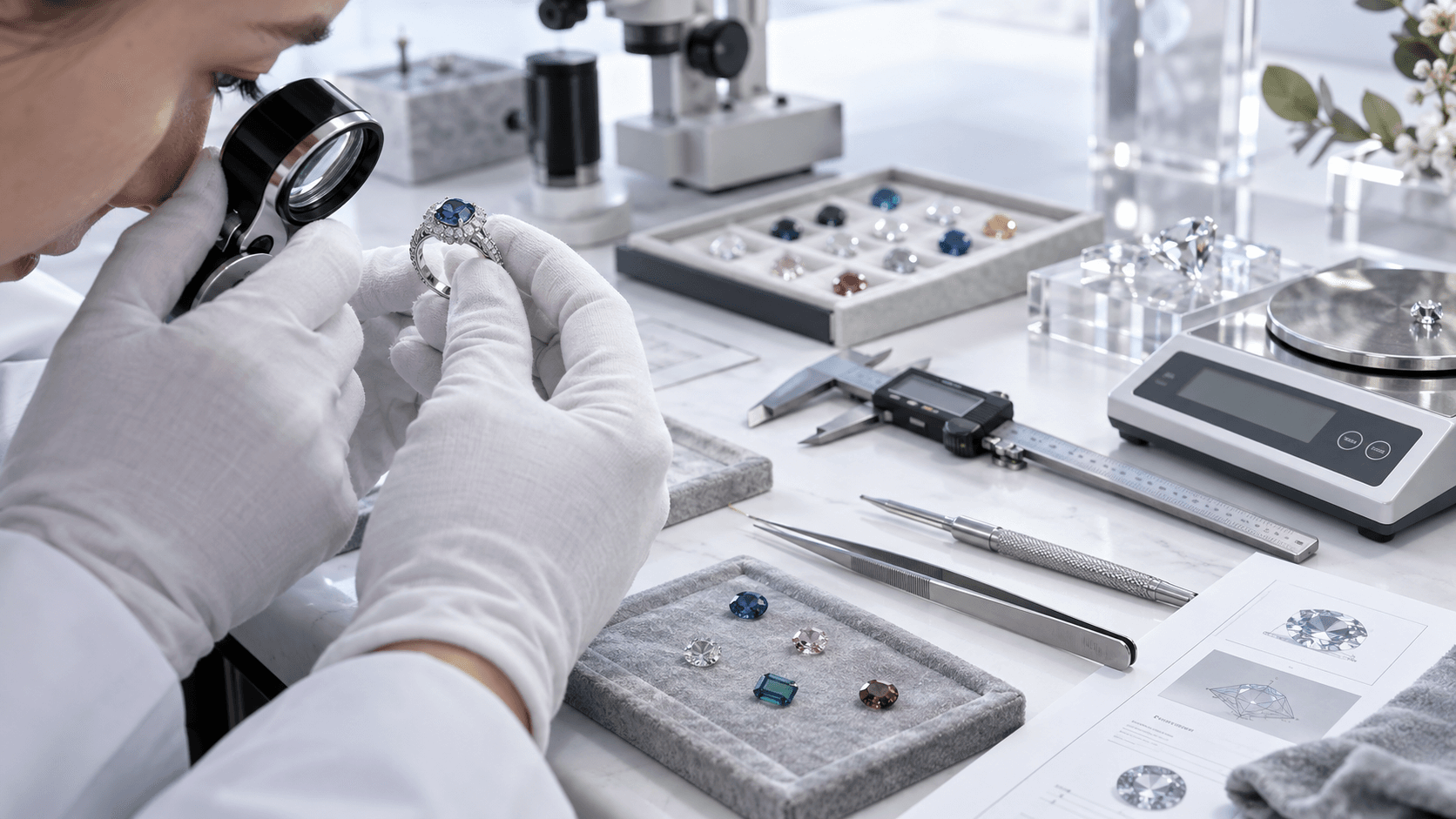
Jewelry quality evidence has four different layers: the approved product specification, in-process and final batch inspection, item-level laboratory identification, and factory or management-system certification. None replaces the others. An IGI or GIA report can describe the exact submitted item or gemstone, but it does not automatically certify every product in a collection, the production batch or the factory. For S925, buyers should align the 925 material claim, marking, test method and destination-market disclosure, then define measurable QC checkpoints before production.
Decision summary
Key takeaways
- Ask what the document proves, which item or batch it covers, who issued it and whether it can be verified.
- A gemstone identification report is not the same as a factory certificate or a bulk inspection report.
- The term sterling silver or 925 should be supported by material and marking controls appropriate to the destination market.
- Use risk-based checkpoints during production instead of depending only on final visual inspection.
- Never extend a historical sample report to unrelated catalog products or new production without matching evidence.
Evidence model
Four layers of jewelry quality evidence—and why they are not interchangeable
Buyers often receive a collection of photos, reports and certificates without a map of what each document proves. The safest approach is to sort evidence by scope. Product specifications define the intended item. Production QC checks whether a batch follows that specification. Laboratory reports describe submitted specimens. Factory or management-system certifications evaluate a defined organization, site or system under their own rules.
A credible supplier should name the evidence layer instead of using the word “certified” as a catch-all. This protects both the buyer's product claims and the manufacturer's credibility.
| Evidence layer | What it can support | What it does not automatically prove |
|---|---|---|
| Approved specification | Intended material, dimensions, stones, finish and packaging | That production actually matched the specification |
| Batch QC / inspection | Measured or observed conformity for the inspected sample or batch | Gemstone identity or factory-wide management systems |
| Laboratory report | Findings for the submitted item or stone | Other products, future batches or full factory capability |
| Factory / system certification | Conformance of the named site or system within its certified scope | The quality or identity of every individual product |
Evidence: Responsible Jewellery Council; CIBJO
Material language
What an S925 or sterling-silver claim needs to answer
For the U.S. market, FTC consumer guidance explains that “silver,” “sterling” and “sterling silver” describe products containing 92.5% pure silver, and that 925 indicates 925 parts per thousand. Destination-market rules, marking obligations and accepted test methods can differ, so buyers should confirm the applicable requirements with qualified local advisers.
A 925 stamp is a product mark, not laboratory proof by itself. A controlled program connects the purchase specification, alloy source or test record, marking placement, plating description and final product listing. Gold-plated S925 should describe both the silver base and the surface application accurately.
- Define the base-metal fineness and permitted alloy variation.
- State whether the product is unplated, rhodium plated, gold plated or vermeil, where applicable.
- Confirm the mark, responsible-party identification and destination-market requirements.
- Agree how composition will be supported: supplier documentation, screening, assay or an independent test plan.
- Keep web listings, packaging and reports consistent with the approved product specification.
Evidence: U.S. Federal Trade Commission; U.S. Federal Trade Commission
Control plan
A risk-based jewelry quality-control checklist
The right checklist follows the design. A plain band, pearl earring, pavé ring and articulated bracelet do not carry the same failure modes. Start with the customer promise, identify how it could fail, then place a check at the stage where the problem is easiest to prevent or correct.
| Checkpoint | What to inspect | Useful record |
|---|---|---|
| Pre-production | Approved CAD, dimensions, material, stones, finish, marks | Signed specification and approved sample |
| Incoming | Metal/components, stone identity labels, sizes and counts | Lot record, supplier document or agreed test |
| Casting / assembly | Porosity, distortion, solder joints, hinge and clasp function | In-process inspection sheet |
| Stone setting | Count, seat, alignment, prongs, movement and security | Setting check with defect images |
| Polishing / plating | Surface, edge condition, color, coverage and protected areas | Approved finish reference and process record |
| Final inspection | Measurements, weight tolerance, function, appearance, marks and count | Batch or sampling inspection report |
| Packing | SKU, labels, protective packing and carton count | Packing list and release record |
Laboratory evidence
What a gemstone identification report proves—and where it stops
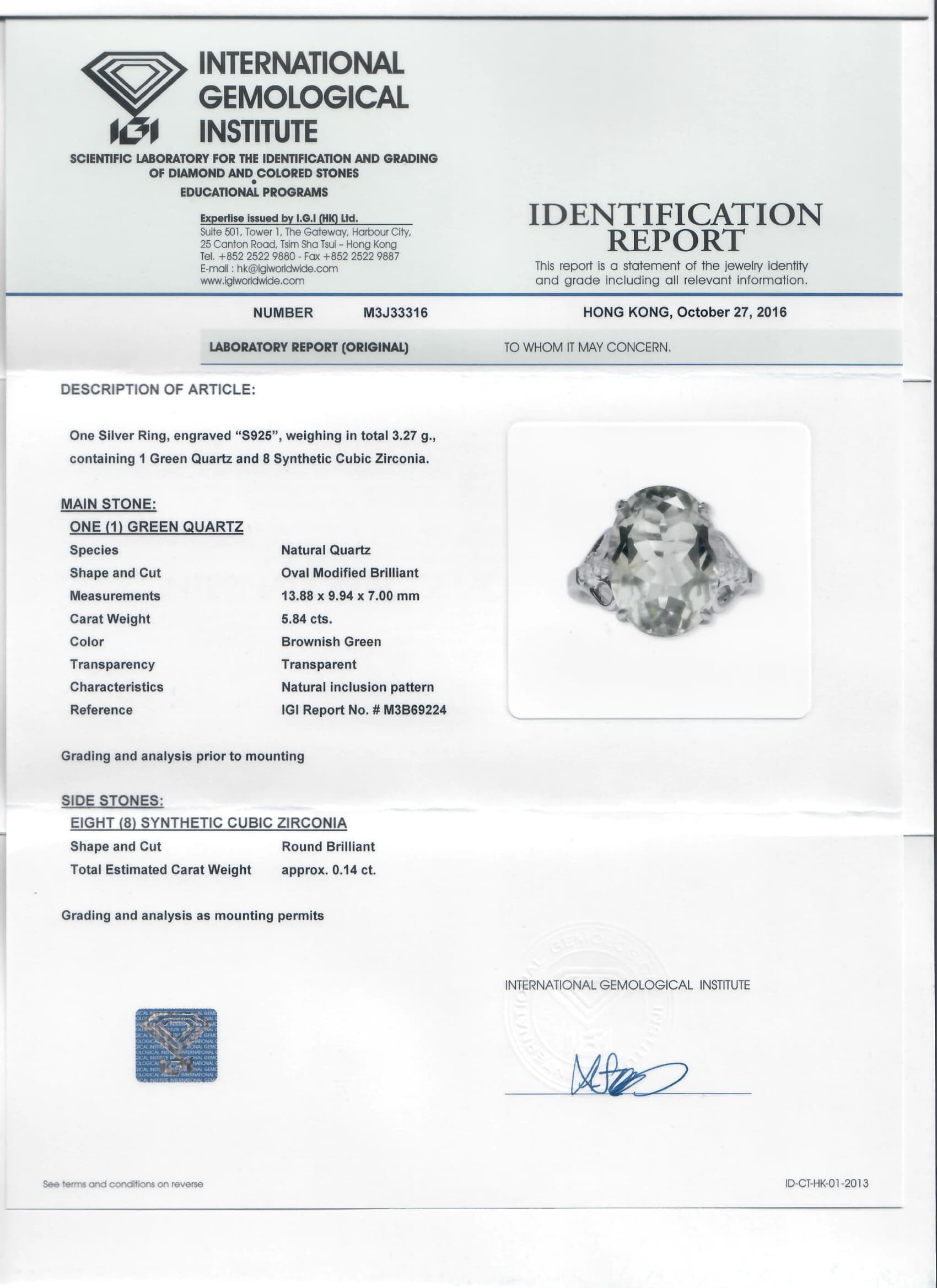
IGI states that its colored-stone reports identify the species and variety of the submitted gemstone, include a photograph, and may state origin when analysis is conclusive; permanent treatments are noted in comments. GIA likewise explains that colored-stone reports can identify the material and disclose detectable treatments, with origin opinions available for eligible services.
The report is therefore powerful item-level evidence. Its limit is equally important: it follows the submitted object described by the report number, measurements, weight, photograph and findings. It does not automatically cover a visually similar item, a later production batch or every product from the supplier.
Evidence: International Gemological Institute; Gemological Institute of America
Verification workflow
How to match a report to the jewelry you are buying
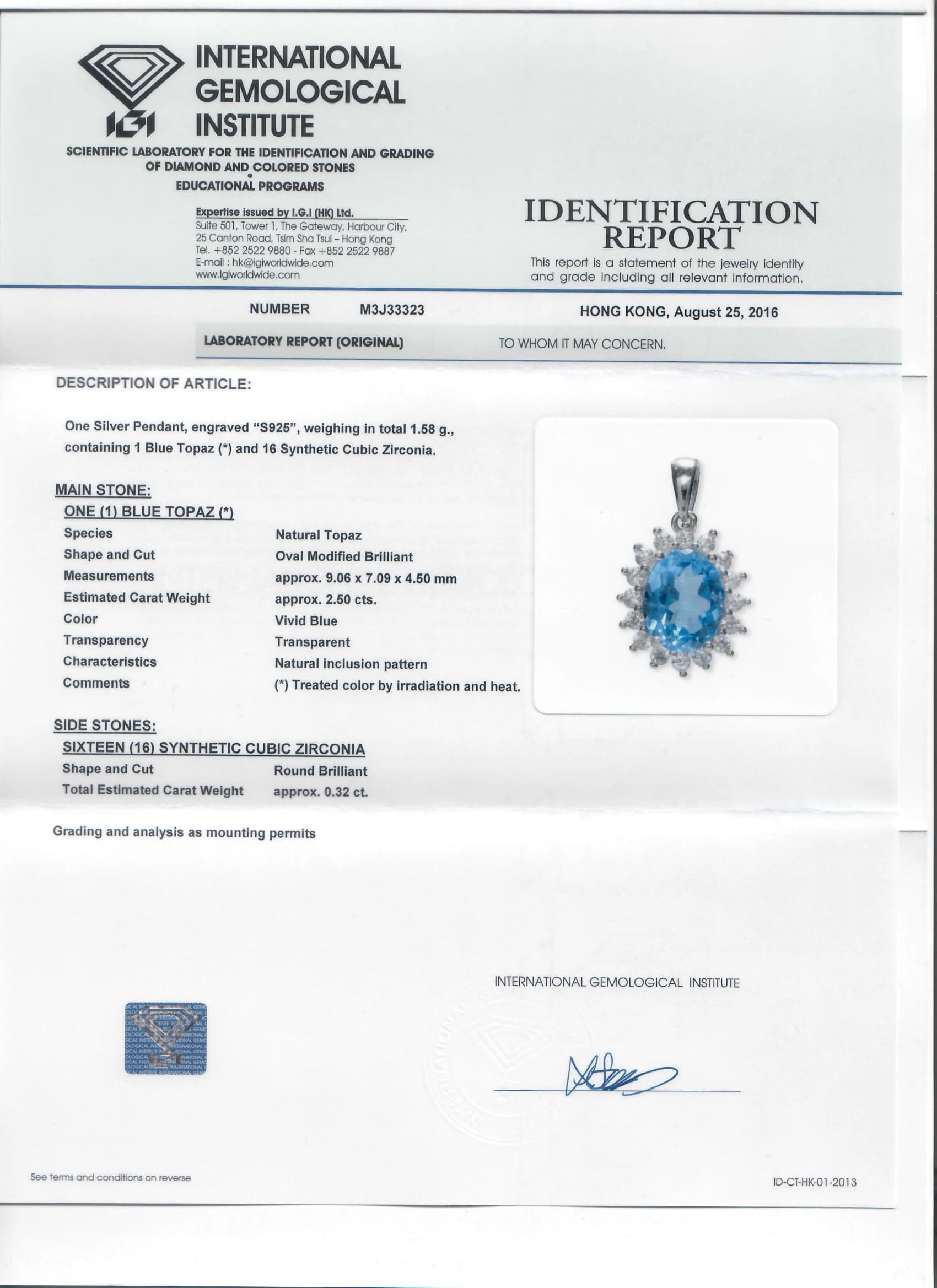
Verification is more than scanning a QR code. First confirm the issuing laboratory and report number through the laboratory's official verification route when available. Then compare the article description, photograph, total weight, stone description, measurements and comments with the physical item or controlled sample record.
1. Verify the issuer
Use the laboratory's official website or contact details, not a link supplied only in a sales message.
2. Match the report number
Check that the displayed number and digital record agree.
3. Match the object
Compare photograph, jewelry type, engraving, weight and measurements.
4. Read comments
Look for treatments, limitations, unidentified side stones or other qualifications.
5. Record the scope
State whether the evidence applies to one item, a master sample, a tested sample from a batch or another defined group.
6. Align the sales claim
Use language no broader than the report findings and keep a copy with the product record.
Evidence: International Gemological Institute; Gemological Institute of America
Risk decision
Does every jewelry product need its own laboratory report?
Not automatically. The evidence plan should reflect product value, claim risk, gemstone type, treatment or origin claims, customer requirements, destination-market obligations and commercial practicality. A report for every item may be appropriate for certain high-value natural gemstones or customer-specific programs; for lower-value repeat production, a documented sampling and batch-control plan may be more proportionate.
The key rule is scope transparency. If one master sample is independently identified, say exactly that. Do not imply that every unit was laboratory tested. If a buyer requires batch-level or item-level reports, define the sampling method, laboratory, cost, turnaround and acceptance criteria before production.
Buyer checklist
What to request in a practical supplier evidence pack
The evidence pack should be proportionate and easy to audit. More pages do not necessarily mean better control. The goal is a traceable path from the approved claim to the relevant item, batch, site or process.
- Legal business identity and operating-site relationship
- Approved product specification and dated master-sample record
- Material, stone, plating and treatment descriptions used in product listings
- Relevant supplier documents or independent reports with visible issuer, date and scope
- In-process and final QC plan with agreed acceptance criteria
- Batch, lot or sample linkage for records supplied with an order
- Destination-market declarations and testing requested by the buyer
- Corrective-action and after-sales route when a physical review is required
Evidence: Responsible Jewellery Council; CIBJO
2026 market context
Why documentation matters when precious-metal prices are under pressure
The Silver Institute expects the silver market to remain in deficit for a sixth consecutive year in 2026 and forecasts lower jewelry demand amid record-high prices. When material prices rise, buyers face stronger incentives to reduce weight, change alloys or finishes, substitute stones and seek lower quotes.
That does not prove that a particular supplier will substitute materials. It does mean change control becomes more valuable: approve any alteration in writing, update the specification and check that product descriptions still match the manufactured item. This is a risk-management inference from the market outlook.
Evidence: The Silver Institute
Current Zalson evidence
How Zalson Jewelry presents sample identification reports
Zalson Jewelry currently publishes ten historical IGI Hong Kong identification reports tied to specific S925 jewelry samples, including natural quartz, peridot, citrine, amethyst, blue topaz, rose quartz, carnelian, calcite, cultured pearl and garnet items. Each website record shows the report number, date, item description and an explicit scope statement.
These reports demonstrate item-level historical sample evidence. They are not described as factory certification, current batch certification or proof for unrelated catalog products. New testing or buyer-required documentation should be agreed for the exact project and destination market.
Before approval
A final evidence scorecard for jewelry buyers
Use this scorecard before approving a sample or purchase order. A “no” does not always stop a project, but it identifies what should be clarified, tested or written into the agreement.
| Question | Pass condition | If unclear |
|---|---|---|
| Is the product specification complete? | Material, dimensions, stones, finish and marks are approved | Pause quotation or sample approval |
| Does each document identify its scope? | Item, sample, batch, site or system is named | Request a written scope statement |
| Can the report be verified? | Issuer and report number can be checked | Contact the issuer or omit the claim |
| Are treatments and substitutions controlled? | Permitted changes and disclosure language are written | Require approval before substitution |
| Does QC target the actual design risks? | Checks cover structure, function, setting and finish | Create a product-specific control plan |
| Do sales claims match evidence? | Listing language is no broader than records | Correct the copy before launch |
Evidence: U.S. Federal Trade Commission
FAQ
Frequently asked questions
Does an IGI report certify an entire jewelry collection?
No. An IGI identification report describes the submitted item or gemstone identified by its report number, photograph and measurements. It does not automatically cover similar products, later batches or the factory.
Does every gemstone jewelry item need an individual report?
Not necessarily. The decision depends on item value, gemstone and treatment claims, customer requirements, destination-market obligations and the agreed sampling plan. The website or sales claim must clearly state the report's actual scope.
Is a 925 stamp enough to prove sterling silver?
A 925 stamp communicates a fineness claim but is not independent laboratory proof by itself. Buyers should connect the mark to the approved material specification, supplier or test evidence and applicable destination-market requirements.
What should jewelry QC check?
A product-specific QC plan can cover dimensions, weight tolerance, structure, soldering, clasp function, stone count and security, surface finish, plating, marks, appearance, quantity and packing.
What is the difference between a laboratory report and factory certification?
A laboratory report records findings for submitted material or an item. Factory certification assesses the named organization, site or management system within a defined standard and scope. Neither automatically replaces product or batch inspection.
How should a brand verify a gemstone report?
Verify the issuer and report number through the laboratory's official channel, then match the article description, photograph, weight, measurements, stone findings and comments to the physical item or approved sample record.
What IGI evidence does Zalson currently publish?
Zalson publishes ten historical IGI Hong Kong identification reports linked to specific S925 jewelry samples. Each page identifies the report number, date, findings and item-only scope.
Expert review
Zalson Jewelry Product Development & Quality Team
Technical editorial team
Reviewed for jewelry development workflow, S925 material language, sampling, production checkpoints and item-level report scope.
Zalson Jewelry is operated by Guangzhou Zalson Jewelry Co., Ltd., established in Guangzhou in 2017. Content is reviewed by the team rather than attributed to an individual spokesperson.
Sources and further reading
- 1U.S. Federal Trade Commission: Buying Platinum, Gold, and Silver Jewelry ↗
- 2U.S. Federal Trade Commission: Jewelry Guides ↗
- 3International Gemological Institute: Colored Stone Reports ↗
- 4Gemological Institute of America: How to Read a GIA Identification and Origin Report ↗
- 5CIBJO: The Blue Books ↗
- 6Responsible Jewellery Council: Code of Practices 2024 ↗
- 7The Silver Institute: 2026 Silver Market Outlook ↗
Start with the brief you have