Component Procurement
Earring Post and Back Specifications: A Buyer’s Checklist
An earring front can match its design reference while the post and back remain poorly defined. A buyer may know the desired appearance but not whether the quoted price includes a matched back, what length is usable after the decorative head, or which version of a replacement finding was fitted to the sample. For private-label brands, these details affect comparability, sample review, purchasing units and the evidence needed for material claims. This guide treats the post, back and finished earring as a component system. It shows what to ask for, how to record dimensions and pairing, how to scope functional checks and how to control substitution. It is a B2B procurement guide, not piercing advice or a promise about comfort, allergy risk or universal holding performance.
TL;DRThe short answer
List the earring front, post, back and all included pieces per selling unit. Define full and usable post length, section, tip and position; identify the actual back type and mating reference. Check insertion, removal, alignment and retention on the proposed sample under an agreed method. Keep material and skin-contact evidence component-specific, control substitutions by version, and confirm pair counts and protective packaging before release.
Direct answer
What should earring post and back specifications include?
Identify the finished earring and each supplied finding, with a matching post/back reference, dimension definitions, material and finish requirements, quantity per single or pair, and approved sample version. Define how the assembled parts will be handled and checked, including any project-specific retention test. Keep evidence tied to the actual contact components and market, then review replacements and packaging before release.
Decision summary
Key takeaways
- Specify the complete front–post–back system, not a back style name alone.
- Full post length and usable length need separate measurement definitions.
- A visual match is not physical compatibility or functional evidence.
- Evidence for a past item, loose finding or alloy name is not a future-batch guarantee.
- Tie each back type and quantity to the approved pair, SKU and packaging unit.
Define the finished earring and every supplied finding
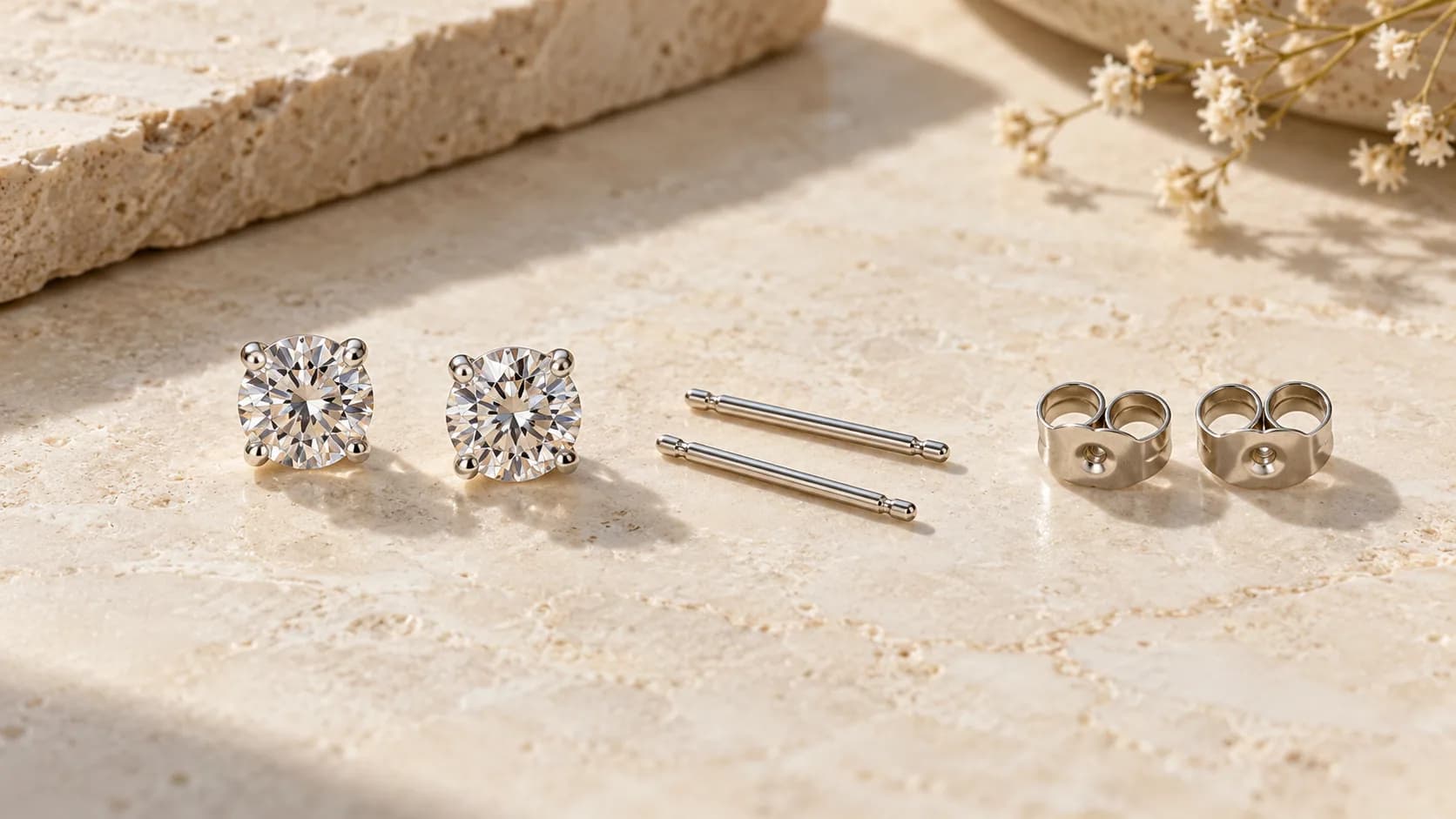
Start with what the buyer will receive: decorative front, one post, one back, any connector or protective element, and the selling and packing unit. A product described as a pair may be priced per pair, per single earring or per component set. Record which interpretation controls the quotation, purchase order and stock record. A spare back is a separate line, not an assumption. If a supplier quotes loose findings while another quotes an assembled finished pair, reconcile assembly, inspection and packaging responsibility before comparing prices.
Assign each proposed post and back a supplier part reference or physical sample ID. Stuller's public post-and-back set listing demonstrates that matching findings can be sold as a defined set with distinct attributes. Its particular dimensions and alloy do not establish a Zalson design specification. Ask whether post attachment, finishing and pair matching are part of the proposed scope, and label unanswered questions. Do not infer a hidden attachment method from a polished front image or present a catalog reference as evidence of a tested interface.
Evidence: Stuller
Define full length, usable length and section separately
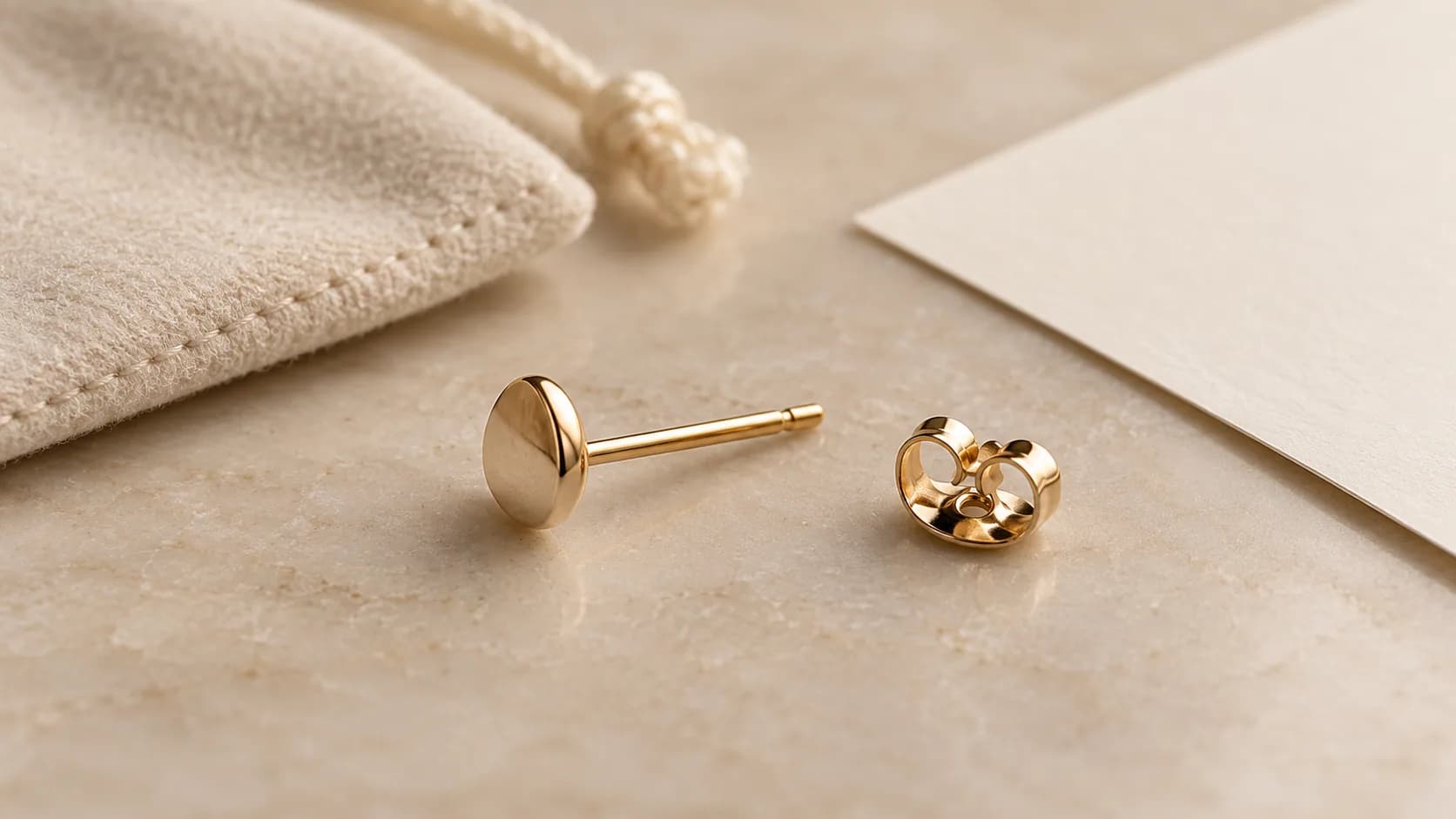
A length stated for a loose post may include a segment concealed in the earring front or unavailable after assembly. Ask where the full-length endpoints are and where the usable length begins in the finished piece. Define the post diameter or cross-section at the relevant point, the tip shape, any groove or thread location and how those features are measured. Keep the unit and drawing orientation on the same record. A single overall measurement cannot substitute for the interface dimensions that make the selected back work.
Identify post position and direction relative to the front, then review the assembled sample from the side as well as the face. An offset post may be intentional; an unexpected angle may affect appearance and handling. Record the target and permissible variation only after the buyer and supplier agree how it will be checked. Tonglin's recent manufacturer guide highlights post geometry, back pairing and balance as separate development questions. Its examples are not universal engineering tolerances or a claim that any listed Zalson earring has those dimensions.
| Feature | Define in the brief | Verify on |
|---|---|---|
| Full post length | Start and end points, units ___ | Loose component or identified view ___ |
| Usable length | Exposed portion after assembly ___ | Finished sample ___ |
| Post section and tip | Section, position, tip and interface ___ | Defined tool / method ___ |
| Back interface | Mating part, hole/lock/thread reference ___ | Actual proposed post–back pair ___ |
Evidence: Tonglin Ring
Treat each back or locking type as its own interface
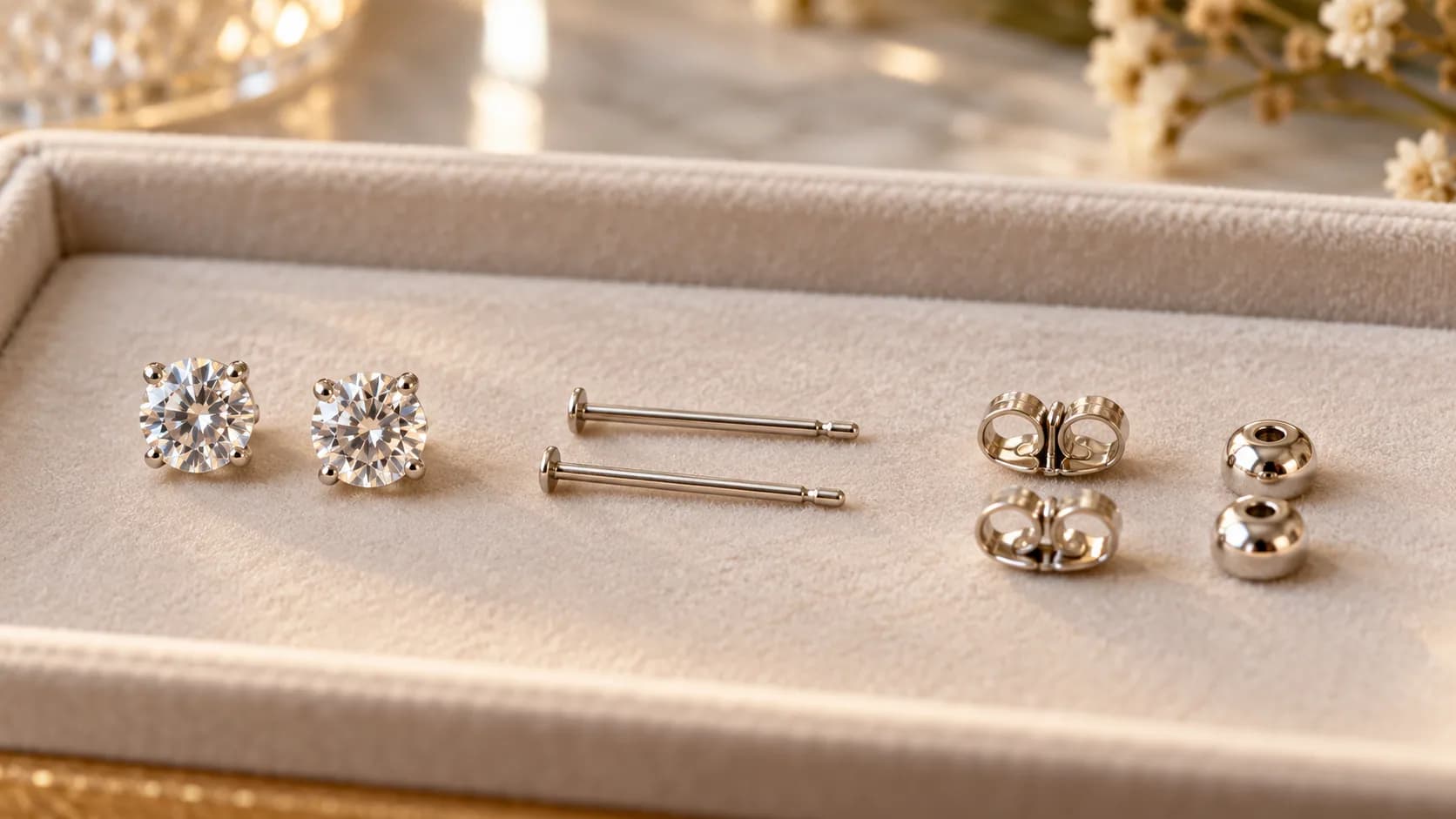
A friction back, threaded closure or other locking design is not interchangeable merely because the outer appearance looks close. Identify the selected mechanism, its matching component reference and the feature on the post that it uses. For a threaded system, obtain the actual thread or mating specification from the component supplier; do not guess a pitch from an image. For a push or friction system, record how the proposed back engages the post. If a design offers multiple backs, evaluate and approve each pairing separately, including any different post it requires.
Review insertion, engagement, removal and access with the earring front in its intended orientation. A back that can be pushed onto a loose post might be hard to handle behind a decorative front, or may not reach the intended position once a protective card is added. Ask for an actual sample pairing before stating compatibility. Sourcify's manufacturing overview correctly treats backs as part of a system, but its generalized comfort and security comparisons are not adopted as promises. The brand's requirement must be expressed as a method and observed result for the identified configuration.
Evidence: Sourcify
Check position, balance and handling on a sample
Ask how the front's shape and mass distribution relate to post position and the intended appearance. Record what the buyer expects to see when the sample is supported in a controlled display or other agreed review context. A small decorative stud and a larger asymmetric face may require different assessment questions. This guide does not suggest attaching a sample to a person, piercing an ear or making a medical fit determination. If human-wear evaluation is considered, the buyer must define a safe, appropriate protocol with qualified people.
For functionality, agree what operations the reviewer will perform, on how many pairs, under what conditions and what constitutes acceptance. A simple insert-and-remove observation is not a measured retaining-force result. If repeated operation or quantified retention matters, request a documented test method, fixture, conditions, sample coverage and criterion before results are generated. Do not import a force or cycle number from unrelated findings. Record both the paired component IDs and the outcome, since the same back on a different post is a different test question.
Keep alloy, finish, contact and market evidence in scope
Specify the intended material and surface treatment for the front, post and back separately where they differ. A familiar alloy name, color or plating description does not demonstrate the composition of every component, the result of a nickel-release test or a wear claim. Link the approved specification and any supplier or laboratory evidence to the named component, sample, batch and test scope. If a report covers only a historical sample, say so; do not extend it to all future earrings or a substituted finding. The FTC Jewelry Guides address accurate marketing of material and other jewelry attributes for the United States, but they do not verify this product.
For an EU destination or other regulated market, ask a qualified specialist or laboratory to identify currently applicable rules, exposure conditions, component coverage and appropriate methods before placing a compliance statement on the listing. Official EU legal text may have newer consolidations or market-specific interpretation. This article does not determine a legal threshold or announce a pass result. Do not use 'hypoallergenic,' 'nickel-free,' 'safe for all' or children's-safety language without appropriately scoped support and review. Keep the skin-contact and marketing decision separate from an attractive sample photograph.
Evidence: U.S. Federal Trade Commission
Reconcile single, pair, back and spare quantities
Write whether the commercial unit is one earring, one matched pair, a front-and-post assembly, a post/back set or separately supplied backs. State the number of backs in each selling unit and whether spares are planned, separately priced or absent. On a multi-SKU order, link each finish or mechanism to its own pair count. A total carton count cannot reveal that the correct backs are paired with the correct fronts. The purchase order and receiving checklist should use the same unit language as the technical component schedule.
Review packing with the actual proposed hardware. A card hole, backing pouch, insert or transport restraint should be checked for clearance, abrasion risk, sharp interfaces and missing small parts according to the project pack-out. Do not assume a protective performance level from a diagram or an empty box. If the front, post or back changes, determine whether the card and inner pack need another fit review. The packaging guide handles artwork and broader retail requirements; this article focuses on protecting and identifying the particular component combination.
Prevent silent substitutions and mixed versions
A visually similar back can have a different interface, material, finish or packing footprint. When a component is unavailable, ask for the proposed replacement's reference, comparison and expected impact on handling, evidence and cost. Mark the existing approved pairing and the proposed pairing separately. Do not allow a mixed back/post batch to pass under a single generic style description unless its scope, identification and verification have been specifically accepted. The same applies when a new post is proposed while older backs remain in inventory.
Retain a controlled sample or unambiguous component record for each approved version. Record who requested, evaluated and authorized a replacement; issue the revised bill of materials, sample instruction, inspection method and packaging line together. An approval message for a drawing does not automatically approve a physical pair, and silence is not a substitute for a decision. Use the design-change guide to identify affected quantities and the lead-time guide if resampling or supplier work changes the schedule. Reorders should reference the specific component version, not just the marketing name.
Use a blank matched-component worksheet
The blank worksheet below is a buyer prompt, not a verified dimension or test report. Begin with a SKU and selling unit; enter a separate reference for each front, post and back. Add dimensions only when their measurement locations and units are clear. Identify which values are a buyer target and which are awaiting supplier proposal. If the intended market or contact condition is undecided, assign that question to the right technical or compliance owner instead of relying on a historical material claim from another style.
Keep function and evidence together with the parts they cover. The reviewer should be able to trace which sample pairing was operated, whether a quantified check was agreed, what its method was and which pack-out was examined. Use a current sample photo as a visual cross-reference but not as dimensional or compositional proof. Return incomplete fields as numbered questions before quotation or sample sign-off. This makes a quote from loose findings comparable with a finished-pair offer and gives production and incoming inspection the same approved baseline.
| Record | Buyer input | Supplier proposal / decision |
|---|---|---|
| Selling unit | Single / matched pair ___; SKU ___ | Included post/back/spares ___ |
| Front and post | References; position; full/usable length ___ | Section, tip, joint and drawing ___ |
| Matching back | Mechanism and reference ___ | Mating interface / version ___ |
| Material and finish | Each component and contact condition ___ | Evidence scope / reviewer ___ |
| Function | Operation or test question ___ | Method, coverage and criterion ___ |
| Packing and release | Card, pouch, unit and variant ___ | Sample ID, approval and revision ___ |
Compare purchase situations without assuming universal fit
A finished stud pair needs a review of the assembled system and pack-out. A separately purchased back requires a verified mating post. A threaded design needs its own actual interface reference rather than a common family name. A back substitution reopens compatibility, evidence and quantity questions. None of these rows determines a safe post length or preferred back for every wearer. They identify the next evidence the brand should request before a commercial decision is made.
Recent peer manufacturer articles from Tonglin and OWGOW discuss earring specifications and sample records, but their quoted timelines, MOQs, test suggestions and product claims are supplier-specific. This guide instead asks for a decision that fits the identified Zalson project. The real catalog examples below are unchanged visual references for conversations about form; they are not proof of hidden post construction, material tests or compatible replacement backs. Request the current product-specific drawing and physical sample when an interface matters to the purchase.
| Scenario | Scope to confirm | Pairing evidence |
|---|---|---|
| Finished stud pair | Front, posts, backs, pack per pair | Approved assembled sample |
| Loose replacement backs | Matching post ID, unit and finish | Actual post/back trial |
| Threaded system | Mating component and thread reference | Specific mechanism review |
| Substitute finding | Old/new identity and affected quantity | Reapproved pairing and pack |
Evidence: OWGOW
Release one matched system and keep its evidence attached
Provide the supplier with the earring reference, target market, expected selling unit, chosen or proposed back type and unresolved dimensions. Ask for a matched component schedule and a physical sample that represents the intended finished pair. Compare the proposal against the worksheet, then agree observation or formal test methods before declaring pass or failure. Record which back was used and how many examples were reviewed. A collection may require more than one pairing review if it changes hardware, finish, front mass or packing route.
When the buyer accepts a version, release the SKU, component references, sample ID, functional check and packaging record together. If any piece is replaced, reopen the affected checks rather than assuming catalog equivalence. Use the enquiry route to ask for a proposal specific to your design and quantities. No claim of universal retention, allergy prevention, all-age safety or long-term durability follows from this editorial checklist. Its purpose is to make the proposed product and the decision evidence visible to everyone involved in sourcing and repeat production.
- List the front, post, back and included spares per commercial unit.
- Define usable and full post dimensions and the actual mating reference.
- Check alignment, handling and balance on the intended sample.
- Agree any retention or repeated-operation method and criterion before testing.
- Confirm market-specific material evidence for actual contact components.
- Approve pairing, unit counts, packaging and version together.
1. Scope
Name the selling unit, components and SKU.
2. Define
Record post geometry and the matching back interface.
3. Sample
Review the assembled configuration and handling.
4. Verify
Apply agreed checks and scope-correct evidence.
5. Release
Approve component IDs, quantities and packing.
6. Control
Reassess substitutions and maintain the revision record.
Catalog references
Related products
These real catalog products are visual and construction references for specification discussions. Their published product data is unchanged; they are not presented as the exact product used in this guide.
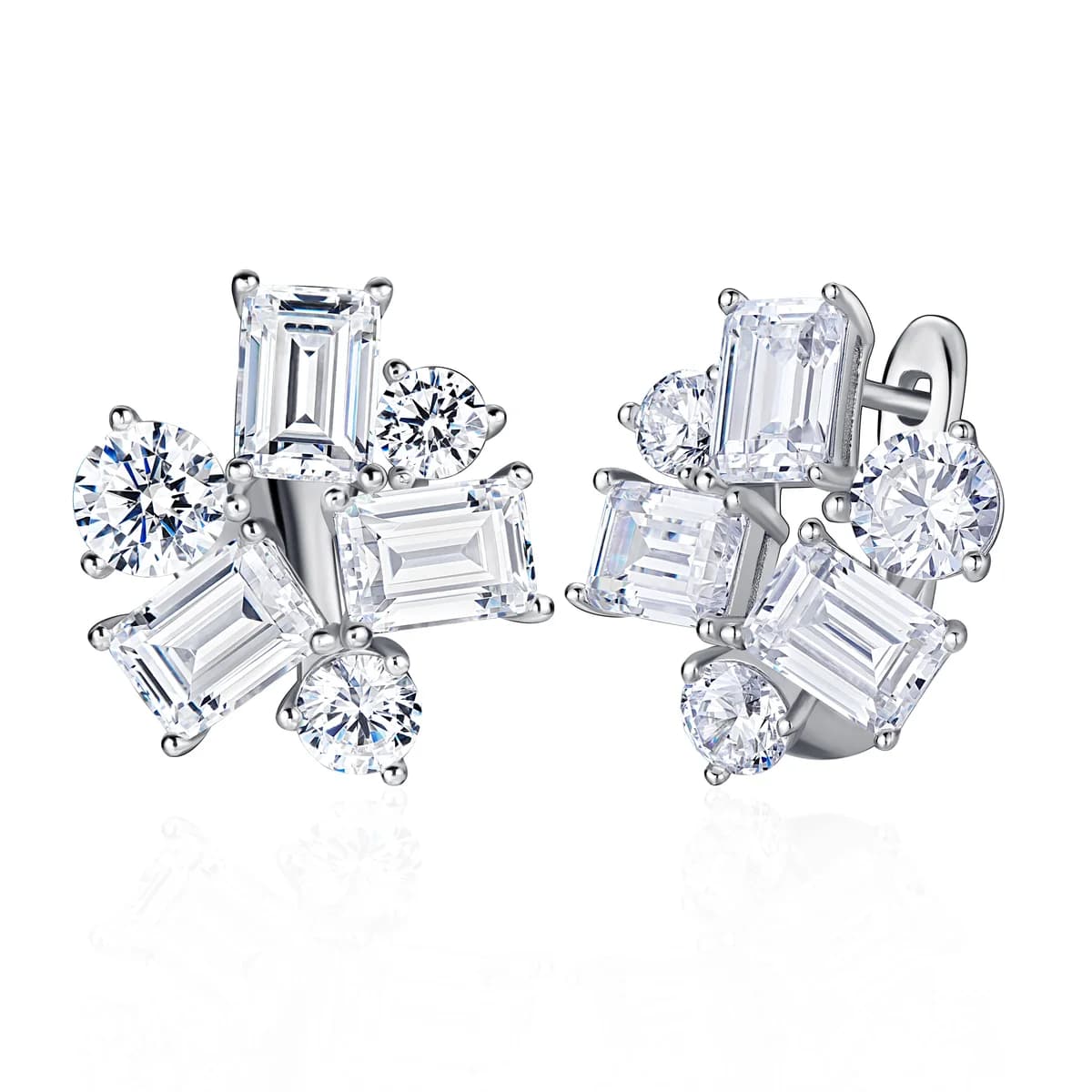
Asymmetrical Starburst Baguette Round Diamond Studs
S925 Sterling Silver, Rhodium Plated, Emerald Cut Baguette CZ, Round Brilliant CZ
View product →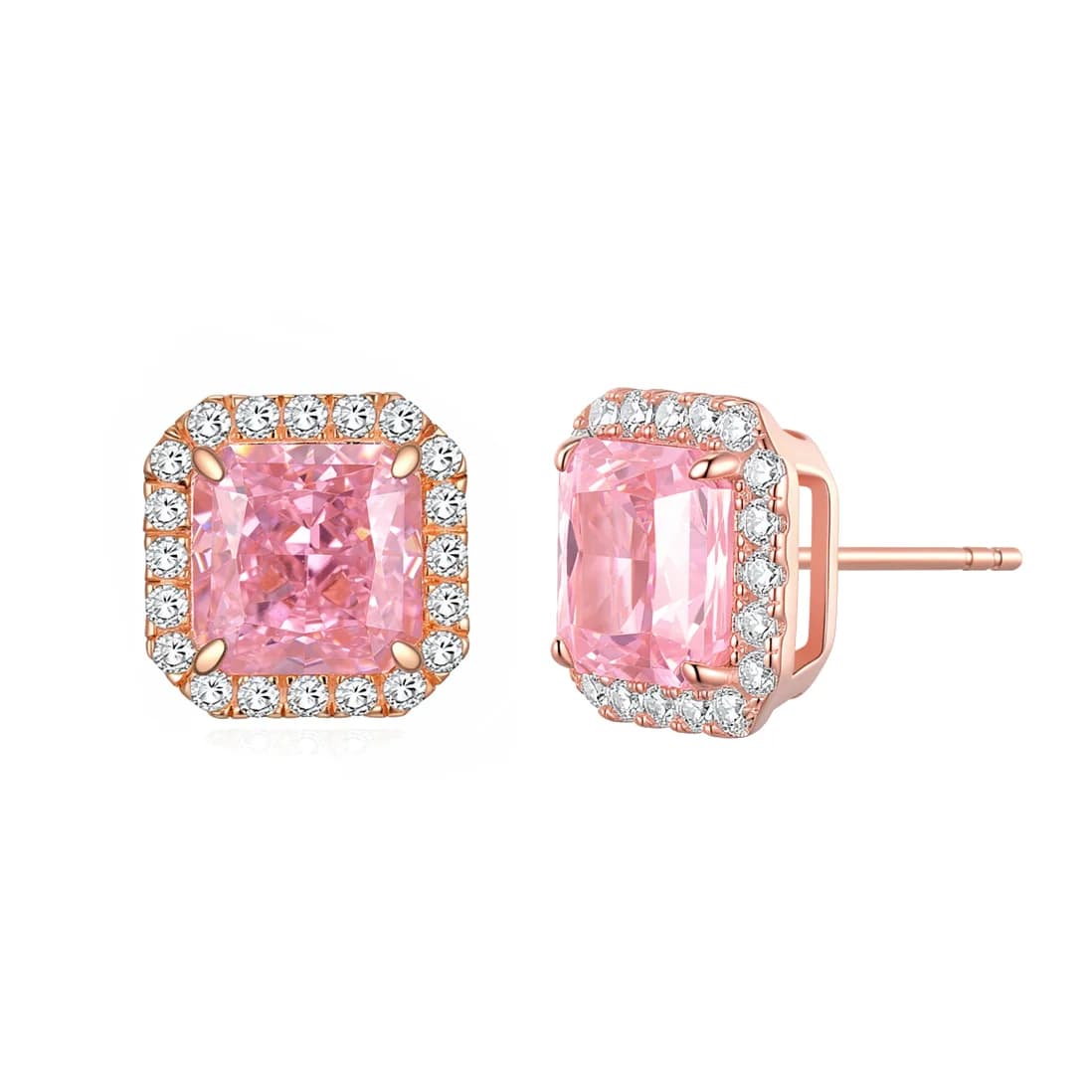
Cushion Sakura Pink Halo Rose Gold 4-Prong Studs
S925 Sterling Silver, Full Thick 18K Rose Gold Plating, Sakura Pink CZ, Round Pave CZ Halo
View product →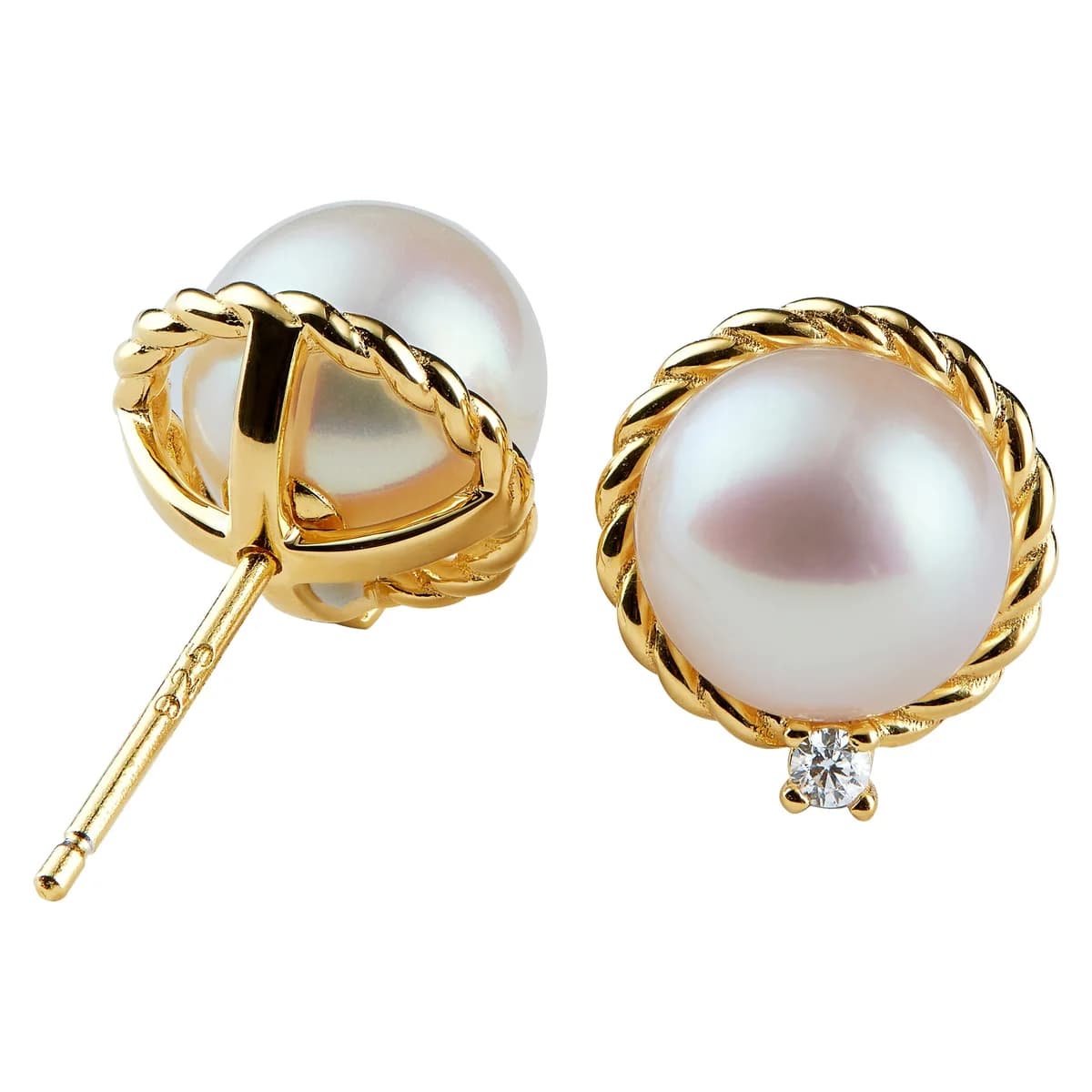
Freshwater Pearl Rope Halo Gold-Plated Stud Earrings
S925 sterling silver; natural freshwater pearls and zirconia accents; polished, gold plated
View product →FAQ
Frequently asked questions
Will any earring back fit a post of similar appearance?
No compatibility should be inferred from appearance. Identify the post and back references, matching interface and actual approved sample. A change in mechanism, section or component version calls for a new pairing review.
What is the difference between post length and usable post length?
Full length uses the specified endpoints of the component. Usable length describes the exposed section available in the finished assembly under an agreed measurement method. Define both endpoints and verify on the actual proposed sample.
Can a supplier report on one earring prove every future pair is compliant?
No. Read the report's item, component, batch, method and market scope. A historical result should not be generalized to different findings, finishes or later production without appropriate current evidence and qualified review.
How should back retention be checked?
Agree the actual post/back pairing, operation or measured-test method, conditions, sample coverage and acceptance criterion before testing. A one-time handling observation is not a universal holding-force or durability guarantee.
Should a quotation count earrings singly or in pairs?
State the purchasing and selling unit explicitly. Record the number of fronts, posts, backs and any spares per unit, then align the quote, purchase order, sample, inventory and packaging with that same basis.
Expert review
Zalson Jewelry Product Development & Quality Team
Technical editorial team
Buyer-side specification and evidence-scope editorial review. This is not a product measurement, laboratory result, medical advice, legal determination or fit guarantee.
Zalson Jewelry is operated by Guangzhou Zalson Jewelry Co., Ltd., established in Guangzhou in 2017. Content is reviewed by the team rather than attributed to an individual spokesperson.
Sources and further reading
- 1Stuller: Friction Earring Post & Back Set — component listing as a scope example, not a Zalson specification ↗
- 2Tonglin Ring: Custom Earring Manufacturing Specifications — current manufacturer perspective ↗
- 3Sourcify: How to Manufacture Stud Earrings — peer system-level perspective; performance generalizations not adopted ↗
- 4OWGOW: Custom Stud Earrings Sourcing Guide — peer procurement perspective, not Zalson terms ↗
- 5U.S. Federal Trade Commission: FTC Jewelry Guides revisions — U.S. marketing-claim scope ↗
Specifying a stud pair?