Component Procurement
Jewelry Chain and Clasp Specifications: A Buyer’s Checklist
Jewelry chain specifications need to describe an assembled product, not just a chain style and a length. A necklace can match a reference photograph yet use a different wire section, an incompatible end fitting or an adjustment range that the buyer did not intend. For independent brands and sourcing teams, the practical task is to turn those decisions into a component record the supplier can review. This guide separates appearance, dimensions, interfaces, material evidence and functional checks. It includes a blank worksheet and purchasing scenarios for discussing finished chains, loose components and pendant combinations. Use it to define the proposed sample and open questions before accepting a quotation or releasing an unchanged reference into production.
TL;DRThe short answer
Record chain style and sample identity, then define width, wire or section dimensions, chain-only length, finished length and adjustment range separately. Specify the clasp, end fittings, connector dimensions and intended assembly. Confirm material and finish evidence; validate the actual chain, bail and clasp combination on a sample. Agree any functional test method and acceptance criteria before review. Preserve the approved component revision and assess substitutions explicitly.
Direct answer
What should jewelry chain specifications include?
Include an identified chain reference, defined width and section measurements, chain-only and finished lengths, adjustment range, material and finish requirements, clasp and connector details, assembly scope and purchasing units. Check the actual chain-end, bail and clasp interfaces on a sample. Agree project-specific functional checks and evidence, then retain the approved revision so later component substitutions cannot silently change the product.
Decision summary
Key takeaways
- A chain style name does not specify its dimensions, construction or supplied fittings.
- Width, wire section, link opening and finished length are different fields.
- Check the actual assembled interfaces rather than a nominal chain width alone.
- A visual review is not a material analysis or a durability test.
- Retain approved component references and review replacements before use.
Define what the chain-based product actually includes
Start with a component schedule for the selling unit: chain body, clasp, end rings or tags, extender, connectors, pendant attachment and any other supplied parts. Distinguish a finished necklace or bracelet from chain sold by length and from separately purchased findings. State whether cutting, assembly and finishing are included. Otherwise two quotations can describe similar-looking goods while assigning the buyer quite different work and quantities.
Connect each part to a supplier reference, buyer reference or proposed sample, with a status such as confirmed or awaiting proposal. A drawing may show a connector without deciding its material or assembly method; leave that field open for review rather than assuming the rendering answers it. Stuller's chain guide treats style, metal, length, clasp and pendant as separate choices. For procurement, carry those choices into one reviewable bill of components rather than copying a retail preference into an engineering requirement.
Evidence: Stuller
Separate chain appearance from width, section and link dimensions
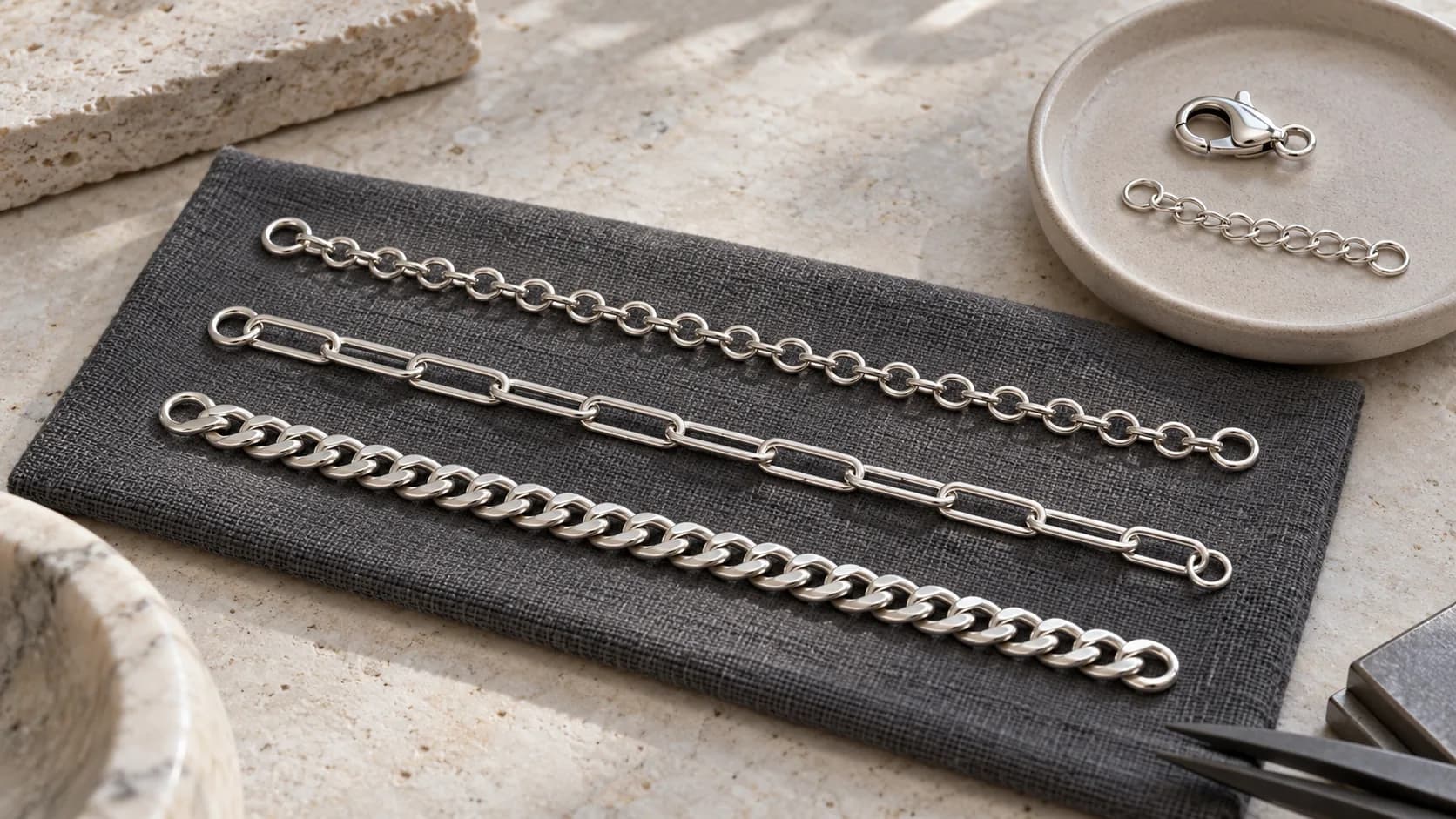
Use the chain style name as an index to an image or physical reference, not as the entire specification. Agree the visible link pattern, proportions and surface character that matter to the design. Then label the measurements independently: overall chain width, link length, usable opening and wire or formed-section dimensions where relevant. Rio Grande's anatomy guide distinguishes these fields and the end-ring dimension. Its catalog conventions are useful examples, not proof that every supplier uses the same naming system.
Ask how each dimension is measured: across which feature, in which orientation, using which unit and at what condition of the sample. Flattened or shaped sections may need more than one dimension rather than a single diameter. If a supplier uses a gauge number, request the underlying dimensional value and system instead of guessing a conversion. Agree a permissible range for the actual critical feature with the supplier; do not import another chain's tolerance or a general internet minimum.
| Field | Meaning to agree | Do not substitute |
|---|---|---|
| Chain width | External width at the identified link / orientation | Wire diameter or the pendant opening |
| Wire or section | Diameter or defined cross-section dimensions | A gauge number without its system |
| Link opening | Usable internal space and measurement direction | Outside link length |
| End fitting | Dimensions of the supplied ring, tag or connector | Nominal width of the chain body |
Evidence: Rio Grande
Define chain-only length, finished length and the adjustment range
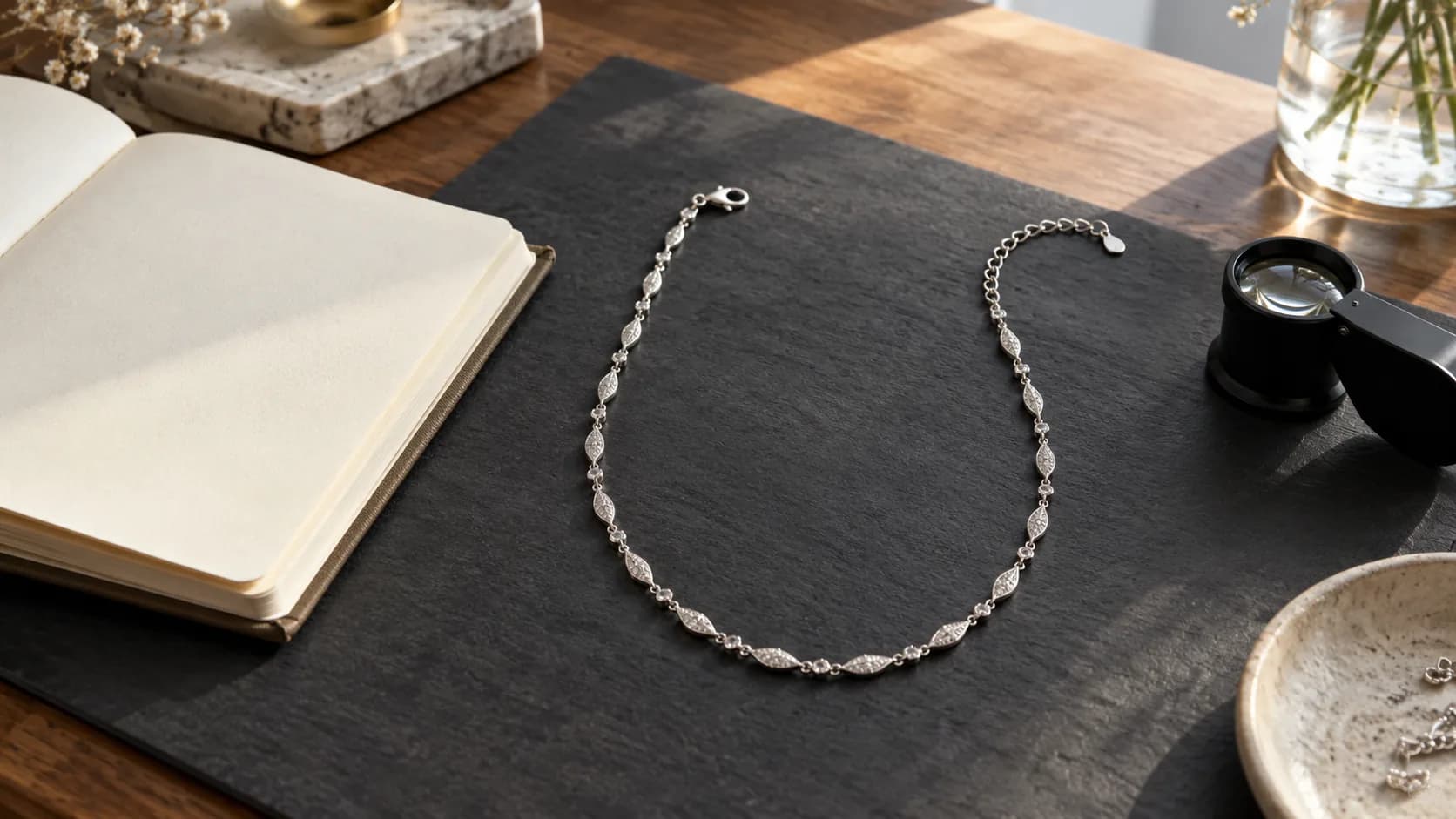
Write the endpoints used for every length. A cut chain length is not automatically the finished end-to-end product length once a clasp, connectors and extender are added. Explain whether the chain is laid straight, relaxed or measured in another agreed state, and what is included in the stated value. A photograph of a U-shaped necklace on a desk cannot establish a length, and a nominal commercial size should not conceal the accepted finished measurement.
For an adjustable design, define the shortest and longest intended fastening positions, the usable extender section and the terminal detail. Ask the sample reviewer to check those positions rather than measuring only the longest loose chain. Clarify whether a decorative drop is part of the wearable circumference or a separate feature. Record the agreed range and method in the same revision as the clasp selection, because changing a closure or connector can alter the completed geometry even when the chain body stays unchanged.
Specify the clasp and each connection as an interface
Identify the closure type, component reference, outer dimensions, operating clearance and the mating ring or fitting. Review how the user opens, locates and closes it in the intended product arrangement. Check whether decorative parts obstruct handling or twist the closure into an awkward position. A supplier's label for a clasp size may describe an outer body dimension rather than the opening you need, so ask for a labeled view or the proposed physical component.
For jump rings and connectors, distinguish inside and outside dimensions, wire or section size, shape and orientation. Ask the supplier to propose and document how each connection is assembled and secured, including which interfaces remain openable by design. VFOOK's spring-clasp listing illustrates that a component can have separate body and wire dimensions; its numerical options and performance claims are not Zalson specifications. Do not prescribe one joining method for every product or infer a hidden weld from a polished photograph.
Evidence: VFOOK
Check the chain end, bail and moving parts together
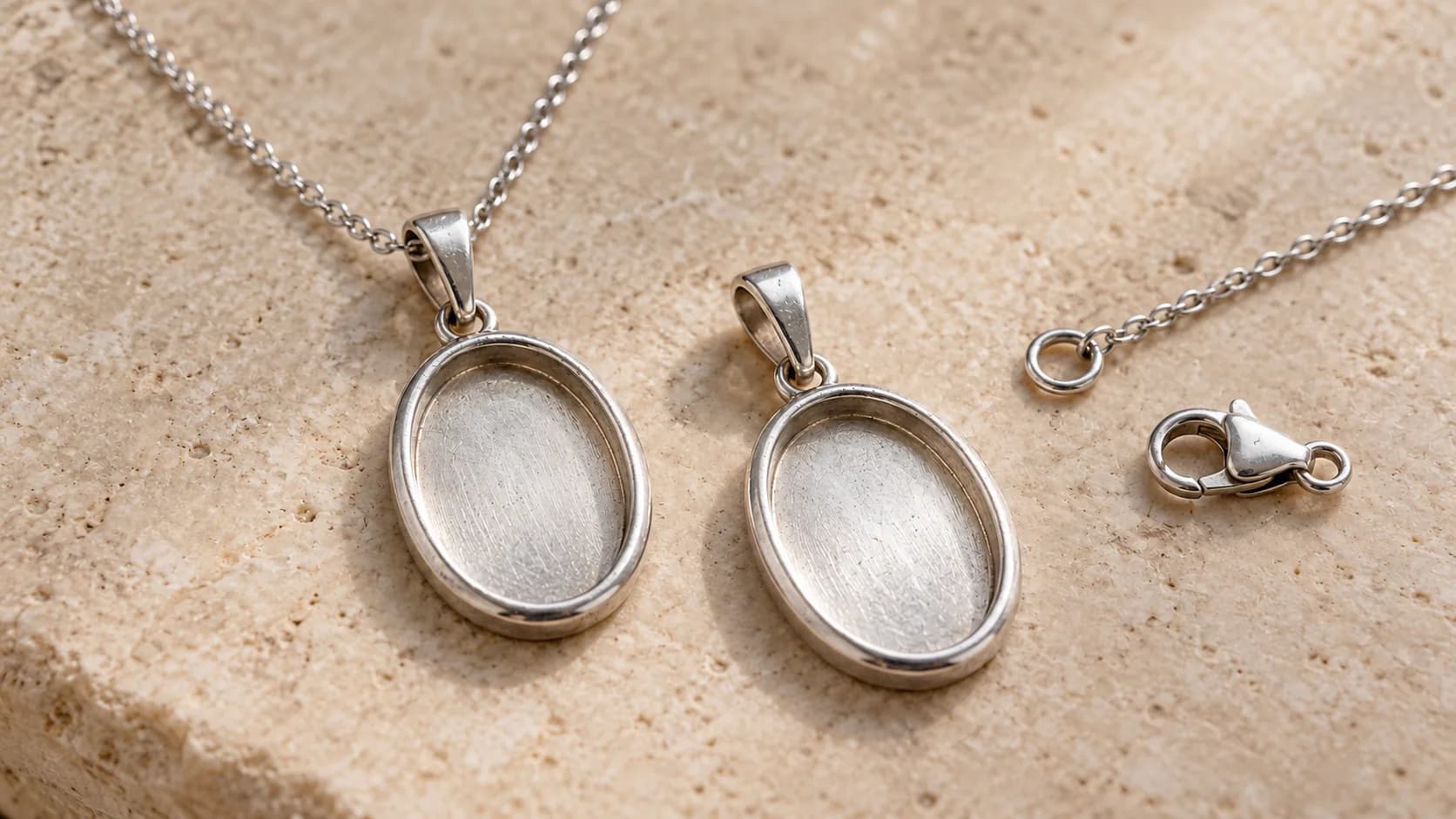
For a removable pendant, establish what must pass through the bail: the chain body, its end ring, a tag or another fitting. The largest obstruction along that route may not be the chain width. Review the actual proposed combination, including its orientation, rather than comparing two nominal dimensions from unrelated catalogs. If the design requires assembly before closure, record that route and whether later removal is intended; do not force an attachment through the bail to make the sample appear compatible.
Inspect the assembled sample for intended movement, pendant orientation, closure access and interference between parts. Note which checks require physical handling and which can be supported by drawings or photographs. An interface that passes through once still needs the separately agreed review for wearability and performance. Use the CAD approval guide for dimensioned views and the sample approval guide for the decision record. The result should identify the accepted combination, not claim that a chain style fits every pendant or wearer.
Keep material, finish and skin-contact evidence separate
Write the intended material and finish for the chain, clasp, connector and extender separately where they differ. Link color and texture to an identified reference and state which surfaces matter to the appearance decision. A silver-tone image, stamp or common color name does not establish alloy composition, coating structure or release-test results. The plating specification guide handles the finish brief in detail; the component schedule should point to its current version rather than invent another finish description.
Identify the destination market and intended contact conditions for specialist assessment. For EU-bound goods, ECHA's nickel entry provides a relevant starting point for checking applicable skin-contact restrictions and methods; it is not a result for these components. SGS lists testing and inspection as distinct jewelry services. Ask the qualified reviewer which components and finished configuration the evidence must cover. Neither an attractive sample nor a material name justifies an unsupported hypoallergenic, universally skin-safe or compliance claim.
Evidence: European Chemicals Agency; SGS Germany
Agree functional checks before evaluating the sample
Convert intended use into questions a reviewer can answer: does the selected closure operate in the assembled position, does the extender accept the intended fastening, and do the moving parts interfere? Distinguish an observed handling check from a measured strength, repeated-operation or other laboratory test. Record the feature, method, setup, condition, coverage, criterion and person responsible. Ask for a proposed method where the buyer does not have one, instead of setting an arbitrary load or cycle count after seeing the sample.
If a standard is proposed, confirm its title, edition and applicability with the qualified provider before adopting it. No universal breaking load, lifetime or mechanical safety threshold is supplied in this guide. A result on a loose clasp may not answer the same question as a finished assembly, and a single successful operation does not establish long-term durability. Link failed or unresolved checks to the quality control plan, hold the affected decision and record the next verification rather than replacing the criterion with a subjective impression.
Use a blank component specification worksheet
Create one line per component or interface that needs its own approval. Include the source reference, dimensional definition, material and finish, quantity per selling unit and approval status. The worksheet below is a buyer preparation tool, not a completed specification or test record. Blank fields should become supplier questions with an owner; an empty requirement should not silently be filled from a product photo or a similar chain purchased previously.
Distinguish pieces, pairs, lengths and assembled units in purchasing. Confirm how many closures, rings and extender sections are supplied per finished piece, whether spare parts are included and which component quantities or MOQ bases need separate discussion. Avoid applying the finished jewelry MOQ automatically to an independently sourced finding. Keep the quote's inclusions and exclusions attached to the component revision so the assembler receives the same scope that the buyer compared and approved.
| Component / reference | Dimensions and definition | Material / finish evidence | Unit / quantity / approval |
|---|---|---|---|
| Chain body ___ | Style, width, section, openings ___ | Specification / reference ___ | Length or finished piece ___ |
| Clasp ___ | Body, opening, operating space ___ | Component scope ___ | Pieces per product ___ |
| End rings / connectors ___ | ID, OD, section, shape ___ | Joining / finish confirmation ___ | Assembly locations ___ |
| Extender / terminal ___ | Usable range and endpoints ___ | Matching reference ___ | Sections per product ___ |
| Pendant interface ___ | Pass-through route / orientation ___ | Actual pairing and sample ___ | Approval / open action ___ |
| Functional checks ___ | Method / condition / criterion ___ | Evidence and coverage ___ | Owner / decision ___ |
Adjust the review to the purchasing scenario
A finished-chain offer, a loose-component order and a pendant pairing ask different questions. In the first, confirm the completed assembly and length; in the second, assign cutting, fitting and finishing responsibilities; in the third, verify the complete interface. Do not compare a finished necklace price with a chain-by-length price without reconciling that work. The table gives review priorities, not a preferred construction or a supplier capability promise.
Retain the approved sample and component references when the first order is released. If a finding becomes unavailable, identify the proposed replacement and recheck its effect on length, appearance, handling, finish evidence and packing fit. Route the decision through the design change request guide rather than accepting a visually similar substitution in a message thread. For later orders, use the reorder checklist to establish which component revision is still current and which earlier exceptions were temporary.
| Scenario | Confirm before quotation | Verify on the proposed sample |
|---|---|---|
| Finished chain jewelry | Included fittings and finished length definition | Closure, range and assembled appearance |
| Loose chain and findings | Units, quantities, assembly and finishing owner | Interfaces after the agreed assembly |
| Chain plus removable pendant | Largest end fitting and removal route | Actual pass-through and movement |
| Replacement component | Affected revision, stock and approvals | Changed interfaces and dependent evidence |
Turn the component brief into a controlled sample decision
For a Zalson enquiry, send the product direction, chain and closure references, intended material and finish, known measurements, quantity and destination, plus unresolved interface questions. Ask which parts are proposed and what the sample will demonstrate. The catalog references below are unchanged product references for discussion, not evidence of particular hidden joints, dimensions, strength or component availability. The tech pack guide connects this component schedule to the full product brief.
Before authorizing the next stage, reconcile the sample, component list, drawing and quoted scope. Record accepted features, remaining evidence and the exact action released. If a change affects packaging or the launch schedule, review those dependencies rather than treating the closure as an isolated part. A compact record with defined measurements and named open questions is more useful than a detailed-looking sheet assembled from unverified catalog assumptions.
- Confirm each component reference, unit and included assembly operation.
- Resolve measurement endpoints and required interface clearances.
- Review the actual pairing, closure operation and adjustment range.
- Close material, finish and functional-evidence questions within their scope.
- Release the identified sample revision and route later substitutions for assessment.
1. List the parts
Define the finished product and everything supplied with it.
2. Define dimensions
Separate chain, section, fitting and length measurements.
3. Review interfaces
Confirm the proposed closure, connectors and pendant route.
4. Agree evidence
Name handling checks, specialist review and any test criteria.
5. Approve the sample
Link the decision to the component and drawing revisions.
6. Control replacements
Assess changed components before releasing the next stage.
Catalog references
Related products
These real catalog products are visual and construction references for specification discussions. Their published product data is unchanged; they are not presented as the exact product used in this guide.
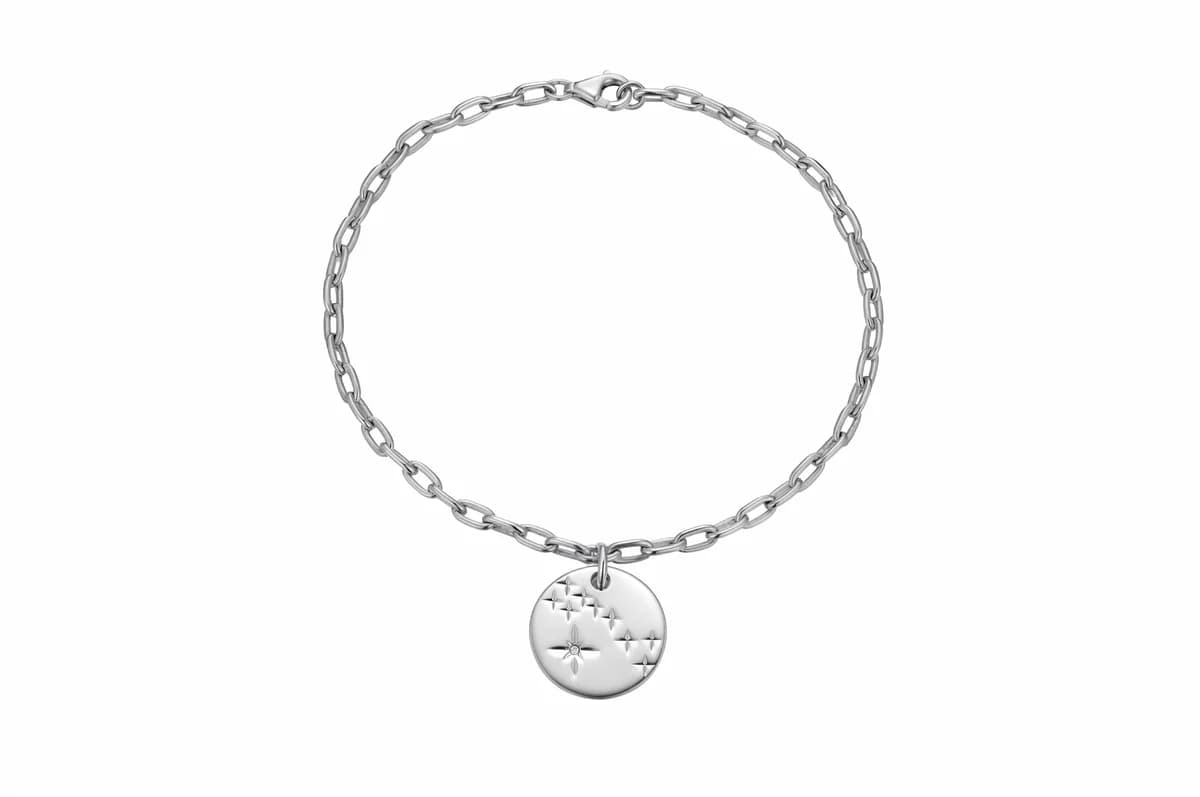
Thick Solid Starburst Embossed Disc Charm Paperclip Chain Clasp Solid Sterling Silver Bracelet
S925 Sterling Silver, Embossed Disc Charm, Paperclip Chain
View product →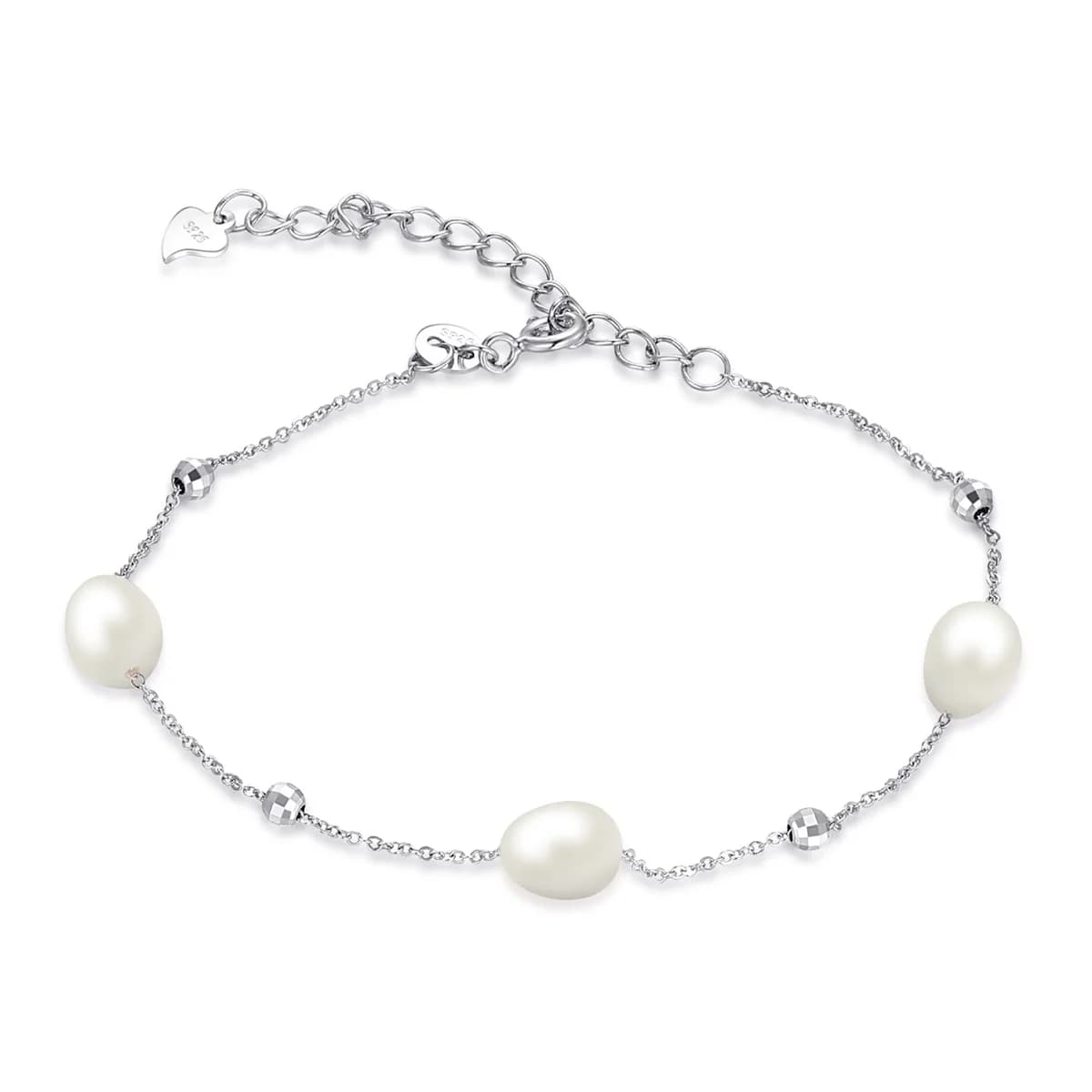
Delicate O-Link Chain Baroque Pearl Heart Tag Bracelet
S925 Sterling Silver, Rhodium Plated, Baroque Pearl
View product →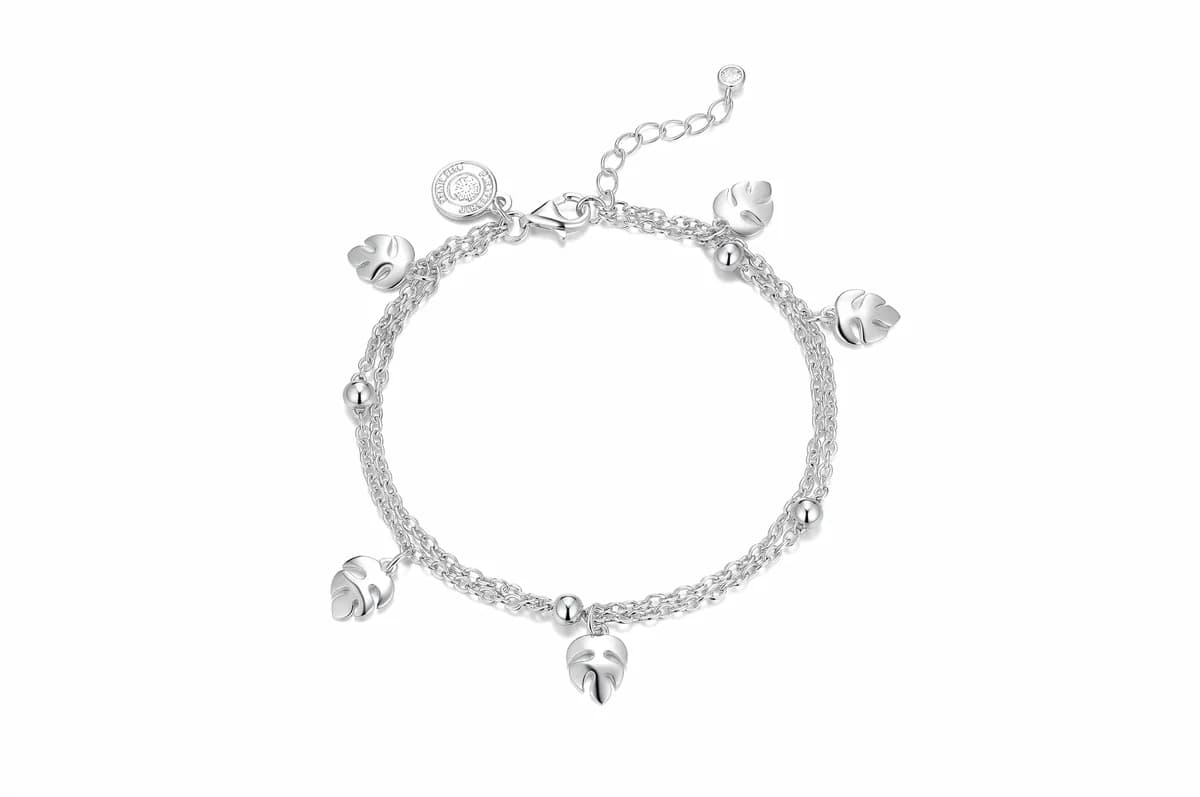
Multi-Layer Shimmer O-Chain 3D Monstera Charm Spacer Bead Disc Charm Adjustable Solid Sterling Silver Bracelet
S925 Sterling Silver, 3D Monstera Leaf Charms, Ball Spacers, Engraved Disc
View product →FAQ
Frequently asked questions
Is chain width the same as wire diameter?
No. Width describes the identified external chain dimension; wire or section size concerns the material forming the link. Link openings and end fittings are additional dimensions. Agree the measurement definitions and units with the supplier.
Does the stated chain length include the clasp and extender?
Not necessarily. Define chain-only length, finished endpoints, measurement condition and the shortest and longest usable fastening positions. Confirm which fittings are included rather than assuming one catalog convention applies to every supplier.
Will a pendant fit if its bail is wider than the chain?
Not automatically. An end ring, tag or other fitting may be larger than the chain body. Review the actual pass-through route and proposed assembled combination, including orientation and whether removal is intended.
What strength or durability test should every chain pass?
There is no universal test load or cycle count supplied here. Agree the intended use, applicable method, setup, conditions, coverage and acceptance criteria with the appropriate technical reviewer before evaluation. A handling check is not a durability result.
Can a similar-looking clasp replace the approved component?
Only after the affected scope is assessed and the replacement is approved for that scope. Check dimensions, length, operation, joining, material and finish evidence, and dependent packing or product records. Preserve the old reference and release the new revision explicitly.
Expert review
Zalson Jewelry Product Development & Quality Team
Technical editorial team
Editorial review covers buyer-side component specification, sample interfaces and design-change records. This is procurement guidance, not a verified product specification, laboratory result, engineering approval or interpretation of contractual rights.
Zalson Jewelry is operated by Guangzhou Zalson Jewelry Co., Ltd., established in Guangzhou in 2017. Content is reviewed by the team rather than attributed to an individual spokesperson.
Sources and further reading
- 1Rio Grande: Anatomy of a Chain — supplier measurement conventions ↗
- 2Stuller: What to Know About Choosing a Jewelry Chain — component-selection perspective ↗
- 3VFOOK: Standard Spring Clasp — example of separate component dimensions, not Zalson specifications ↗
- 4SGS Germany: Jewelry services — inspection and testing scope ↗
- 5European Chemicals Agency: Nickel and its compounds, entry 27 — EU restriction and method references ↗
Defining a chain-based design?