Jewelry Product Development
Jewelry Tech Pack: What Manufacturers Need Before Quotation
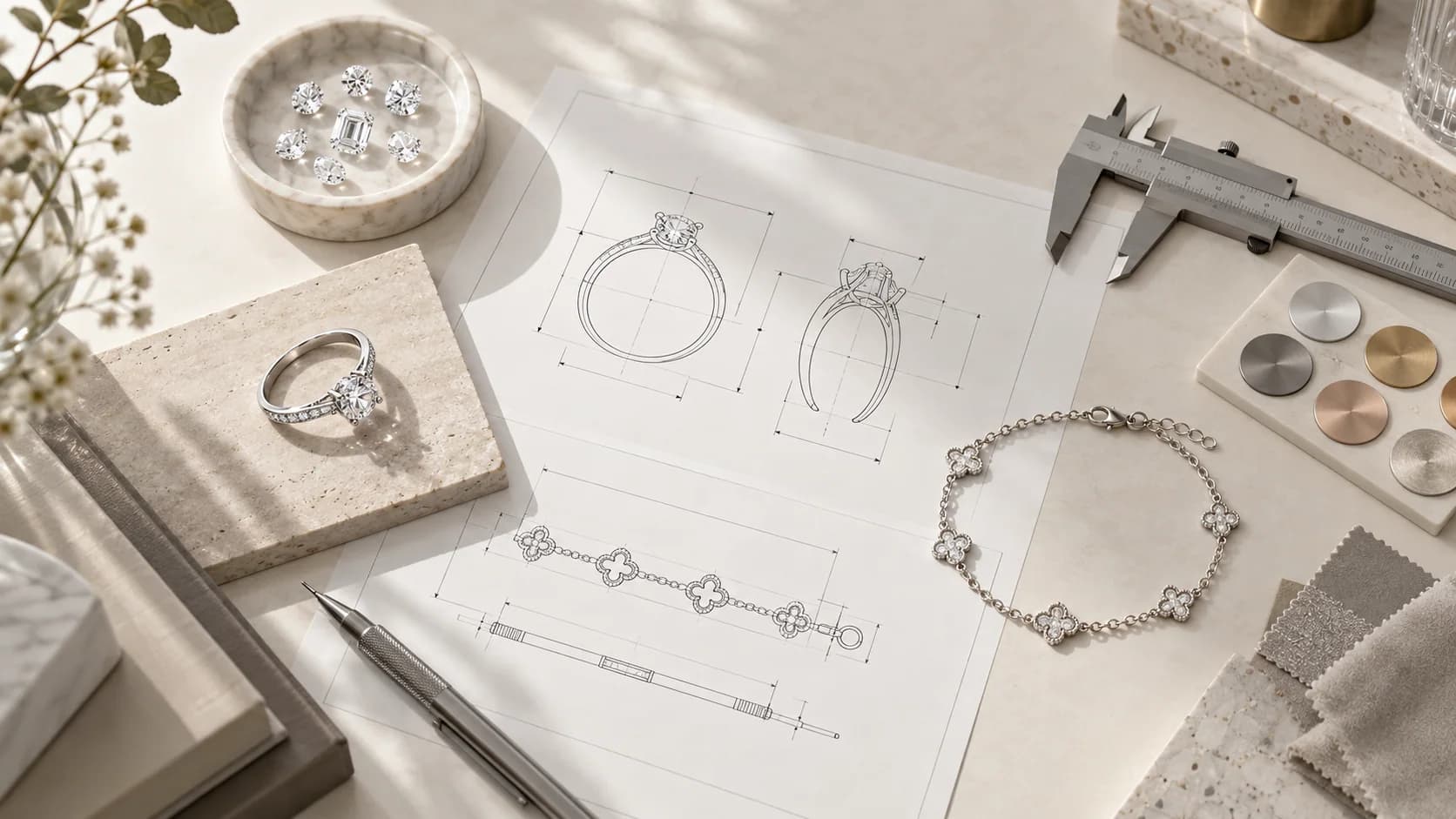
A jewelry tech pack turns a design idea into one controlled basis for quotation, sampling and later production. For a brand buyer, the objective is not to predict every manufacturing decision before speaking with a factory. It is to identify the product, show the intended construction, define known specifications and label open decisions so the manufacturer does not silently fill the gaps. This guide explains what to place in a quote-ready pack, which details can remain provisional, how requirements change across rings, necklaces, bracelets and earrings, and how to keep revisions traceable. Use it when requesting custom, OEM, ODM or private-label jewelry development from a sketch, reference image, CAD file or existing sample.
TL;DRThe short answer
Send one revision-controlled file that identifies the style, shows usable views, separates confirmed specifications from open questions, and states the quantity and commercial scope. A reference image can begin the discussion, but materials, scale, construction, finish, stones, branding and packaging assumptions must be visible before supplier quotations can be compared.
Direct answer
What should a jewelry tech pack include before quotation?
A quote-ready jewelry tech pack should identify the style and revision, show front, side and detail views, list dimensions, target material, stone and setting details, finish or plating, functional components, branding, packaging, size or color variants, quantity, destination market and target timing. Mark every unconfirmed value as provisional or open for manufacturer review.
Decision summary
Key takeaways
- Give every supplier the same numbered revision; otherwise price differences may reflect different products.
- Separate locked requirements, working assumptions and open questions instead of hiding uncertainty.
- Show dimensions and function as well as appearance: clasps, posts, movement and wear orientation affect feasibility.
- A quotation-stage pack can stay lean, but the approved sample must lead to a controlled production specification.
Definition
A jewelry tech pack is the shared product record
A jewelry tech pack is a structured specification package used to discuss how a design should be quoted, developed and reproduced. It gives the buyer and manufacturer one named product reference instead of scattering requirements across chat messages, screenshots and email attachments. At quotation stage, it should be detailed enough to expose the major cost and feasibility drivers without pretending that CAD, engineering review or sampling has already resolved every point.
This distinction matters for buyers starting from a reference image. The image can communicate silhouette, styling and visual proportion, but it does not establish ownership, exact dimensions, metal content, internal construction, stone identity, plating thickness or acceptable substitutions. Treat it as design context, then document the new product decisions that the supplier is actually being asked to price.
Evidence: Tonglin Jewelry; SilverBene
Checklist
The minimum quote-ready jewelry tech pack
Begin with a cover block: project name, temporary SKU, product type, revision number, date and owner. Follow it with visual views and a specification table. Each value should be marked confirmed, target, optional or open. That status is as useful as the value itself because it tells a manufacturer whether to price exactly, suggest a route or ask a question.
Quantity and destination belong in the same package as the design. They influence process planning, packaging, testing conversations and the meaning of an indicative price. If you need both a development quote and a production estimate, request them as separate lines rather than assuming one includes the other.
- Style ID, product type, revision, date and responsible buyer
- Front, side, back and construction details at a usable scale
- Critical dimensions, size range and intended fit or orientation
- Target metal, fineness, weight target or acceptable weight range if known
- Stone type, shape, size, count, color direction and setting method if confirmed
- Plating color, finish, texture, anti-tarnish request and areas to mask
- Clasp, post, hinge, chain, jump ring, moving part and logo requirements
- Packaging, labeling, quantity, destination market and requested timing
Evidence: DinHuey Jewelry; 925 Pro
Comparison
Reference image, design brief and tech pack are not interchangeable
The right document depends on the decision being made. A mood reference can start a feasibility conversation. A design brief aligns the collection objective and customer. A tech pack defines the product basis that suppliers should quote. CAD and an approved sample add later evidence, but neither removes the need to record materials, finish and commercial scope.
| Input | Useful for | Does not reliably establish | Buyer action |
|---|---|---|---|
| Reference image | Style direction, silhouette, visual details | Exact scale, hidden construction, material or stone identity | Annotate what to retain and what may change |
| Design brief | Customer, price position, collection story and use case | Manufacturing-ready measurements or components | Translate intent into measurable requirements |
| Jewelry tech pack | Comparable quotation, CAD handoff and sample checkpoints | Final performance before development and testing | Control revisions and record open decisions |
| Approved sample record | Visual, functional and dimensional benchmark | Future substitutions unless written into the specification | Link approval photos and measurements to the final revision |
Quotation logic
Lock cost drivers; keep genuine design choices open
A manufacturer can often prepare a budget direction from provisional dimensions and a target material, provided the assumptions are explicit. The buyer should know which changes trigger re-quotation. Moving from a simple polished surface to dense stone setting, changing the metal basis, adding a hinge, revising a clasp or splitting an order across many variants can materially change the work being priced.
For Zalson enquiries, buyers may begin with a sketch, reference image, CAD drawing or physical sample. The documented route then moves through design review, CAD, sampling and approval before production. Typical sampling is around seven business days and typical production is around thirty business days, but both remain project-dependent and should be confirmed in the quotation rather than copied into a tech pack as a promise.
| Specification area | Before comparable quote | Can remain open | Freeze before production |
|---|---|---|---|
| Material | Target metal and fineness or priced options | Final option selection | Approved material and permitted substitution rule |
| Dimensions | Overall scale and critical fit dimensions | Noncritical decorative proportions | Approved drawing and tolerances where needed |
| Stones | Type direction, count/size basis and setting concept | Supplier-proposed alternatives | Approved stone schedule and setting |
| Finish | Color and surface direction | Sample swatch route | Approved finish reference and coverage |
| Commercial | Quote quantity, variants, packaging scope and destination | Forecast beyond first order | Purchase-order quantities and approved pack-out |
Product-specific fields
Adjust the pack to the jewelry category
A universal checklist needs category-specific pages. Rings require size system, shank width and profile, setting height and comfort considerations. Necklaces and bracelets need wearable length, extension range, chain or link construction, clasp, charm position and movement. Earrings need post, wire or clip information, pair orientation, drop length and expected weight balance. Brooches need pin direction, catch and how the piece should sit on fabric.
For sets, repeat shared requirements once, then create a component table for each piece. Do not describe a set as one SKU if the necklace, earrings and ring will have different quantities, finishes or approval states. A clear variant matrix prevents an attractive concept board from becoming an ambiguous production order.
Process flow
From concept file to controlled production specification
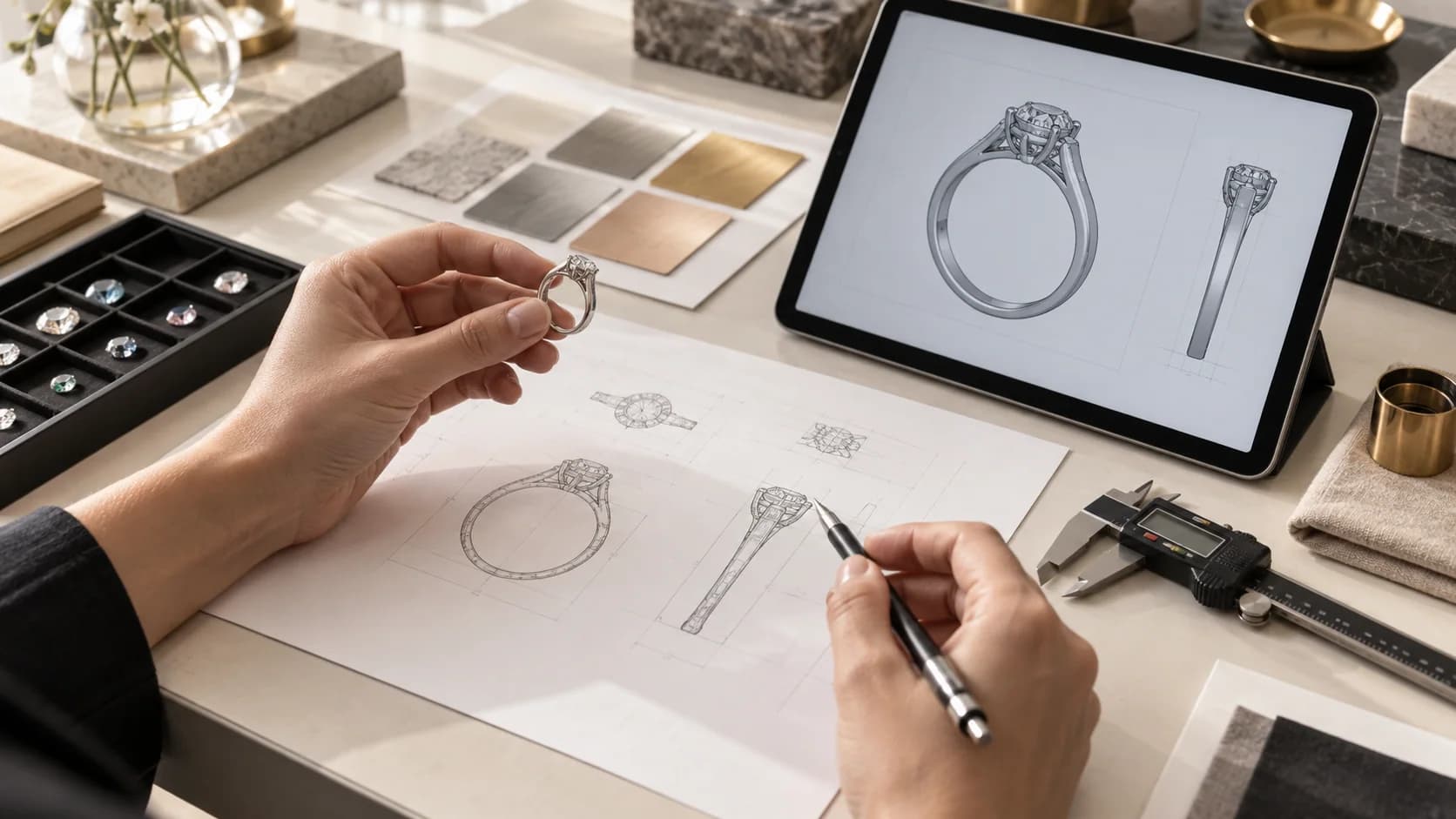
The tech pack should mature with the product. Keep the same style ID and record changes rather than replacing files without a trail. When a sample changes the construction, update the document; when the document changes, identify whether re-quotation or a new sample is required.
1. Define
Name the style, buyer, use case, quantity basis and target market; collect the sketch, reference, CAD or sample.
2. Structure
Add views, dimensions, material, stones, finish, components, branding, packaging and status labels.
3. Review
Ask the manufacturer to identify feasibility issues, missing values, options and every quotation assumption.
4. Quote
Price the same revision, separate sample and production costs, and record validity, MOQ and exclusions.
5. Develop
Update the pack through CAD and sampling; link revision notes, measurements and approval images.
6. Release
Freeze the approved production specification and use it for purchase order, QC and repeat-order review.
Buyer and procurement review
Questions to resolve before sending the pack
A buyer-ready file answers who owns the next decision. If plating color is open, say whether the supplier should quote two options or make one recommendation. If the target cost is sensitive, identify which features may be value-engineered and which define the design. If packaging is undecided, ask for product-only pricing and a separately stated packaging allowance.
Before issue, check that each linked file opens, units are consistent, image references are licensed for the intended use, quantities add up across variants, and the revision in the filename matches the cover page. Send a short response table with the RFQ so every supplier returns assumptions in the same structure.
- What must remain visually unchanged?
- Which dimensions are critical to fit, function or matching components?
- Which material and finish alternatives should be quoted separately?
- Does the quantity apply per style, per size, per color or across the range?
- Which sample, testing, inspection, packaging and delivery costs need separate lines?
- What date should the supplier use for quotation validity and target planning?
Catalog references
Related products
These real catalog products are visual and construction references for specification discussions. Their published product data is unchanged; they are not presented as the exact product used in this guide.
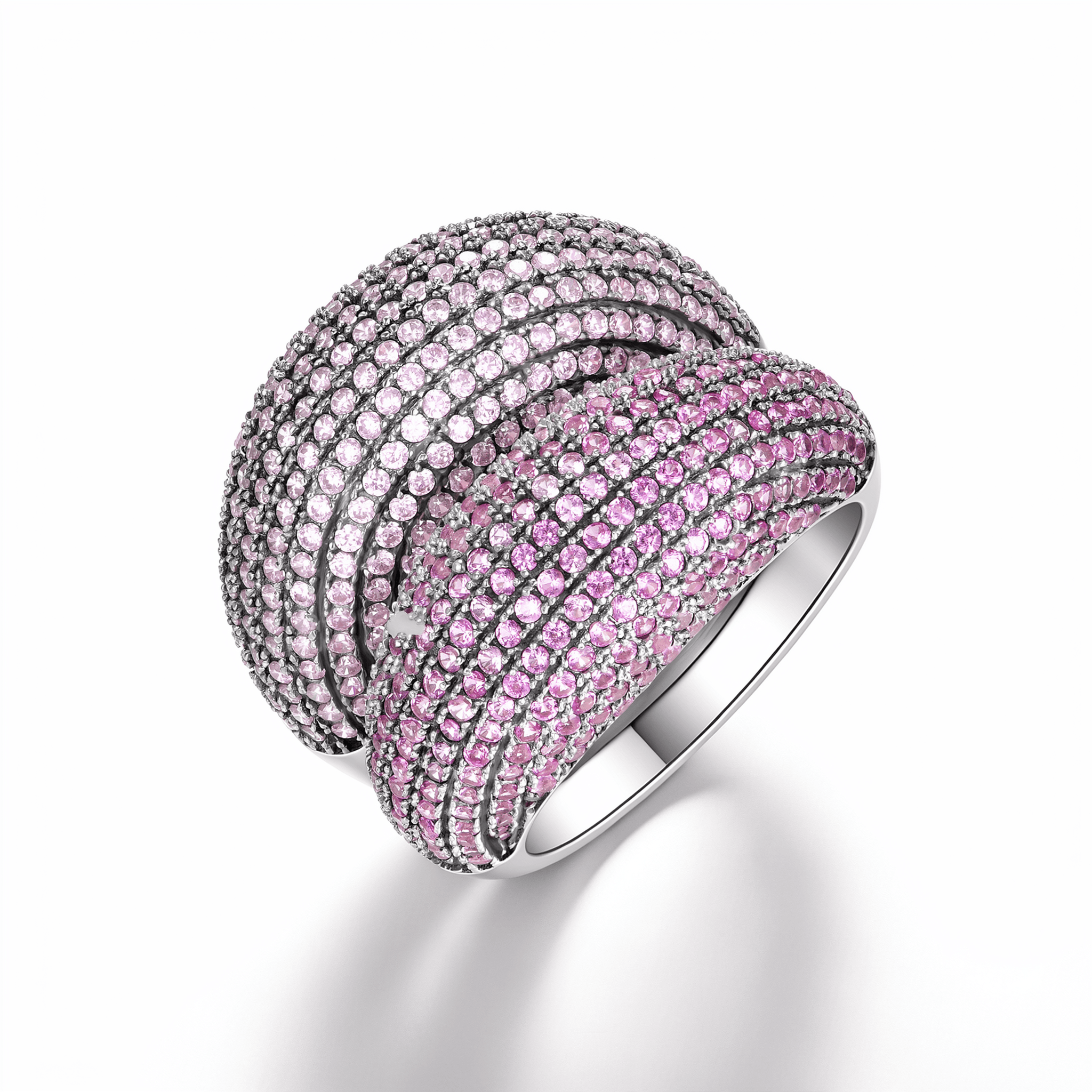
Pink CZ Swirl Twist Pave Cocktail Ring
S925 Sterling Silver, Rhodium Plated, Full Pave Pink CZ
View product →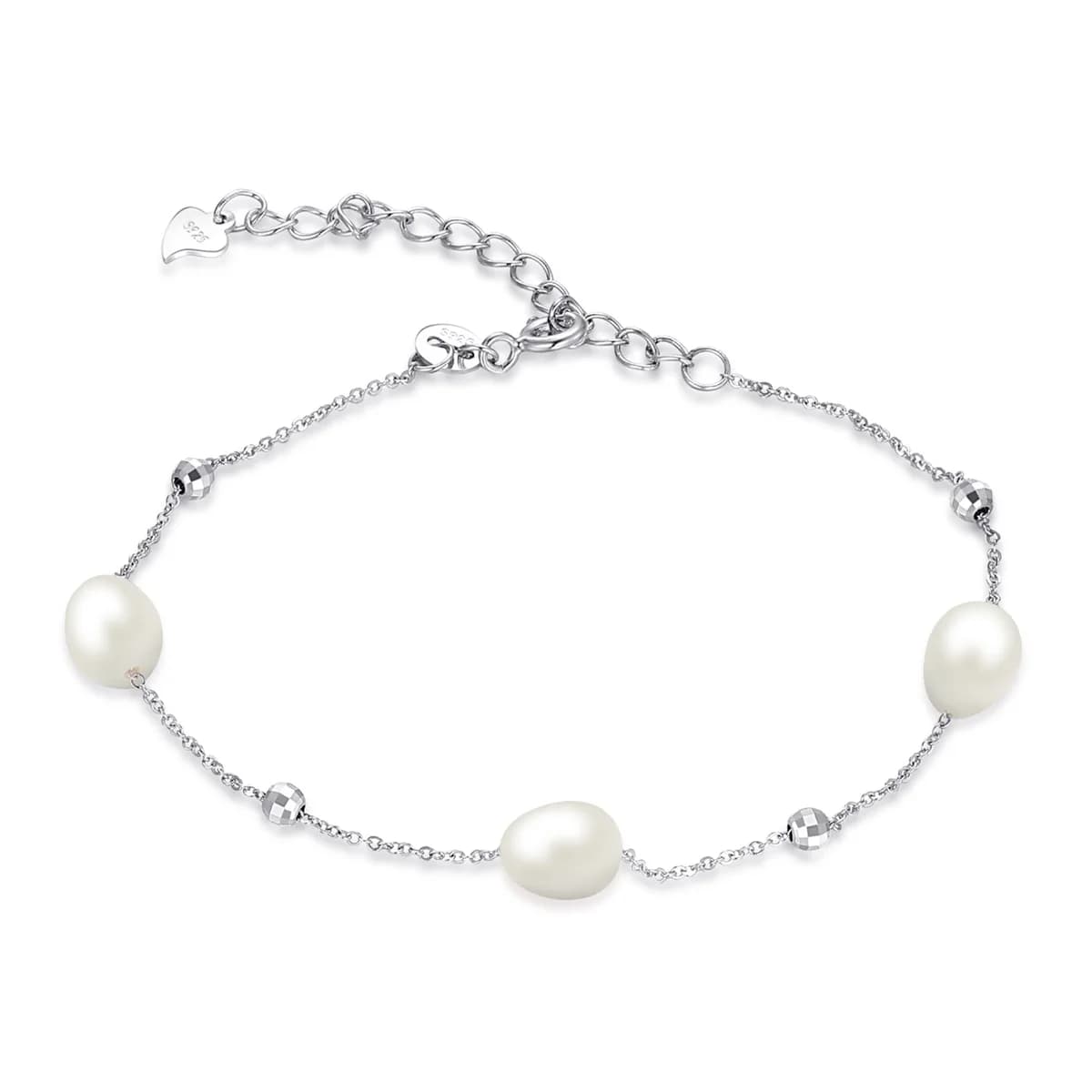
Delicate O-Link Chain Baroque Pearl Heart Tag Bracelet
S925 Sterling Silver, Rhodium Plated, Baroque Pearl
View product →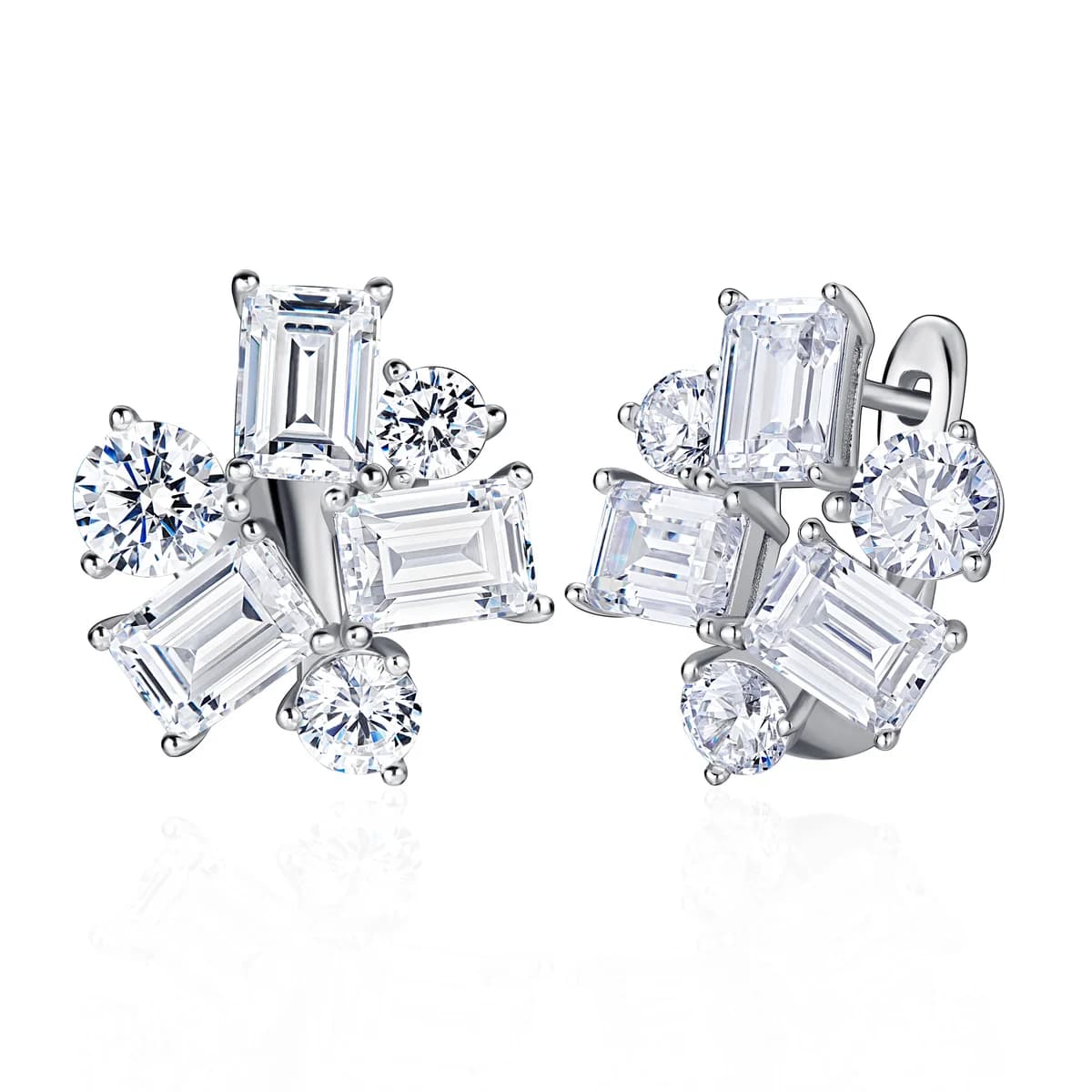
Asymmetrical Starburst Baguette Round Diamond Studs
S925 Sterling Silver, Rhodium Plated, Emerald Cut Baguette CZ, Round Brilliant CZ
View product →FAQ
Frequently asked questions
What is a jewelry tech pack?
A jewelry tech pack is a revision-controlled product specification used to align quotation, CAD, sampling and production. It combines drawings or images with dimensions, materials, stones, finish, components, branding, packaging, quantities and clearly labeled open decisions.
Can I request a jewelry quote with only a reference image?
A reference image can start a feasibility discussion or rough estimate, but it rarely supports a comparable final quote. Add the intended product type, approximate scale, target material and finish, quantity, variants, packaging scope and any features that must be retained.
Do I need CAD before sending a jewelry tech pack?
No. Zalson can begin a project review from a sketch, reference image, CAD drawing or physical sample. If CAD is created during development, update the tech pack so the drawing, specification and later sample remain linked to the same style revision.
Which jewelry specifications can be provisional at quotation stage?
Noncritical decorative dimensions, a choice between priced material options, a manufacturer-proposed clasp or a finish swatch may remain provisional when clearly labeled. The quote should state the assumption and identify what must be approved before sampling or production.
How should I send a jewelry tech pack to a manufacturer?
Send one PDF with a unique style ID, revision and date, plus clearly named source files where needed. Include an RFQ message stating quote quantity, size or color split, destination, target timing and requested cost lines, then ask the supplier to list assumptions and missing inputs.
Expert review
Zalson Jewelry Product Development & Quality Team
Technical editorial team
Reviewed against Zalson Jewelry's documented buyer intake, CAD, sampling, quotation and production workflow. Product specifications remain subject to the approved project brief.
Zalson Jewelry is operated by Guangzhou Zalson Jewelry Co., Ltd., established in Guangzhou in 2017. Content is reviewed by the team rather than attributed to an individual spokesperson.
Sources and further reading
- 1Tonglin Jewelry: How to Prepare a Jewelry Tech Pack for Manufacturing ↗
- 2SilverBene: How to Prepare a Jewelry Tech Pack Before Requesting OEM Quotes ↗
- 3DinHuey Jewelry: Jewelry Manufacturer Quotation Brief Checklist ↗
- 4925 Pro: Custom Jewelry Tech Pack: What to Include Before a 925 Silver Quote ↗
- 5CIBJO: The Blue Books ↗
Have a sketch, reference or early specification?