Procurement Planning
How Jewelry MOQ Works Across Styles, Sizes, Colors and Packaging
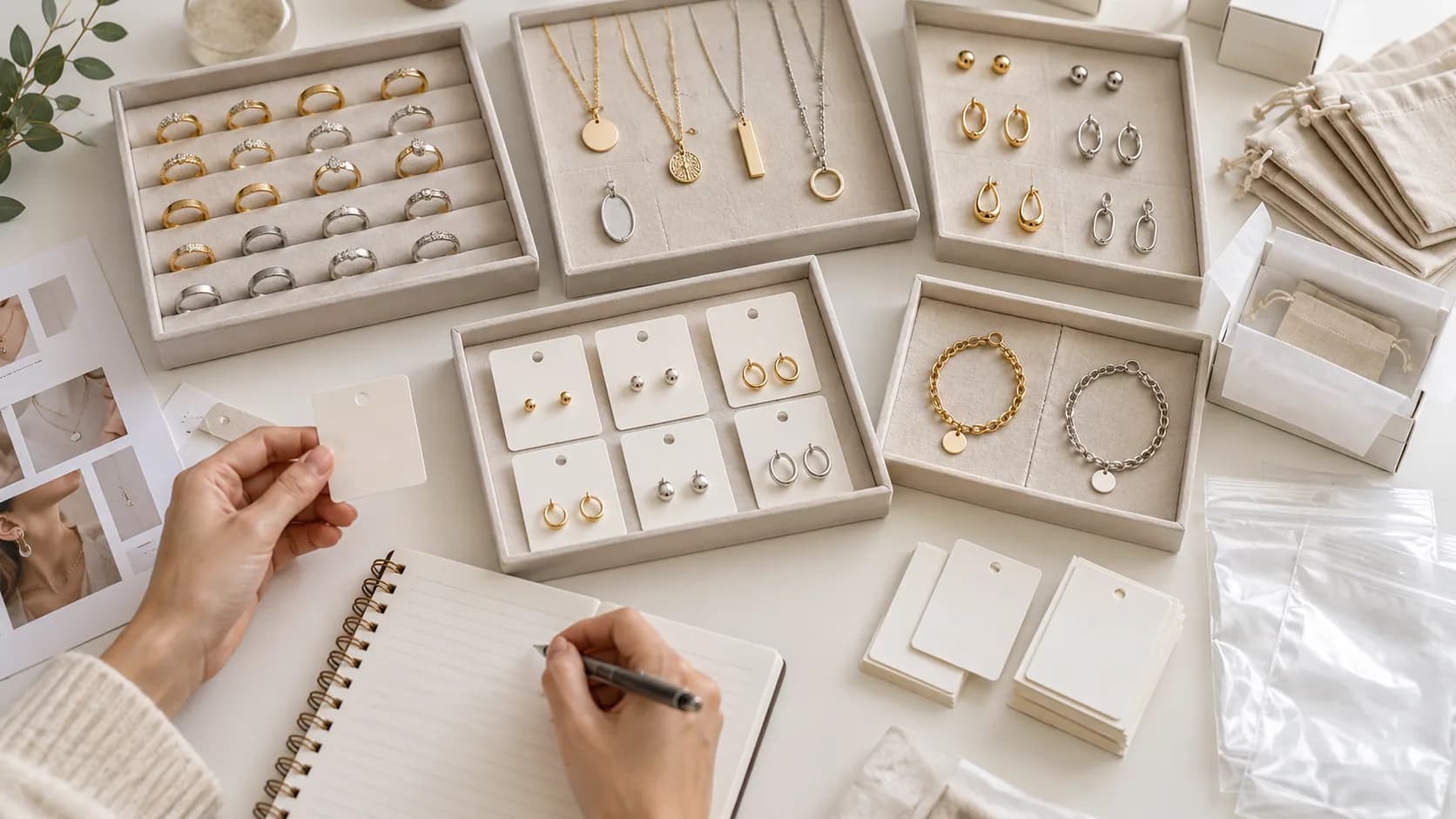
Jewelry MOQ is easiest to plan when it is treated as an order structure rather than one headline number. A buyer may be ordering one design in several ring sizes, two plating colors, more than one stone direction or a collection with different packaging. Each split can affect the supplier's production arrangement and the way a quotation is calculated. This guide gives brand founders and sourcing teams a practical matrix for asking the right question before committing a collection. Zalson Jewelry publishes a general production starting point of 30 pieces per style. The relevant project quote still needs to confirm how size, color, material, stone, finish and packaging versions are counted.
TL;DRThe short answer
Jewelry MOQ should be confirmed against the actual order matrix: style, SKU, size, color, plating, material, stone option and packaging version. Zalson Jewelry publishes a general production starting point of 30 pieces per style. It is a starting point for discussion, not an unconditional promise that all variants or packaging can be combined under one quantity.
Direct answer
How does jewelry MOQ work when a collection has variants?
Jewelry MOQ is confirmed against the order combination a supplier will make and pack. Start with quantity per style, then show every size, color, plating, material, stone and packaging split on separate lines. Zalson publishes 30 pieces per style as a general production starting point; the project quotation should confirm which compatible variants, if any, may be combined.
Decision summary
Key takeaways
- A style, SKU and variant are useful planning labels, but a quote needs each requested combination made visible.
- Size, color, finish, material and stone splits should be presented before the supplier confirms the MOQ basis.
- A collection total does not automatically replace a per-style production starting point.
- Packaging can have a separate order quantity and approval route from the jewelry itself.
- Samples and bulk-production MOQ answer different commercial questions and should be listed separately.
Start with the basis
What jewelry MOQ means—and what it does not mean
MOQ means minimum order quantity, but the decisive question is: minimum of what? A supplier may discuss a minimum per design, per SKU, per finish, per material route or per packaging component. A collection-level total can be useful for planning, yet it should not hide the quantity and variation behind each product line.
Zalson Jewelry publishes a general production starting point of 30 pieces per style. Treat this as the first line in an RFQ, then ask the supplier to confirm the applicable basis for the proposed design and all requested variants. The quote should state the version it covers so later changes do not silently change the commercial assumption.
| Term | Practical meaning | Buyer action before quotation |
|---|---|---|
| Style MOQ | Quantity tied to one design identity | Give each design a style code and total requested quantity. |
| SKU quantity | Quantity tied to a sellable version such as a size or finish | Show every sellable variation as a separate row. |
| Variant split | Allocation across sizes, colors, plating, stones or materials | State quantities rather than asking the supplier to infer the mix. |
| Collection total | Total quantity across multiple designs | Use it as commercial context; request confirmation of each style basis. |
| Packaging quantity | Order quantity for cards, pouches, inserts or boxes | List the packaging version and whether it is per piece, set or shipment. |
Evidence: DinHuey Jewelry; 925 Pro
Build the matrix
Separate style MOQ from SKU, size and color splits
A single ring design may become several SKUs when it is sold in different sizes, and a necklace can become several variants through chain length or a color direction. The buyer does not need to pre-judge which rows may combine; the buyer needs to make the requested split clear. This lets the supplier review production feasibility, components, finishing and commercial assumptions against one controlled request.
For example, a buyer planning one ring in three sizes should list the style total and the requested quantities for each size. The same applies to two plating colors: list the total style quantity and the silver-tone and gold-tone requests separately. The supplier can then respond with the MOQ basis or a proposed arrangement that is traceable to the actual assortment.
| Scenario | Buyer quantity lines | Question to confirm |
|---|---|---|
| 1 style × 3 ring sizes | Style A: 30 total; size lines shown separately | Can the requested size split be produced under the quoted style basis? |
| 1 style × 2 plating colors | Style B: 30 total; silver-tone and gold-tone lines shown | How is the finish split counted for this construction and order? |
| 5-style launch collection | Five style rows, each with its own quantity and variant details | Which production minimum applies to each style and to the collection total? |
| One style with two stone options | Shared design noted, stone option quantities listed separately | Does the requested stone allocation change sourcing or production planning? |
| Jewelry plus packaging | Jewelry quantity and box/card/pouch quantities on separate lines | Does the packaging version follow a separate minimum or artwork route? |
Evidence: DinHuey Jewelry; 925 Pro
Commercial variables
Show plating, material and stone variants before the quote
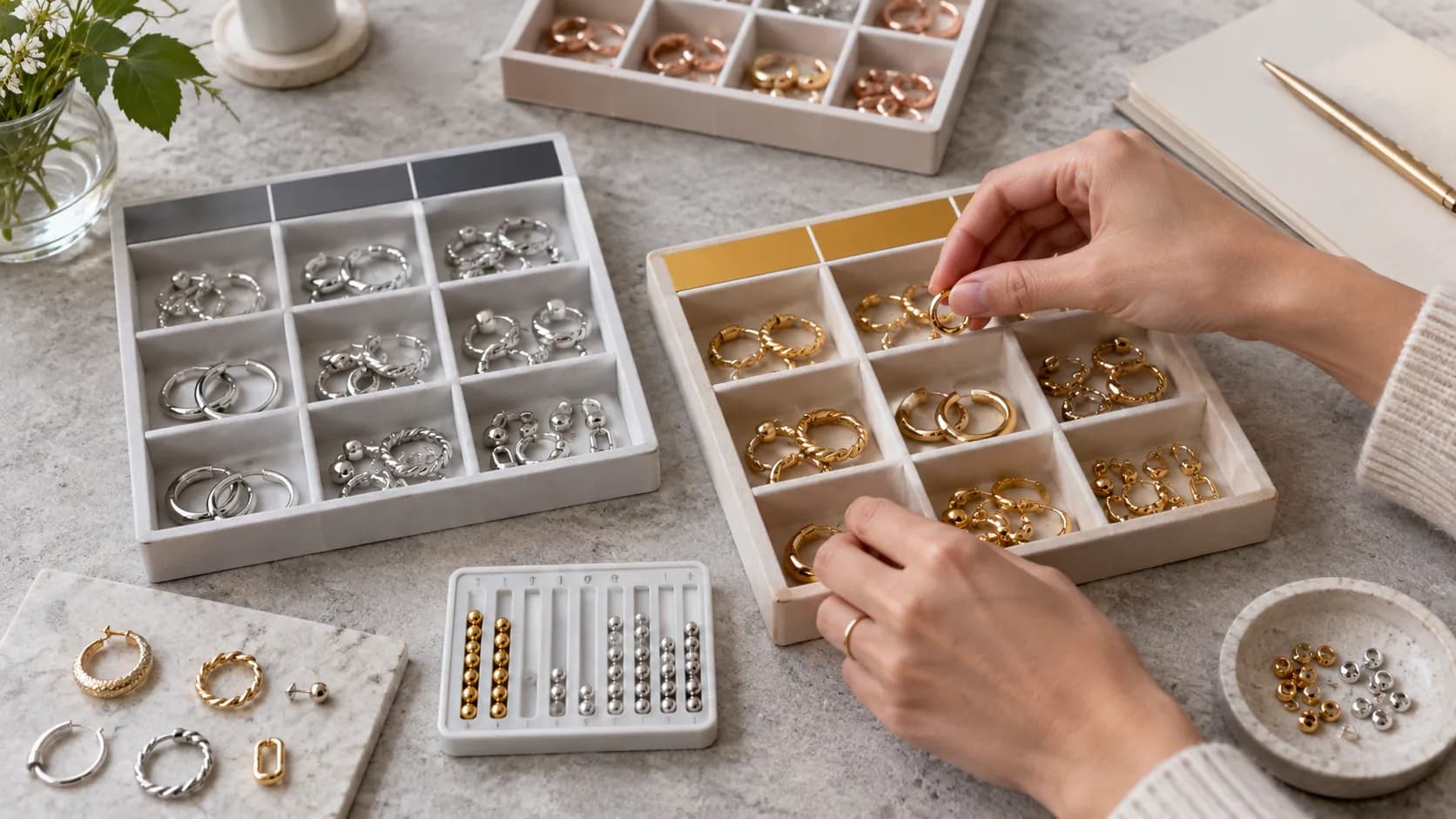
A plating finish, base material or stone option can change the production route even when the overall shape is shared. Describe the requested option plainly: base material, surface and plating direction, stone type or color direction, plus the quantity for that line. The most reliable quote is one where both buyer and supplier can see which version each price and MOQ response refers to.
This does not require a buyer to arrive with a fully engineered production solution. A reference image, sketch, CAD or existing sample can begin the conversation. The point of the matrix is to distinguish confirmed decisions from supplier questions before sampling or quotation moves forward.
Do not merge unlike quantities
Packaging MOQ and sample quantity may follow a different route
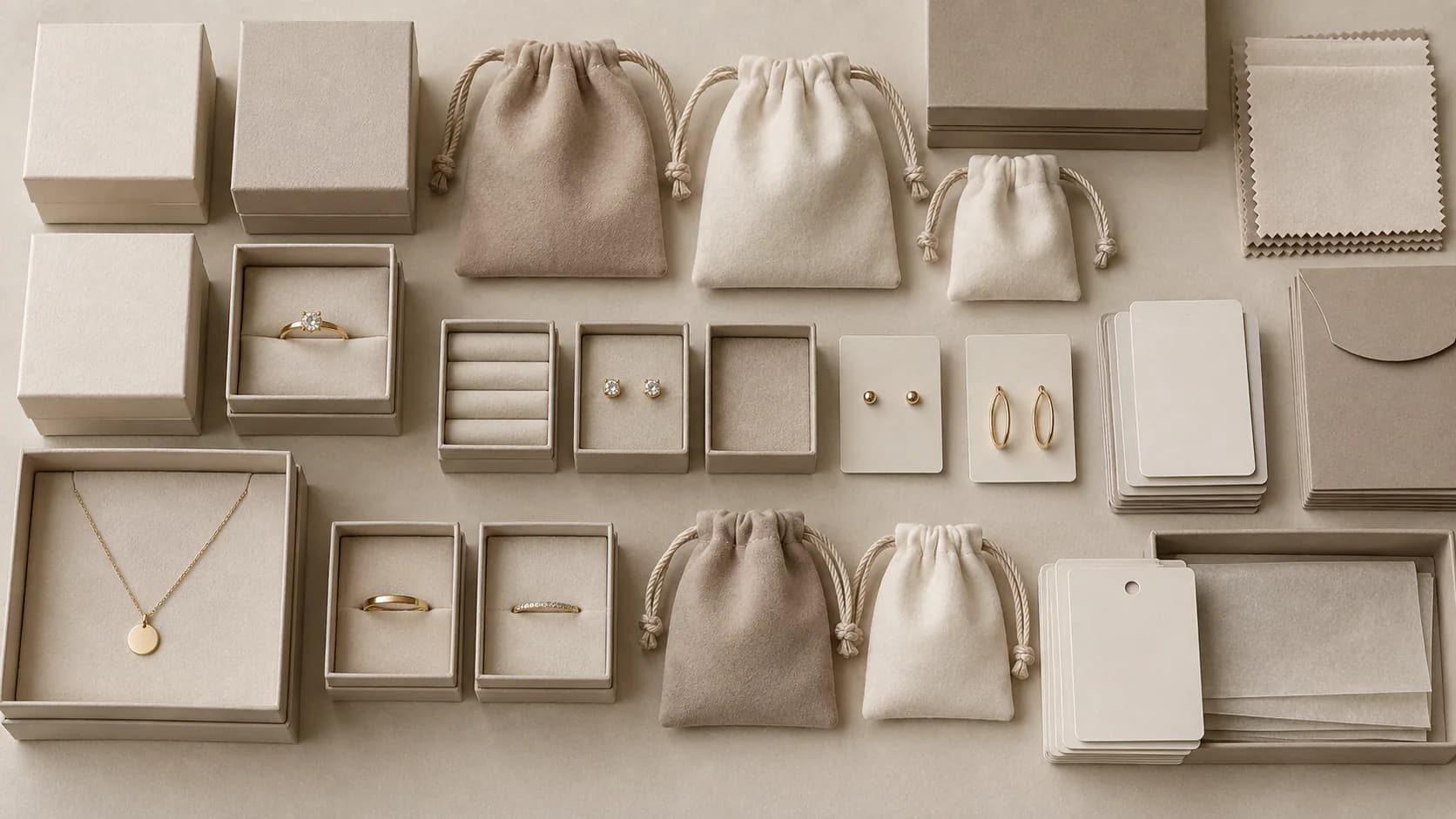
Jewelry and packaging are connected in the final customer experience, but their quantity planning may not be identical. A card, pouch, box, insert, logo treatment or printed label can require its own artwork approval, sourcing and quantity discussion. Keep product and packaging rows connected by SKU or style code while showing the packaging version as a distinct commercial line.
Sample quantity is also different from production MOQ. A sample is a development and approval input; production MOQ is a commercial basis for manufacturing the released order. Put sample requests, revisions and packaging samples in one part of the brief, then list proposed production quantities in a separate matrix. This helps prevent an approval-stage quantity from being mistaken for a production commitment.
Evidence: 925 Pro; DinHuey Jewelry
From request to order
Use an RFQ-to-confirmed-MOQ process instead of a headline number
The buyer's first task is to make the collection legible: give every style a code, show the product reference, list the quantity by variant and attach the relevant material, finish, stone and packaging notes. The supplier then has a usable basis to review the design and return a project-specific MOQ proposal, sample route and quotation assumptions.
After sampling, update the matrix to match the approved product revision. Before issuing a purchase order, confirm the style quantities, variant split, packaging quantities and any supplier-approved change in writing. The final order should point back to the approved sample and current specification so a later reorder does not rely on a generic MOQ statement.
1. List styles
Assign a style code and a total requested quantity to every design.
2. Split variants
Show sizes, colors, finishes, materials, stones and pack-out versions on separate lines.
3. Issue RFQ
Send the same versioned matrix, references and commercial questions to the supplier.
4. Review proposal
Confirm what MOQ basis and assumptions the supplier applies to each proposed line.
5. Approve sample
Link the accepted sample and final product version to the quantity matrix.
6. Release order
Place the PO against the confirmed styles, variants, packaging and approved record.
Request a project review
How to prepare a Zalson Jewelry MOQ discussion
For a Zalson Jewelry project, use the published general production starting point of 30 pieces per style as the opening reference, then submit the actual quantity worksheet. Include style references, size and color splits, requested material and plating directions, stone options, packaging version, destination market and launch context. This gives the review enough detail to assess the proposed production structure.
Zalson supports custom, OEM, ODM and private-label enquiries. The final quotation should confirm the project-specific MOQ basis after the design, sample route and variants have been reviewed. This protects a new collection from making a commercial decision on an assumption that belongs to a different product or order structure.
Catalog references
Related products
These real catalog products are visual and construction references for specification discussions. Their published product data is unchanged; they are not presented as the exact product used in this guide.
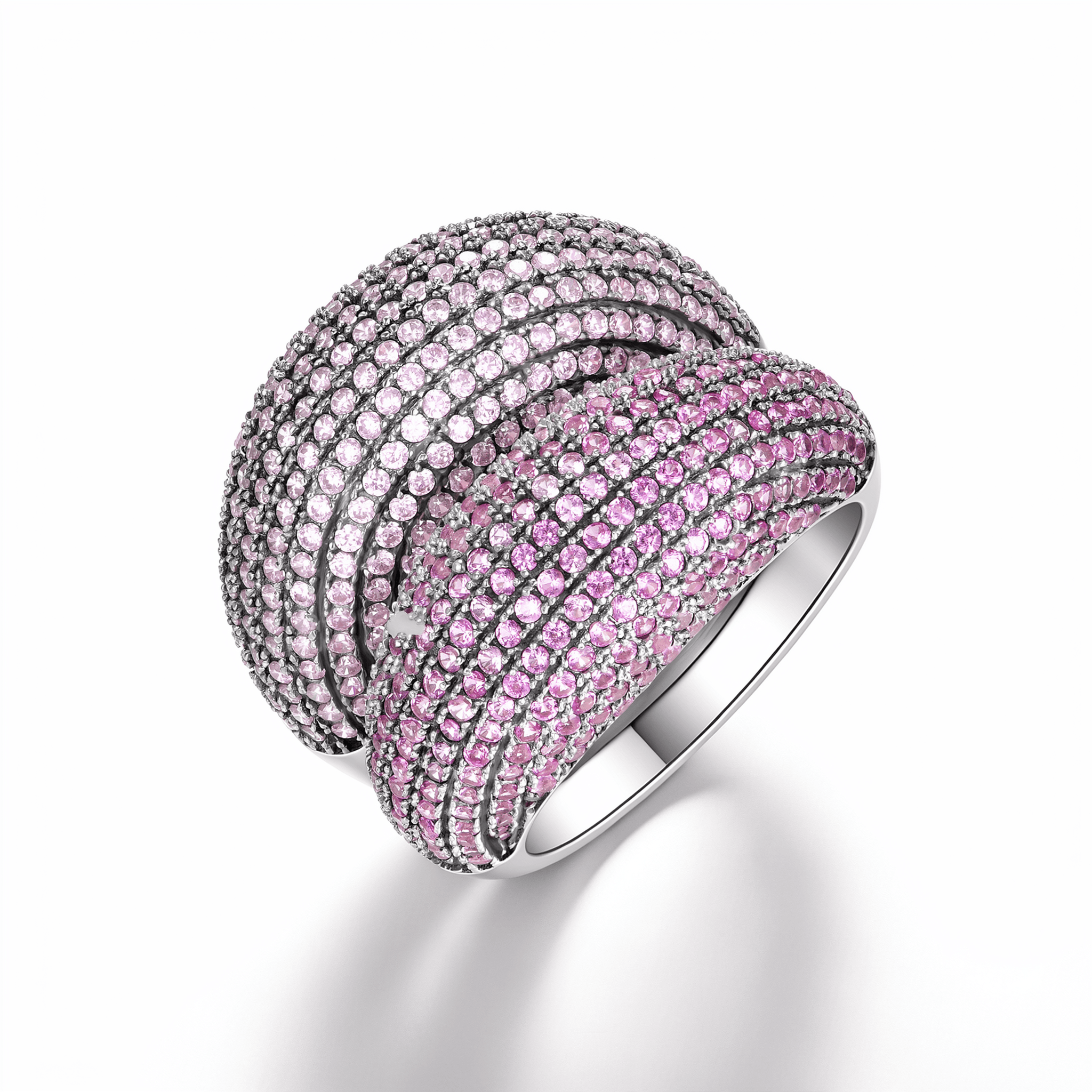
Pink CZ Swirl Twist Pave Cocktail Ring
S925 Sterling Silver, Rhodium Plated, Full Pave Pink CZ
View product →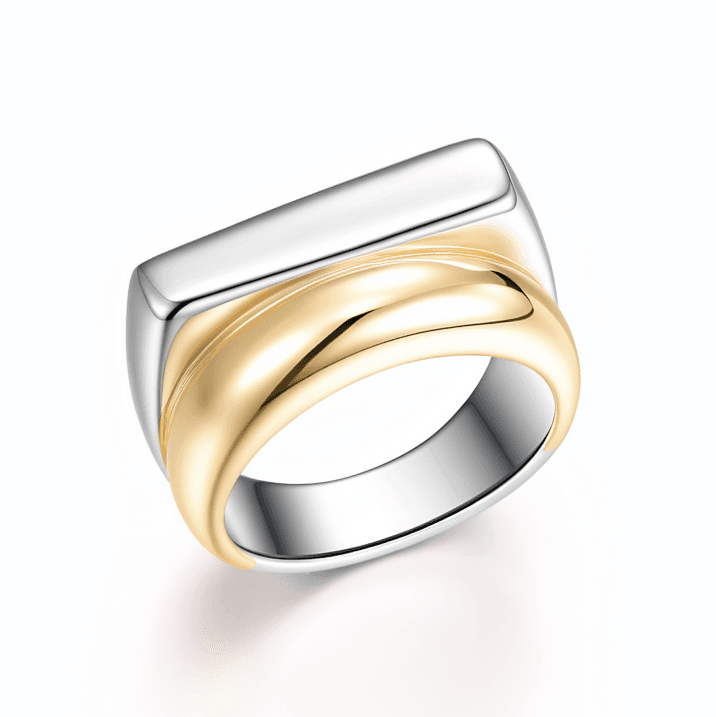
Two-Tone Gold & Silver Dome Overlay Ring
S925 Sterling Silver, Dual-tone Gold & Silver Plated, High Polish
View product →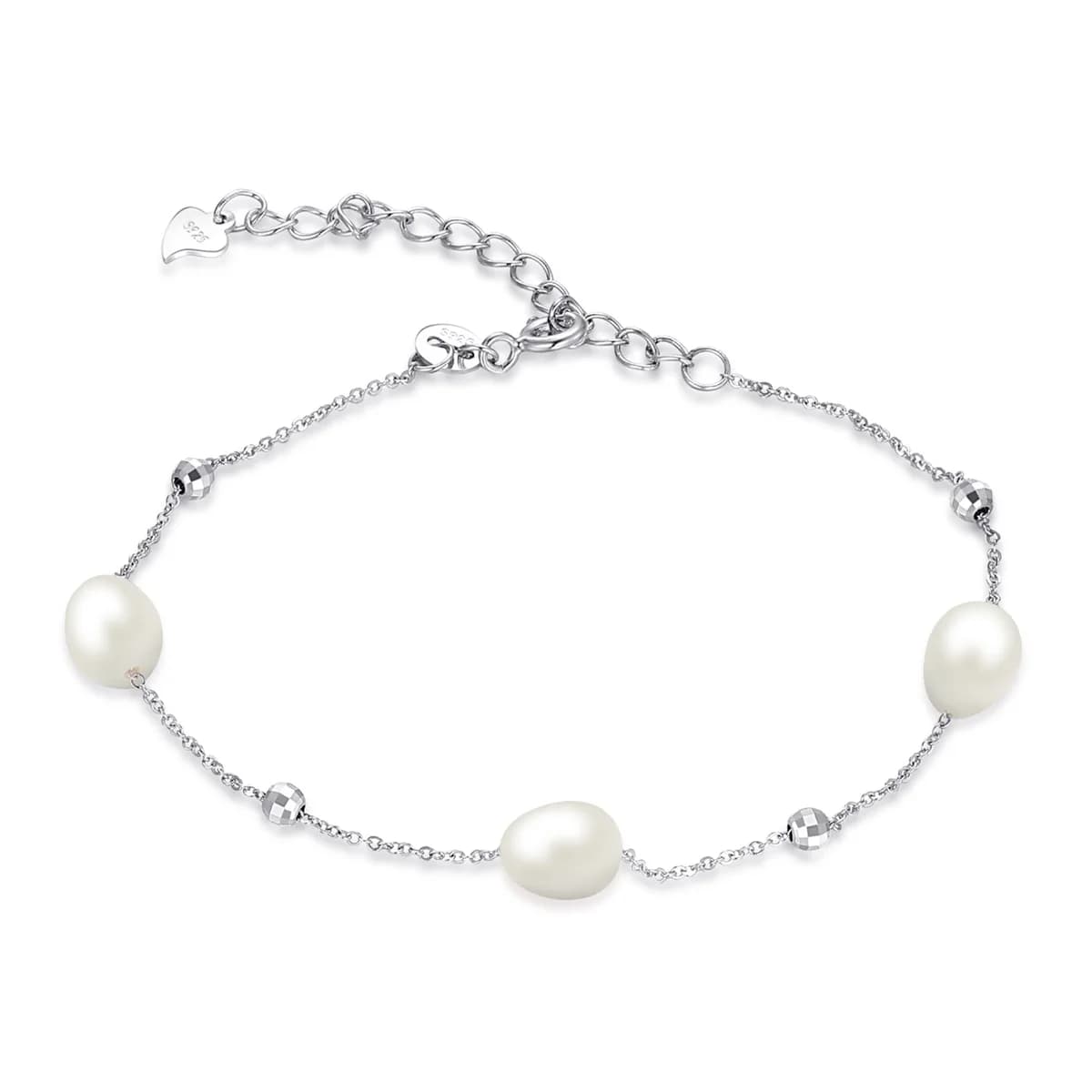
Delicate O-Link Chain Baroque Pearl Heart Tag Bracelet
S925 Sterling Silver, Rhodium Plated, Baroque Pearl
View product →FAQ
Frequently asked questions
Is jewelry MOQ per style or per SKU?
It depends on the supplier's confirmed production basis. Start by listing the style total and every sellable SKU or variant separately, then ask the supplier to state how the proposed size, color, finish, material and packaging lines are counted for that project.
Can I mix ring sizes to meet jewelry MOQ?
Show the total quantity for the ring style and the requested quantity for each size. Whether the sizes can be combined under the quoted production basis is a project-specific confirmation the supplier should provide in writing.
Does every plating color have its own jewelry MOQ?
A plating split should be listed as separate quantity lines. The supplier then confirms how the requested finish options affect production planning and the MOQ basis for that design. Do not assume that one total automatically covers every finish.
Can a mixed collection of five jewelry styles share one MOQ?
A five-style collection total provides useful commercial context, but each style should have its own quantity and variant line. Ask the supplier to confirm the production basis for each design and identify any compatible elements that may be considered together.
Is packaging MOQ the same as jewelry MOQ?
Not necessarily. Cards, pouches, boxes, inserts, labels and printed components can have separate artwork, sourcing and quantity requirements. Keep packaging connected to the relevant SKU while requesting its quantity basis and approval route separately.
Expert review
Zalson Jewelry Product Development & Quality Team
Technical editorial team
Reviewed for jewelry development workflow, sample-control language, MOQ planning and production-release records.
Zalson Jewelry is operated by Guangzhou Zalson Jewelry Co., Ltd., established in Guangzhou in 2017. Content is reviewed by the team rather than attributed to an individual spokesperson.
Sources and further reading
- 1DinHuey Jewelry: Low-MOQ Jewelry Sourcing: Mixed Designs, Sizes and Reorders ↗
- 2925 Pro: Wholesale Silver Jewelry Multi-SKU Order Consolidation Guide ↗
- 3925 Pro: How to Build a Custom Silver Jewelry Colorway Brief ↗
- 4925 Pro: Private Label Jewelry Color and Finish System ↗
- 5925 Pro: Private Label Jewelry Packaging Guide ↗
- 6DinHuey Jewelry: Custom Jewelry Packaging ↗
- 7925 Pro: B2B Custom Jewelry Quote Checklist ↗
- 8World Gold Council: Gold Demand Trends Q2 2026: Jewellery ↗
Plan a quote-ready assortment