Repeat Order Planning
Jewelry Reorder Checklist: How to Repeat an Approved Style
A jewelry reorder checklist helps a brand repeat the product it actually approved, including the corrections learned from the first run. A previous order number is a useful starting point, but it may not identify the final clasp, stone selection, finish reference or packaging version. Supply conditions and commercial terms can also change between batches. For founders, buyers and product developers, the practical task is to separate what stays fixed from what must be reconfirmed. This guide gives you a change-based review, a repeat-order worksheet and a release sequence that connects the new order to the correct baseline without assuming that every reorder needs a complete new development cycle.
TL;DRThe short answer
Identify the latest approved product and packaging revision, not just the last invoice. Reconcile every variant and quantity, locate an appropriate reference sample, request a declaration of proposed changes, and reconfirm material availability, prices, MOQ, evidence and delivery terms. Route changes through proportionate review or sampling, issue a new acknowledged PO, inspect the new lot and retain its records for the next reorder.
Direct answer
What belongs in a jewelry reorder checklist?
A jewelry reorder checklist should include the previous order, latest approved specification and CAD, reference sample, variant quantities, material and component availability, finish and stone comparisons, packaging revision, proposed substitutions and current commercial terms. Record required reviews or samples, buyer approval, the new acknowledged PO and the new lot's inspection evidence. An old SKU or invoice alone is not a complete production instruction.
Decision summary
Key takeaways
- The latest approved revision may differ from the original sample and the last shipped lot.
- Keep quantity changes separate from material, construction, finish and packaging changes.
- Ask for a change declaration before authorizing substitute components or materials.
- Define how appearance will be compared; photographs alone cannot guarantee a critical color match.
- Preserve each new lot's evidence and feedback instead of merging all batches under one SKU.
Recover the right version
Start the jewelry reorder checklist with the latest approved baseline
Gather the previous PO and quote alongside the final tech pack, released CAD, approved sample record, finish/color reference, packaging artwork and inspection findings. Identify the documents that reflect the accepted result after any first-run corrections. The first drawing and the last invoice can both be older than the current product decision. Keep the date, revision and approval for each reference visible in the new enquiry.
Ask whether a previous exception applied to one lot or became a permanent change. A batch accepted with a documented concession should not automatically redefine the next run. If the physical sample conflicts with the current file, resolve the conflict before release. The jewelry tech pack guide and purchase order checklist help connect product identity to the order, while the sample approval checklist separates reference approval from permission to manufacture.
- Previous PO, quote and supplier order reference
- Final approved tech pack and CAD revision
- Sample ID, approval conditions and reference location
- Finish map, color reference and stone specification
- Packaging, label, artwork and pack-out versions
- Inspection findings, corrections and lot-specific concessions
Evidence: Silverbene
Order the assortment you need
Reconcile style, SKU and variant quantities before requesting a quote
List the new quantity by style, size, material, stone option, plating color and packaging relationship. Mark fields that intentionally stay unchanged and those that are being revised. A style total does not tell the manufacturer whether an old size/color split is still wanted. Add variant subtotals and reconcile the line quantities to the requested total. Keep the buyer's SKU linked to the supplier's reference where both are used.
A quantity-only reorder may change commercial or production assumptions even without a design change. Confirm the current quantity basis for jewelry and packaging rather than assuming the previous minimum or assortment rule still applies. Zalson publishes a general production starting point of 30 pieces per style, with the project and variant basis requiring confirmation. Use the jewelry MOQ guide to ask how the proposed split affects this actual order, and identify leftover packaging separately from new component requirements.
| Identity | Unchanged baseline | New request | Confirmation needed |
|---|---|---|---|
| Style/SKU and supplier reference | Approved product revision | Quantity by size and color | Subtotal and current MOQ basis |
| Material and stone option | Approved identity and specification | Any intended material or stone change | Availability and evidence relevance |
| Finish and components | Color reference, chain and clasp | Any proposed replacement | Review and sample requirements |
| Packaging SKU | Artwork, insert, label and pack-out | Reuse or new quantity/version | Product-to-packaging reconciliation |
Choose a proportionate review
Separate replenishment from a changed product
Create a change declaration covering inputs, construction, finish, branding and packaging. Ask the manufacturer to confirm what is unchanged and identify anything it proposes to alter. 'Same SKU' is not a declaration that the process or components remain the same. Give each proposed change a reason, affected variants, expected effect, review requirement and buyer decision. An unavailable clasp, for example, creates a decision about fit, appearance and function rather than automatic permission to use a similar one.
The review should follow the potential effect. A quantity change can require a new quote; a box change can require a packing-fit review; a material or setting change can require revised drawings, sampling and fresh evidence. The matrix below is a planning tool, not a claim that any particular change is always acceptable. Ask for the manufacturer's proposal and close the affected technical and commercial questions before work proceeds.
| Change | Possible impact | Review to agree | Release condition |
|---|---|---|---|
| No intended product change | Reference condition or undisclosed input changes | Baseline and supplier change declaration | Same released version confirmed |
| Quantity or variant split only | MOQ, scheduling, unit-price basis and packaging balance | Updated matrix and quotation | Accepted current terms and totals |
| Packaging only | Fit, protection, labels and sellable-unit identity | Packing sample/artwork review as needed | Named packaging revision approved |
| Finish or color | Appearance, process route and product description | Physical comparison and relevant evidence | New finish reference and scope approved |
| Material, stone or component | Identity, dimensions, fit, function and claims | Revised specification; CAD/sample/test review as relevant | Proposed substitute expressly accepted |
| Substantial structure or design | Manufacturability and whole-product behavior | New development route and quote | New version released through its approval gates |
Evidence: SSJew; DinHuey Jewelry
Compare the right characteristics
Use an identified reference and agree how batch variation is assessed
Identify who holds the physical reference, what it represents and whether it remains in suitable condition. A 'golden sample' is a reference term, not a guarantee that one old object controls every later decision. An aged, handled or worn piece may no longer represent the approved surface. Protect and label retained references, record replacements and align the current written specification with the sample that will actually be used for comparison.
Natural gemstones and pearls can vary in color, pattern, shape or appearance. Oxidized, textured and plated surfaces can also differ between production runs. Agree which characteristics matter, how matched pieces will be selected where applicable, and the comparison conditions. Use an approved reference range or project-specific method when needed. Photographs support discussion, but changing illumination and screens limit a critical color comparison. Do not infer a universal acceptable difference from an image or promise that natural materials will match exactly.
Evidence: TY Jewelry
Obtain a change declaration
Reconfirm materials and components before authorizing substitutions
Ask about current availability of metal inputs, stones, pearls, chains, clasps, backs, findings and packaging. For custom construction, request a review of any relevant tooling or assembly change rather than assuming that an old route remains ready. Availability is a current project question. Neither a catalog photograph nor an old paid invoice establishes that the same sourced component is still available.
A substitution request should name the old and proposed inputs, reason, affected quantity or variants, and potential impact on appearance, fit, function, material identity and evidence. Require the buyer's express decision before the change enters the affected production stage. Update the specification and reference if approved. If the proposed route cannot meet the requirement, keep that point open and ask for options; a vague 'equivalent quality' statement cannot resolve an unspecified change.
- Original and proposed component/material references
- Reason and affected variants or quantity
- Appearance, fit, function and claim implications
- Required drawing, sample or evidence review
- Current cost, schedule and packing implications
- Buyer decision, date and effective revision
Refresh the offer
Confirm current prices, quantities, scheduling and delivery terms
Request a new quote with currency, unit-price basis, variant quantities, packaging costs, any separate development or testing fees, exclusions and validity. Reconfirm payment, shipping responsibility, delivery address and the proposed timing. Explain which items use remaining stock or packaging and which must be newly sourced. Do not treat a past lead time or an old trade term as automatic acceptance of the new order.
The World Gold Council's July 2026 jewelry review describes the pressure of elevated and volatile gold prices on purchasing decisions. This is market context for checking quote validity, not evidence of a particular increase in Zalson's price. Silver inputs, exchange rates, component availability and packaging can have their own effects. Ask the supplier to explain the new quote against the defined scope; do not compare totals from orders with different materials, assortments or inclusions as though they were the same offer.
Evidence: World Gold Council
Carry forward what the first run taught you
Review returns and repairs before repeating the specification
If your brand has actual return, repair or customer feedback records, organize them by style, variant, lot and observed issue. Separate a workmanship concern from a wrong configuration, shipping damage, misuse or a change in customer expectations. Photographs and returned pieces can support investigation, but do not declare a root cause solely because several complaints use the same wording. Ask for a review and keep conclusions tied to evidence.
Record whether the outcome requires a correction to production, a design revision, a packaging change or clearer instructions. Distinguish permanent approved changes from a temporary concession granted to one lot. Give the next order a current effective revision and remove ambiguity about superseded files. If there is no feedback data, record that fact; do not invent return rates, customer stories or performance results to make the reorder brief look complete.
Repeat the complete unit
Recheck packaging, identifiers and destination requirements
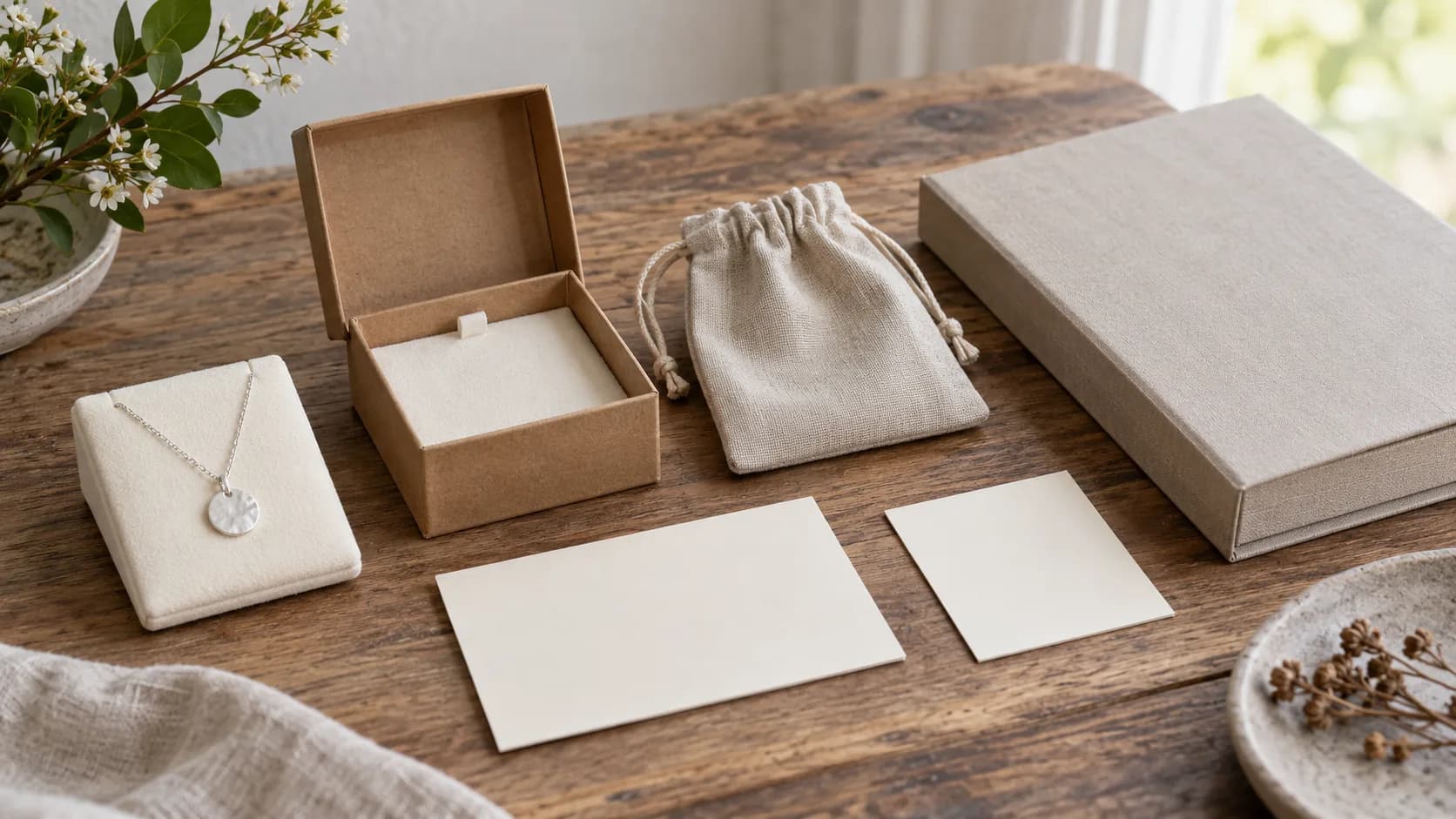
Verify the card, pouch, box, insert, care information, artwork, SKU label and packing arrangement for the new order. A changed insert can affect fit even when the jewelry stays the same. Reconcile leftover packaging against the current artwork and intended SKU before using it. Ask the brand's identifier owner whether a change affects barcode or product identification requirements, following the relevant GS1 rules where GS1 identifiers are used. Do not assume every packaging change requires a new number or that every old number remains valid.
Reconfirm the destination, sales channel, claims and required documentation. The European Commission reported the application of new packaging rules from August 12, 2026, with specific measures on different timelines. An earlier packaging approval is therefore not a reason to ignore a current-market review. Treat this as a prompt to confirm applicable requirements with the responsible party, not as a declaration that the pictured box or any existing Zalson product complies. Use the private-label packaging checklist to keep these decisions separate from the jewelry's design approval.
Evidence: GS1; European Commission
Inspect this lot
Update the quality plan and release the new batch on its own evidence
Carry forward relevant inspection criteria and add checks for approved changes or previous corrective actions. Define the new lot, selection and coverage, controlling references, evidence and release owner. A historical test report should be assessed for relevance to the current material, configuration, method and claim. Do not relabel an old report as evidence that the new batch was tested, and do not assume a first-run sample authorizes shipment of later goods.
Use the jewelry quality control plan to organize this batch's review. Keep any discrepancy attached to the affected units or lot, agree disposition and record reinspection where required. At receiving, compare the goods and packing against the acknowledged order and agreed evidence. This closes the loop without assuming that an unchanged sales SKU erases batch identity. Preserve release records and useful observations for the next replenishment request.
A repeatable handoff
Follow a change-based reorder release workflow
Make the new order review proportionate to the differences and uncertainties actually identified. A confirmed unchanged specification with usable references may need a different review from a changed stone, clasp or setting. Record why a sample or additional evidence is required, and keep any unresolved point outside production authorization. Commercial confirmation and technical approval should refer to the same intended configuration.
The sequence below produces a new controlled order while preserving its connection to the original product. Do not compress it into 'repeat the last invoice' or stretch every quantity adjustment into a full new design process. The manufacturer should acknowledge the approved references, current terms and any exceptions before the agreed release gate is considered complete.
1. Retrieve
Collect the latest released files, sample reference and first-run correction history.
2. Declare
Reconcile variants and ask the manufacturer to disclose changed or unavailable inputs.
3. Review
Agree the effect of changes and any CAD, sample, packing or evidence review.
4. Confirm
Accept the current quote and document the buyer's approval of the effective revision.
5. Order and inspect
Issue an acknowledged PO; check the new lot against its agreed quality plan.
6. Release and archive
Record the release decision, batch references and feedback for the next reorder.
Send a usable repeat-order request
Prepare a reorder worksheet for Zalson Jewelry
Your request can say: 'Please quote the attached variant quantities against the named approved product and packaging revisions. Confirm reference availability and identify any proposed material, component, finish or process changes. State the review or samples needed before release, and confirm the current price, quantity basis and delivery proposal separately.' Add the previous order reference, destination and requested schedule. This is a buyer enquiry template, not a guarantee that the old configuration can be repeated.
Use the custom jewelry RFQ checklist if the baseline is incomplete. For an existing Zalson catalog piece, supply its actual product URL and the features you want to repeat or review; do not rewrite its published material record. Ask the team to distinguish a catalog enquiry from repeating your own approved custom style. The references below illustrate chain, stone and packaging decisions, without implying that they are items from a customer reorder or proof of batch consistency.
| Record | Attach or state | Open decision |
|---|---|---|
| Baseline | Previous PO plus final product, CAD, sample and packaging IDs | Which reference governs conflicting files? |
| New assortment | SKU/variant quantities and current destination | How does the split affect the proposal? |
| Change declaration | Unchanged inputs and every proposed substitute | What requires approval or sampling? |
| Commercial terms | Current quote, validity, exclusions and delivery proposal | What has changed from the prior order? |
| Quality and release | Checks, new lot evidence and named decision owner | What must close before shipment? |
| Next-cycle archive | New revision, batch, inspection and feedback records | Which corrections become permanent? |
Catalog references
Related products
These real catalog products are visual and construction references for specification discussions. Their published product data is unchanged; they are not presented as the exact product used in this guide.
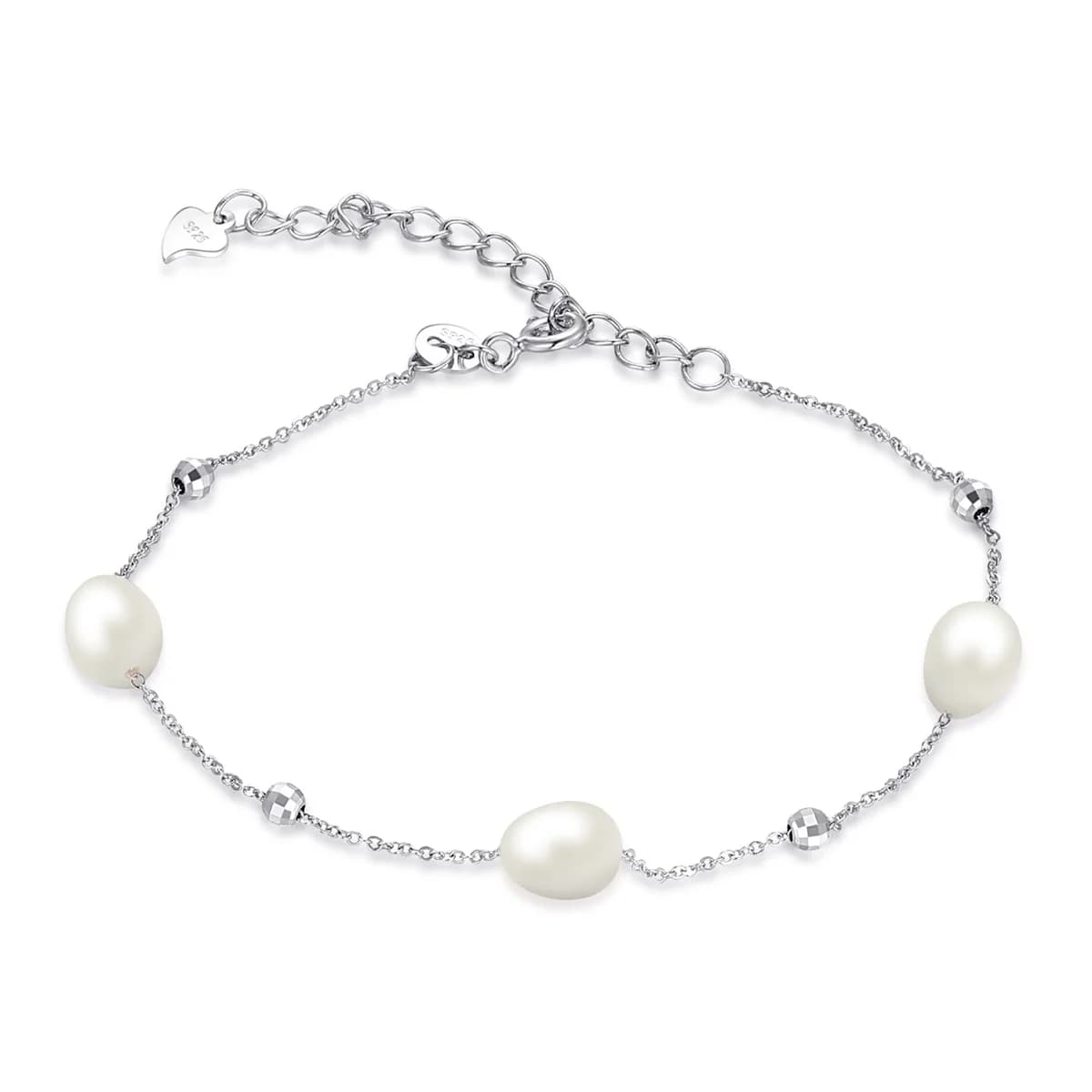
Delicate O-Link Chain Baroque Pearl Heart Tag Bracelet
S925 Sterling Silver, Rhodium Plated, Baroque Pearl
View product →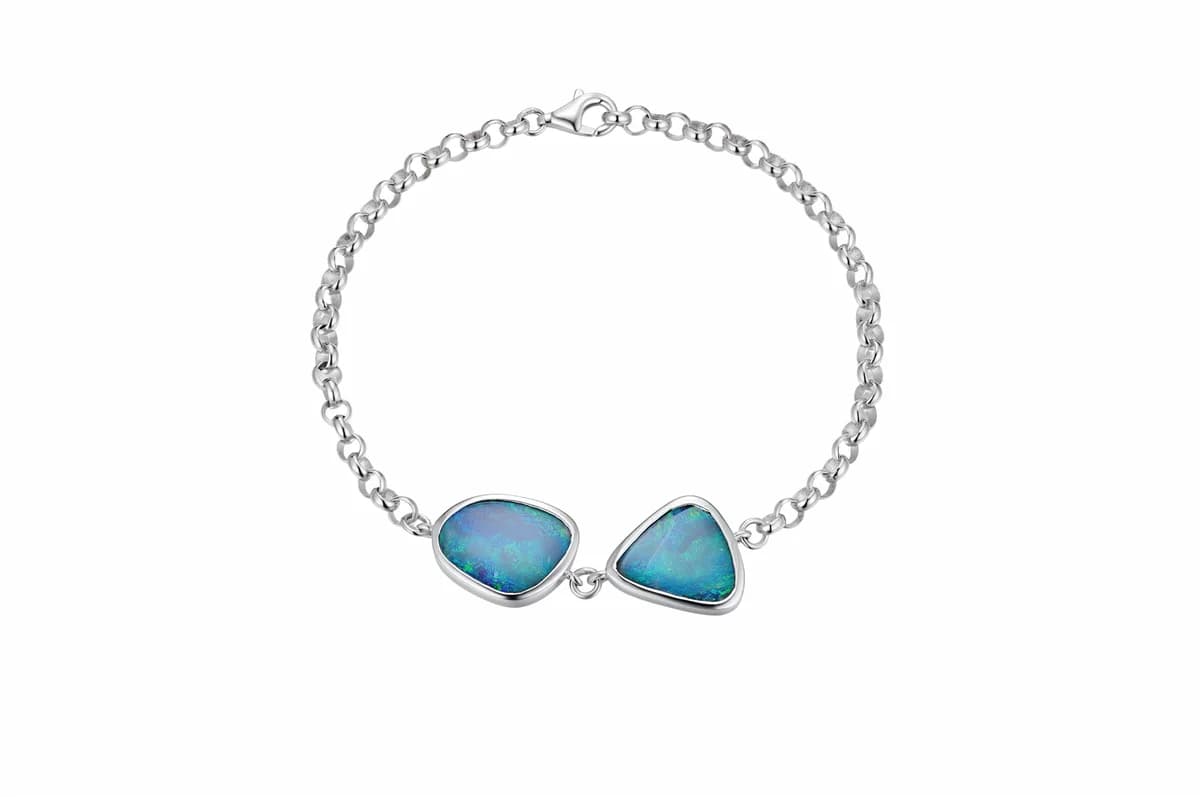
Two Freeform Blue-Green Play-of-Color Natural Opal Oval Cable Chain Adjustable Solid Sterling Silver Bracelet
S925 Sterling Silver, Natural Australian Opal, Freeform Bezel-Set
View product →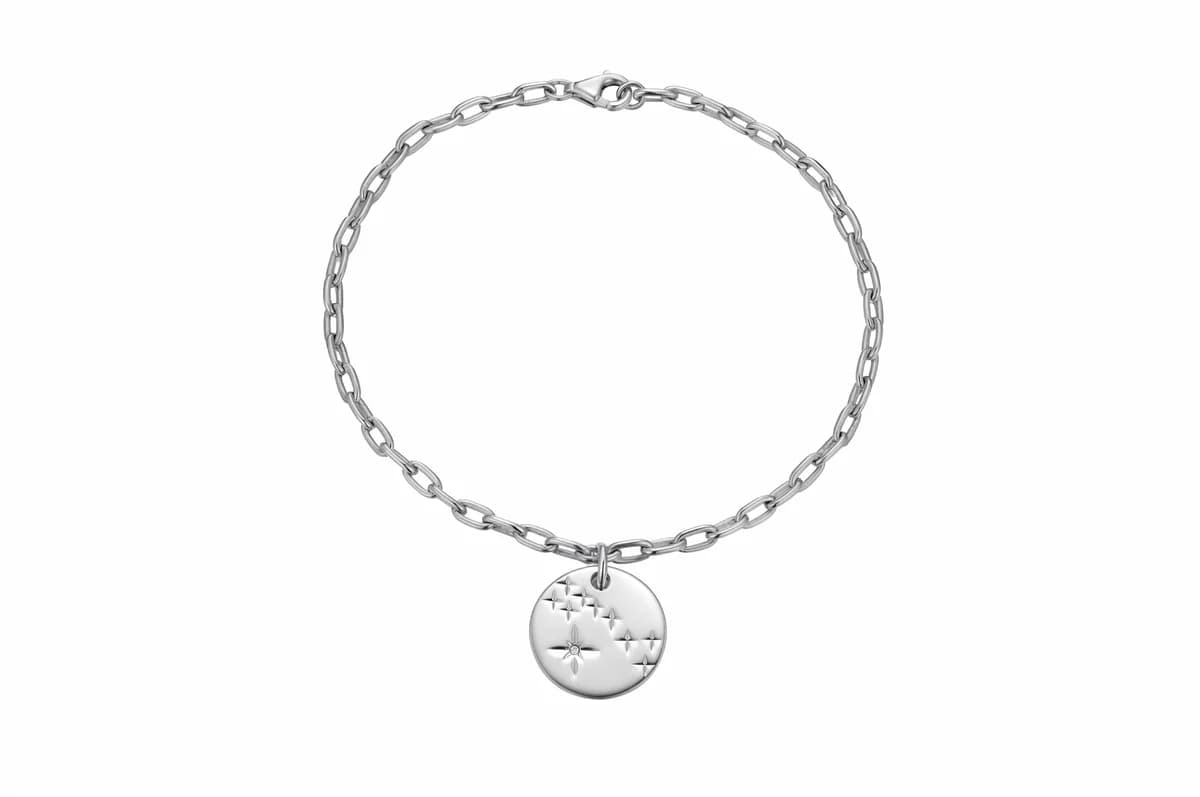
Thick Solid Starburst Embossed Disc Charm Paperclip Chain Clasp Solid Sterling Silver Bracelet
S925 Sterling Silver, Embossed Disc Charm, Paperclip Chain
View product →FAQ
Frequently asked questions
Can I reorder jewelry using only the old invoice?
Use the invoice or previous PO as an order reference, then attach the latest approved product, CAD, sample and packaging records. Include variant quantities, corrections and current requirements. An invoice alone may not identify the effective manufacturing version.
Does every jewelry reorder need a new sample?
No universal rule applies. Review the changes, reference condition, availability and uncertainty with the manufacturer. Agree proportionate CAD, sample, packing or evidence checks where needed before releasing the affected production work.
Can natural gemstones and pearls match the first batch exactly?
Do not assume exact matching. Natural materials can vary in appearance. Define the relevant characteristics, reference range, selection and comparison method for the project, and confirm what variation the buyer will accept without inventing a universal tolerance.
What if the original clasp or component is unavailable?
Require a proposed substitution identifying the original and replacement, affected variants and potential impact. Agree any specification, sample, evidence, cost or schedule review and obtain the buyer's explicit approval before the substitute enters production.
Do the first order's price, delivery terms and test reports automatically apply?
No. Obtain current commercial confirmation and review whether historical evidence remains relevant to the new configuration and claim. Keep the new lot's inspection records separate; an old report does not show that the repeat batch itself was tested.
Expert review
Zalson Jewelry Product Development & Quality Team
Technical editorial team
Editorial review covers buyer-side quality planning, inspection records, repeat-order references and project-specific change control. This guide is not an inspection report or a statement of laboratory accreditation.
Zalson Jewelry is operated by Guangzhou Zalson Jewelry Co., Ltd., established in Guangzhou in 2017. Content is reviewed by the team rather than attributed to an individual spokesperson.
Sources and further reading
- 1Silverbene: How to Use Approved Samples to Control Repeat-Order Quality ↗
- 2SSJew: Jewelry Reordering Guide: Maintain Consistency Across Repeat Orders ↗
- 3DinHuey Jewelry: Custom Jewelry Reorders: Keep the Next Batch Aligned with the First ↗
- 4TY Jewelry: Jewelry Reorders: Colour, Components and Specifications ↗
- 5GS1: Ten Steps to Barcode Your Product ↗
- 6European Commission: New Packaging Rules for Less Waste and Easier Recycling ↗
- 7World Gold Council: Gold Demand Trends: Q2 2026 — Jewellery ↗
Planning a repeat order?