Quality Planning
Jewelry Quality Control Plan for Custom Orders: A Buyer’s Guide
A jewelry quality control plan turns an approved design into checks that a buyer and manufacturer can actually perform. It identifies the product version, the features that matter, the method used to review them and the person authorized to resolve a mismatch. For a small brand or sourcing team, this prevents a beautiful sample from becoming the only instruction for an entire order. This guide explains how to prepare a project-specific plan for custom jewelry, from incoming components through packing and shipment release. It also separates visual review from material evidence, sampling from individual inspection, and an inspection finding from the commercial decision to accept goods.
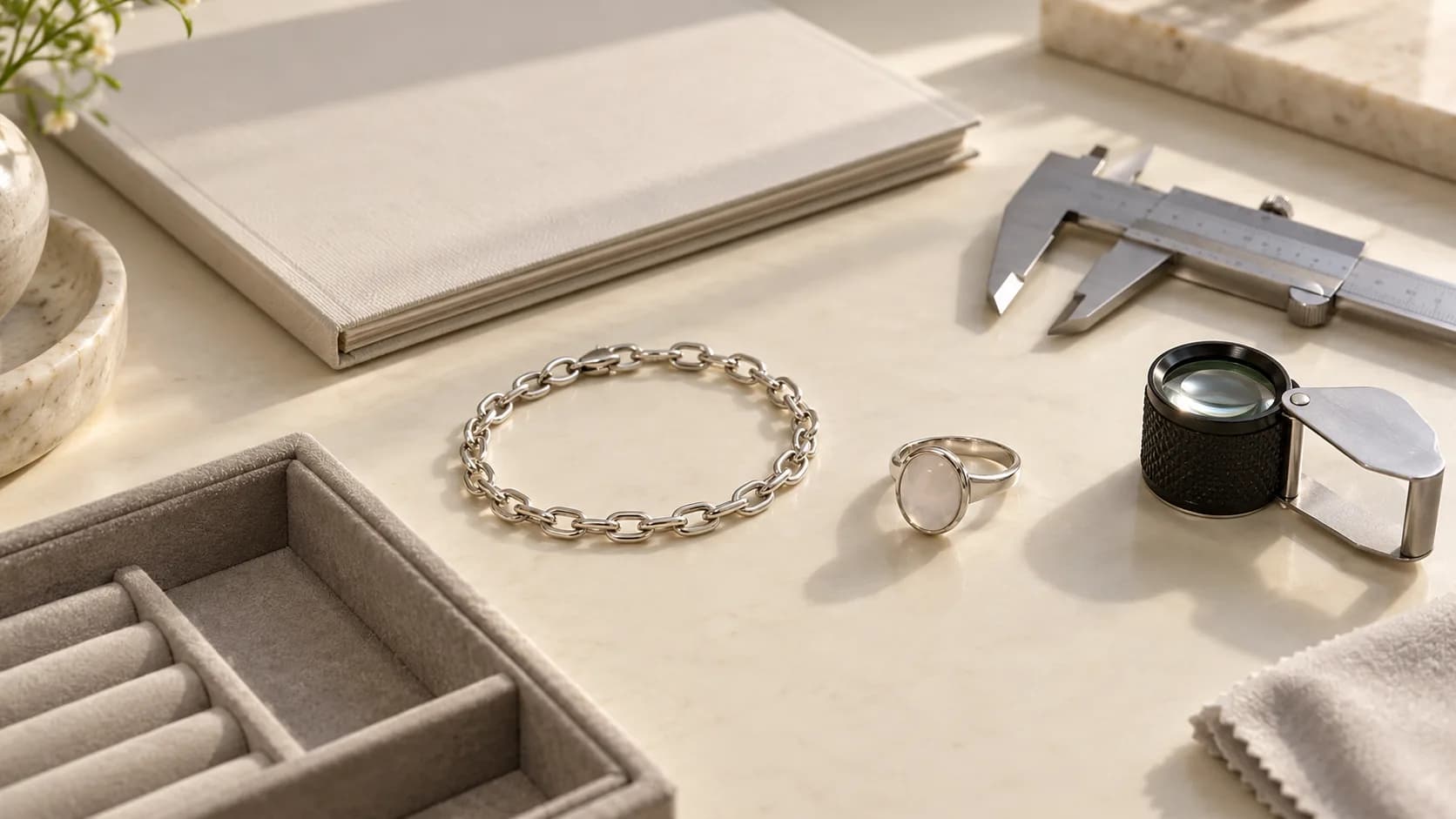
TL;DRThe short answer
Write the quality plan before production. Identify the released specification and sample, assign product-specific checks to incoming, in-process, finished-goods and packing stages, agree acceptance criteria and sampling where applicable, and name the decision owner. Record failures by lot, hold affected goods, document corrective action and reinspection, and release only against the agreed evidence. No single AQL, tolerance or test method fits every jewelry order.
Direct answer
What should a jewelry quality control plan include?
A jewelry quality control plan should identify the approved product revision, critical features, inspection stages, checking methods, acceptance criteria, sampling scope, evidence records and release authority. It should also define how failed goods are held, corrected and reinspected. Material or destination-market testing needs its own agreed scope; an appearance check does not prove chemical composition or compliance.
Decision summary
Key takeaways
- Agree the product, criteria, method, coverage, evidence and decision owner for each check.
- Schedule a check before the next production step makes a problem harder to correct.
- Separate appearance, function, material identity and market evidence: each answers a different question.
- Choose a sampling or individual-inspection scope for the actual order rather than copying an AQL number.
- Keep failed lots on hold until a documented disposition and any required reinspection are complete.
Define the job
Quality assurance, quality control and final inspection have different roles
Quality assurance concerns the arrangements that make requirements consistently achievable: approved instructions, competent work, controlled revisions and a process for resolving changes. Quality control checks whether the actual work meets those requirements. Final inspection is one checkpoint within that wider system. The distinction matters when a supplier offers a final photo review but the buyer needs control over a component that will be hidden after assembly.
In a jewelry project, translate the distinction into decisions. Who confirms the current drawing? When is a casting feature reviewed? Which finished surfaces are compared to the reference? Who decides whether a packing discrepancy prevents release? Agree these responsibilities while the specification is being finalized. A certificate about an organization, an approved development sample and a finished-lot report have different scopes; none should be presented as a substitute for the others.
| Activity | Question it answers | Useful record | Boundary |
|---|---|---|---|
| Quality assurance | Are the agreed requirements and working controls defined? | Released files, responsibilities and change procedure | Does not itself inspect every finished piece |
| Quality control | Does this feature or production step meet its criteria? | Check record linked to item, revision and lot | Only proves the checks actually performed |
| Final inspection | What was found in the defined finished lot? | Inspection scope, findings and disposition | Cannot recover missing upstream evidence |
Evidence: ASQ
Freeze the reference
Build the jewelry quality control plan from the released files
Give the plan its own identifier and revision. Connect it to the style and SKU, accepted PO, final tech pack, released CAD, identified approved sample, finish reference and packaging instruction. Include the approval dates and conditions. If the sample contains a feature that the drawing does not describe, resolve the conflict before selecting an inspection criterion. Otherwise two inspectors can reach opposite decisions while using different references.
An older quote, render or photograph can help explain design intent, but it should not silently override the released record. Use the jewelry tech pack guide to organize the baseline, the CAD approval checklist to close geometry questions and the sample approval checklist to identify the accepted physical reference. State the record that governs each characteristic, including any approved limit sample. Changes to material, setting, finish or packaging should trigger a review of the affected checks.
- Plan ID, revision, date and responsible contacts
- Style/SKU, variants, ordered quantity and lot definition
- Tech pack, CAD, PO and sample approval references
- Finish/color reference and packaging/artwork version
- Open issues, decision owner and release condition
- Approved changes with effective batch or date
Prioritize the actual product
Map critical features to the stage where they can be checked
Critical-to-quality features are the characteristics whose failure would matter to this design, wearer, sales channel or claim. A pendant chain, hinged cuff and densely stone-set ring need different attention. Make a feature list, explain why each feature matters and agree when it remains accessible. A solder joint may be easier to assess before plating; an insert can be checked before a full pack-out hides an incorrect fit.
Incoming checks establish that received components and supporting records correspond to the approved inputs. In-process checks address work before a later operation conceals it. Finished-goods checks assess the assembled product, while pre-shipment checks reconcile the inspected lot with quantity, labels and cartons. Assign an owner and evidence requirement to each stage. This is a proposed buyer planning method, not a claim that every Zalson project follows an identical inspection sequence.
| Stage | Possible focus | Reference | Decision before continuing |
|---|---|---|---|
| Incoming | Metal inputs, stones, findings and packaging | Approved bill of materials and supplier records | Resolve missing identity or component mismatch |
| In process | Casting, joints, stone seats and surface preparation | Released drawing and workmanship criteria | Correct the feature while it is accessible |
| Finished goods | Dimensions, function, setting and finish | Approved sample and inspection plan | Identify the conforming or held lot |
| Pre-shipment | Counts, SKU labels, pack-out and cartons | PO and released packing instruction | Reconcile goods and evidence before release |
Evidence: CCK Jewelry; BJM Jewelry
Inspect the assembled piece
Specify appearance, dimensions, weight, structure and function separately
For dimensions, identify the points being measured, the sizing system, the agreed tolerance and the measurement method. A chain's overall length, usable fastening length and extension length are not interchangeable. For weight, specify whether the reference includes stones or accessories and how variants are distinguished. Neither dimensions nor weight should acquire a universal tolerance merely because the material is S925 sterling silver.
For function, define the intended movement and a suitable checking procedure for clasps, hinges, posts, backs and threaded components. Identify solder joints, jump rings, sharp edges, interference and snagging concerns. Visual review and functional checks should have separate findings. If strength, repeated operation or wear testing is required, agree the method, coverage and consequences for the inspected pieces before testing. Do not improvise loads or cycle counts from a photograph.
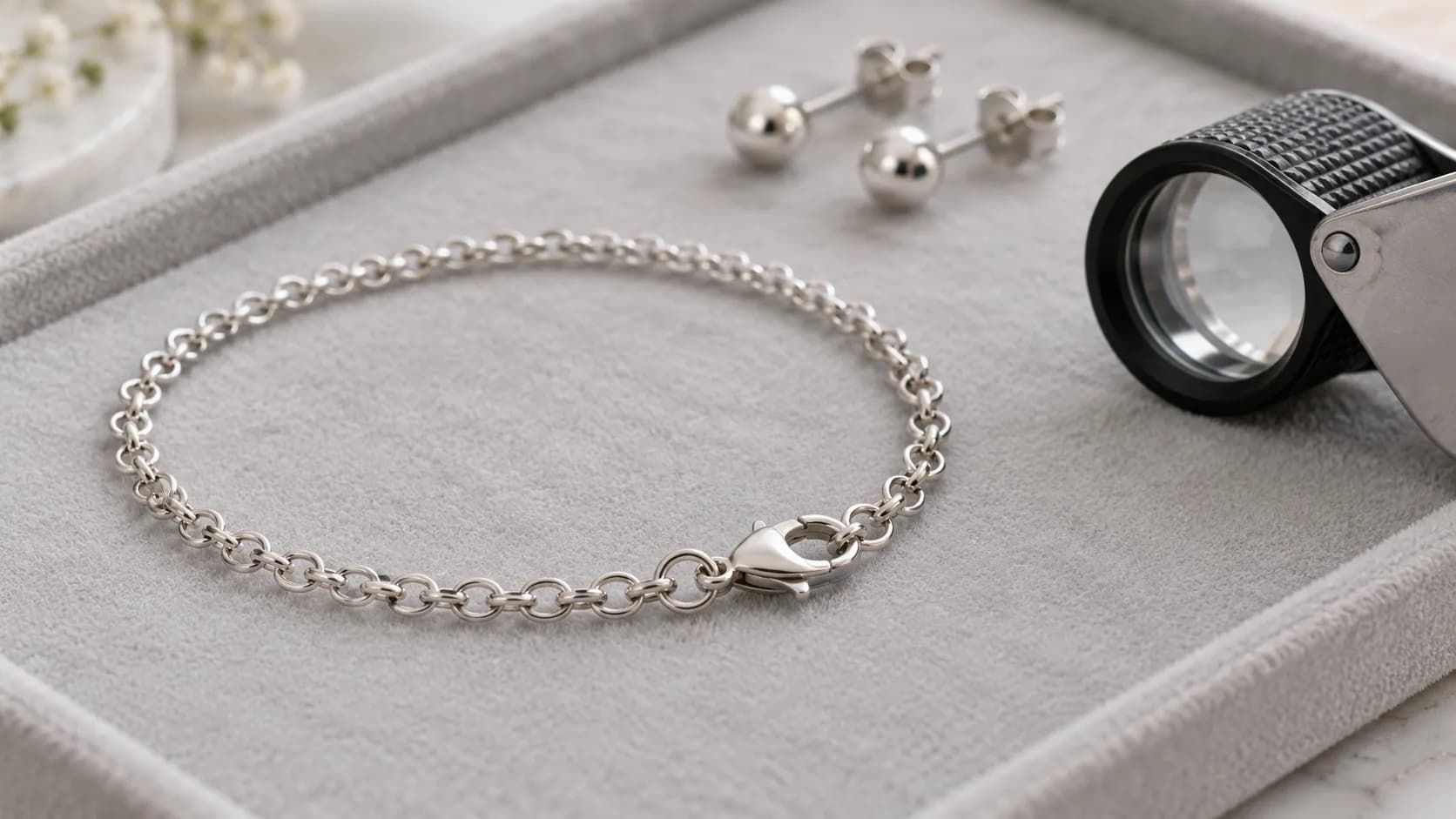
Separate visible quality from identity
Check setting, finish and material evidence without overstating the result
A setting review can consider missing or damaged stones, placement, seating and visibly inconsistent contact appropriate to the setting. GIA's stone-loss guidance shows why workmanship benchmarks must relate to a particular setting construction. Its illustrated prong examples are not universal dimensions for every bezel, pavé ring or pearl attachment. Ask the manufacturer to define the relevant check and escalate a suspect setting rather than guessing a force test that could damage the piece.
Treat gemstone identity, treatments and pearl descriptions as separate evidence questions. An attractive appearance or a secure setting does not establish a stone's identity. Likewise, an engraved fineness mark is not a chemical analysis. Connect any requested material or laboratory evidence to the actual item or sampled lot and agreed claim. For finish, map polished, brushed, matte, textured and oxidized areas; compare plating color and coverage, recesses, joints and masked boundaries under agreed conditions. The plating specification guide explains how to document those references without inventing performance guarantees.
Evidence: GIA
Agree the decision rule
Choose sampling, individual checks and defect classes for the order
Acceptance sampling uses selected units to make a decision about a defined lot. It is not a promise that each unexamined item is conforming. ASQ describes ANSI/ASQ Z1.4 as an attributes-based acceptance system with specified AQL and switching rules. A buyer requesting such a plan should name the applicable standard and edition, lot basis, inspection level, selection method and decision rules with the qualified inspector. This guide supplies no default AQL or sample count.
A 100% check applies the named check to every unit; it still does not cover features outside that method. Destructive testing can consume or alter its samples and must be planned separately from saleable-goods inspection. For defect classes, agree examples and consequences before a dispute occurs. Potential safety concerns need appropriate escalation. Distinguish a functional failure from an appearance deviation, and record severity independently of the corrective action. The same mark can matter differently on a display face, hidden area or intentionally textured surface.
| Choice or class | Purpose | Must be agreed | Do not assume |
|---|---|---|---|
| Acceptance sampling | Decide whether a defined lot meets its decision rule | Lot, random selection, standard/edition and acceptance rules | Every unit has been examined |
| 100% named check | Check that characteristic on every unit | Procedure, coverage, record and failure action | All possible defects or material claims are covered |
| Destructive test | Assess a characteristic through an altering method | Sample allocation, method and disposition | Tested units remain suitable for sale |
| Critical defect | Identify the agreed most serious risk | Safety/regulatory relevance and mandatory escalation | A universal example list fits every design |
| Major defect | Identify substantial departure from intended use or specification | Product-specific examples and acceptance decision | An internet AQL is the contract |
| Minor defect | Identify a lower-severity departure | Location, extent and agreed boundary | Minor means automatically acceptable |
Evidence: ASQ
Review the complete sellable unit
Connect marks, labels and pack-out to current market requirements
Compare logo position, artwork and any material mark with the released record and applicable requirements. Reconcile each SKU with its label, product, insert, pouch or box, accessories and carton count. If the brand uses barcodes, require the brand's approved identifiers and agreed scan check; do not generate numbers merely to complete a packing sheet. A mixed assortment should show which packaging version serves each line and whether the components provide the agreed protection.
Keep destination-market requirements in a dated evidence register with the responsible party. State which product, material, claim and packaging configuration a document covers. The European Commission's August 2026 packaging update is a current reason to review packaging obligations on EU-bound orders, but its individual requirements have different application dates and scopes. Obtain the applicable details from the responsible importer or specialist. A quality checklist alone cannot establish legal compliance or replace an appropriate test report.
Evidence: European Commission
Make the finding traceable
Record the inspection and hold affected goods before disposition
The report should identify the PO, product revision, style/SKU, lot, ordered and available quantity, inspection date and inspector. State how units were selected, which checks were performed and which were outside scope. Attach labeled observations, measurements where taken, comparison photographs, defect counts by agreed category and the decision against the plan. A 'passed' stamp without scope does not tell a receiving team what was checked.
When a mismatch is found, identify and segregate the affected goods so they cannot be mixed into a released lot. Record the proposed remedy: rework, replacement, further evidence, an authorized concession or rejection. A commercial concession must name its scope, approver and conditions; it cannot waive mandatory obligations. After correction, agree and record reinspection before release. Keep the original finding and correction history rather than replacing the failed report with a clean-looking file.
- Identity: PO, style/SKU, revision, lot and quantity
- Scope: selected units, method, criteria and limitations
- Findings: measurements, photos and defect classification
- Decision: hold, rework, concession, rejection or release
- Follow-up: correction, reinspection and responsible approver
- Archive: original findings linked to the final disposition
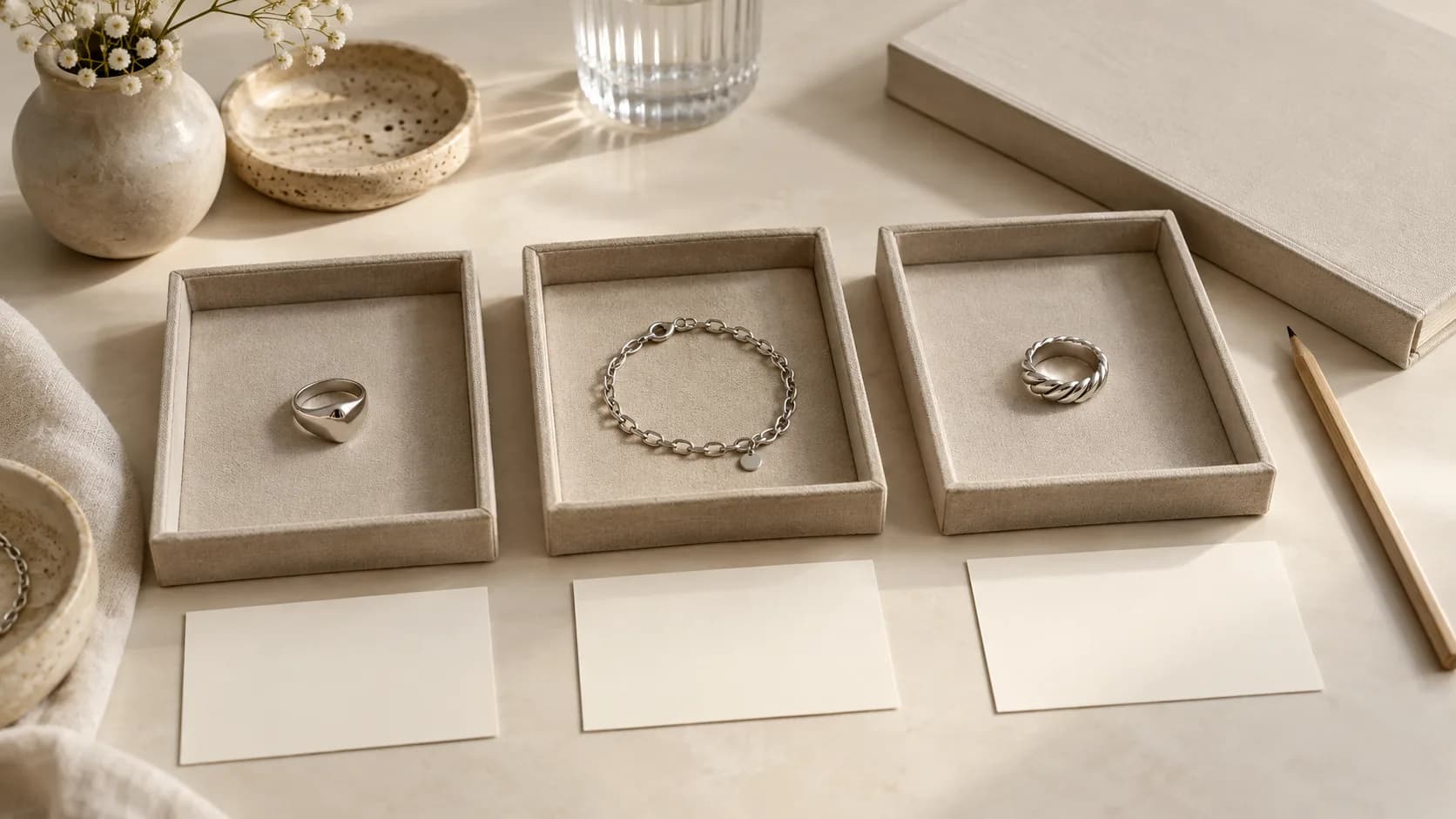
From plan to shipment
Use a documented quality release workflow
The buyer defines intended use, channel, market and acceptance expectations; the manufacturer confirms feasible checks and performs the agreed production controls. If a third-party inspector or laboratory is involved, its assignment must identify the goods, method and reporting scope. Name who can authorize a release and who can approve a change. An inspector's report and a buyer's commercial acceptance are related decisions, not interchangeable signatures.
This workflow keeps evidence attached to the stage it supports. Close specifications before work, record checks while they are possible, contain discrepancies and preserve the final decision. Carry unresolved issues into an explicit hold rather than letting a shipping deadline silently become permission. Use the purchase order checklist to tie this technical gate to the acknowledged order and the reorder checklist to preserve the learning for a later run.
1. Freeze references
Identify the released files, sample, variants and packaging configuration.
2. Agree checks
Set feature-specific criteria, stages, methods, coverage, evidence and responsibilities.
3. Inspect and record
Perform the agreed checks and connect observations to the defined lot.
4. Hold discrepancies
Identify affected goods, preserve findings and obtain an authorized disposition.
5. Correct and recheck
Document the remedy and any required reinspection before clearing the hold.
6. Release and retain
Record the release owner, scope and date; archive the evidence for receiving and reorders.
Prepare a focused enquiry
Send a quality planning worksheet with your Zalson project brief
For each important feature, prepare one row containing: feature and reason for checking; controlling file or sample; proposed method; agreed acceptance criterion; stage and inspection scope; evidence required; check owner; and failure action. Mark unanswered fields as open decisions. For example, a clasp row might identify the approved component and intended movement while leaving the actual test method for manufacturer review. Do not fill gaps with invented tolerances.
Zalson Jewelry is a Guangzhou business established in 2017 with a published development route that includes CAD, sampling, manufacturing, quality control and packaging. Send a catalog reference or your own controlled brief, variant quantities and destination market through the custom jewelry RFQ checklist and quote route. Ask the team to confirm the feasible quality scope, available evidence and any separate inspection or testing arrangement for that project. The catalog references below illustrate construction questions; they are not inspected lots or proof of testing.
| Feature / reference | Method / acceptance | Stage / coverage | Evidence / decision |
|---|---|---|---|
| Clasp and component revision | Confirm procedure and acceptance condition | Agree stage and unit coverage | Function record; named failure action |
| Setting and approved sample | Confirm setting-specific review | Agree access and inspection scope | Labeled findings; escalation if suspect |
| Finish map and color reference | Agree comparison conditions | Before and after assembly as applicable | Comparison record; affected-lot decision |
| SKU and packaging version | Agree count, identifier and fit checks | Packing and pre-shipment | Pack-out evidence; correction and recheck |
Catalog references
Related products
These real catalog products are visual and construction references for specification discussions. Their published product data is unchanged; they are not presented as the exact product used in this guide.
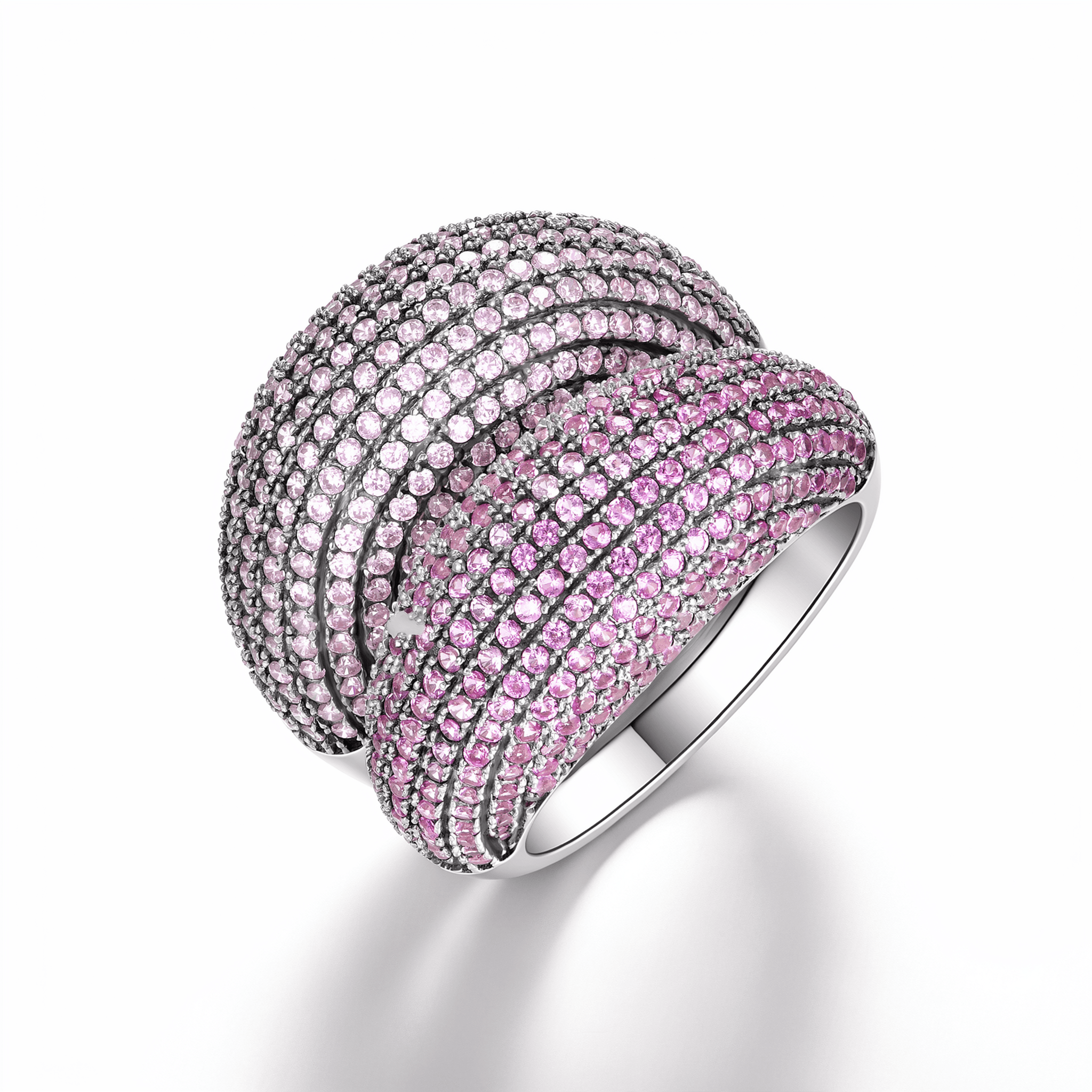
Pink CZ Swirl Twist Pave Cocktail Ring
S925 Sterling Silver, Rhodium Plated, Full Pave Pink CZ
View product →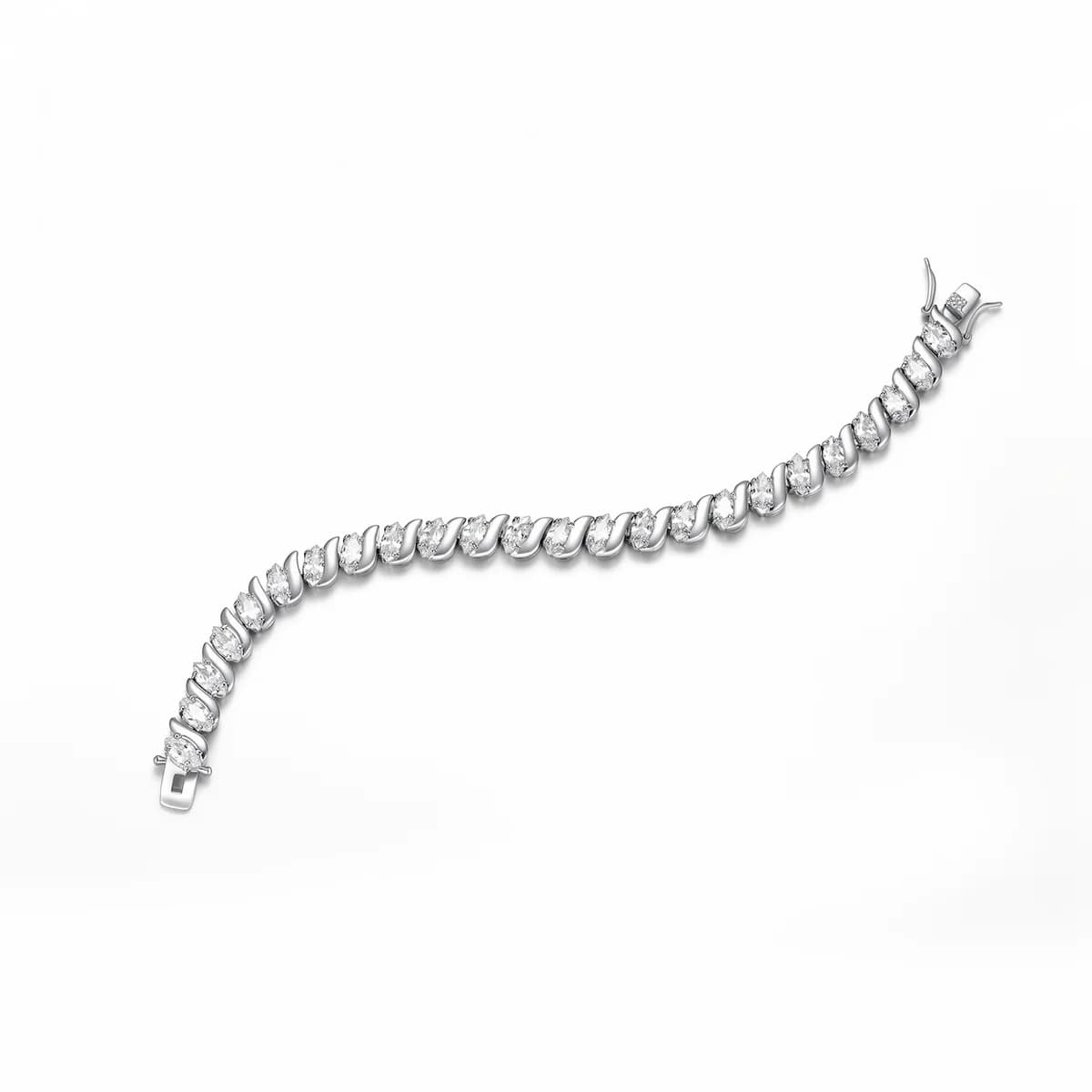
Luxury S-shaped Twist Full Diamond 925 Sterling Silver Tennis Bracelet
S925 Sterling Silver, Full Pavé High-Shine Zircon, Safety Clasp
View product →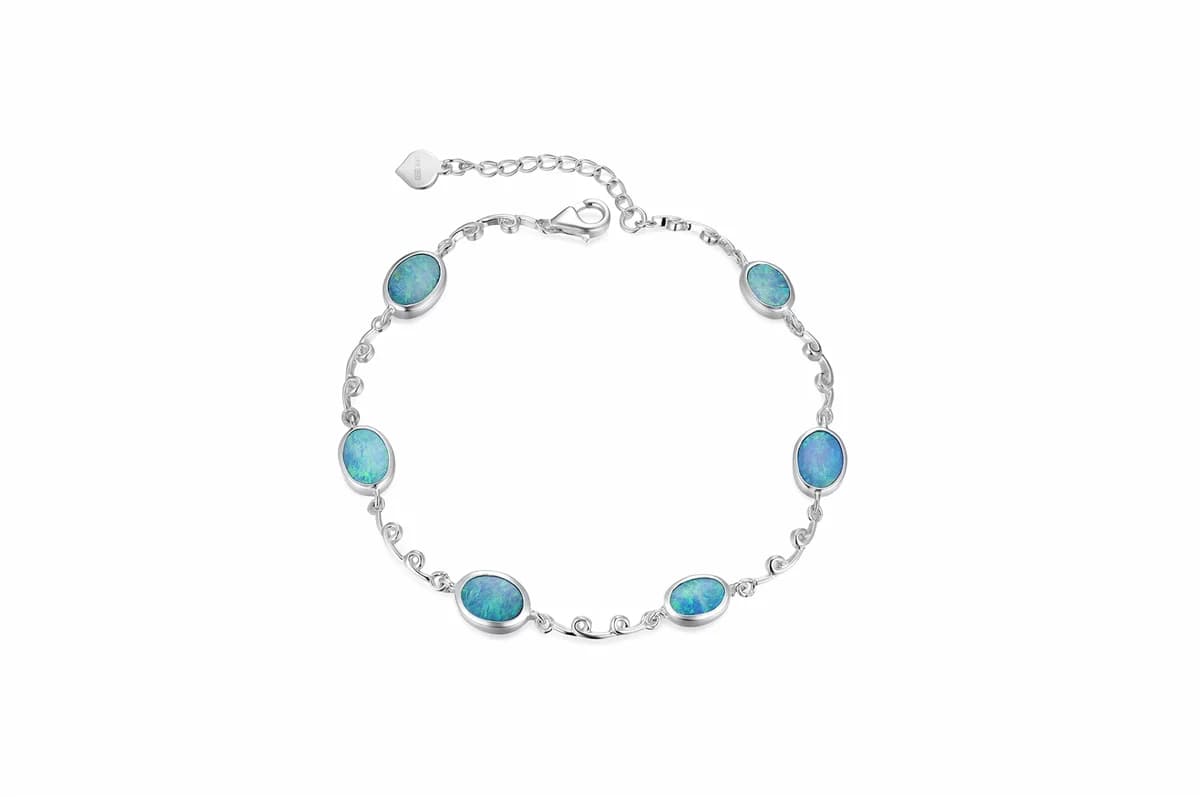
Six-Stone Gradient Color Play Oval Bezel-Set Natural Opal Heart Charm Solid Sterling Silver Adjustable Bracelet
S925 Sterling Silver, Natural Australian Opal, Bezel-Set
View product →FAQ
Frequently asked questions
Is a final inspection enough for a custom jewelry order?
Not always. Final inspection can assess the defined finished lot, but checks needed before assembly or finishing may no longer be possible. Agree incoming, in-process, finished-goods and packing checkpoints for the product's actual risks.
Which AQL should a jewelry buyer use?
There is no universal AQL for all jewelry. Agree the applicable standard and edition, lot definition, inspection level, selection method, defect categories and decision rules with the manufacturer or qualified inspector. AQL sampling is not a guarantee that every unit is defect-free.
Does checking every piece prove the material or plating performance?
Only the characteristics covered by the agreed checking method are assessed. Visual or functional checks do not independently establish chemical composition, coating performance or destination-market compliance. Those questions require appropriate evidence and a separate agreed scope.
What happens when jewelry fails its agreed inspection?
Identify and hold the affected goods, preserve the findings and obtain an authorized disposition. Document any rework, replacement, concession or rejection and complete required reinspection before release. A concession cannot override mandatory obligations.
Who should authorize shipment release?
Name the release authority in the order and quality plan. The manufacturer supplies agreed production records; a third-party inspector reports within its assignment; the designated decision owner confirms release against the agreed evidence and closed exceptions.
Expert review
Zalson Jewelry Product Development & Quality Team
Technical editorial team
Editorial review covers buyer-side quality planning, inspection records, repeat-order references and project-specific change control. This guide is not an inspection report or a statement of laboratory accreditation.
Zalson Jewelry is operated by Guangzhou Zalson Jewelry Co., Ltd., established in Guangzhou in 2017. Content is reviewed by the team rather than attributed to an individual spokesperson.
Sources and further reading
- 1ASQ: Quality Assurance vs Quality Control ↗
- 2ASQ: ANSI/ASQ Z1.4 and Z1.9 Acceptance Sampling Standards ↗
- 3GIA: Bench Tip: Avoid Stone Loss with Quality Assurance Benchmarks ↗
- 4CCK Jewelry: OEM/ODM Jewelry Quality Control ↗
- 5BJM Jewelry: Jewelry Quality Control for Production and Repeat Orders ↗
- 6European Commission: New Packaging Rules for Less Waste and Easier Recycling ↗
Defining quality before production?