Design Change Control
Jewelry Design Change Request: How Brands Control Revisions
A jewelry design change request should make the next decision clearer, not replace the approved design with another ambiguous message. During development and a first production order, a different clasp, stone layout or pendant profile can affect several files and physical parts at once. The buyer needs to identify what is changing, what has already been made and who can authorize the response. This guide provides a blank request worksheet, stage comparisons and a release workflow for independent brands and sourcing teams. It separates a request from its impact assessment, approval and implementation, so an attractive revised render or a quick acknowledgment is not mistaken for permission to change every affected unit.

TL;DRThe short answer
Identify the current design, sample and order revisions before describing the proposed change. Compare old and new requirements, assess technical and commercial effects, and separate unstarted, purchased, in-process and completed work. Record the decision owner, status, affected quantities and verification needed. Release only the approved scope with updated files and recipient acknowledgment. A request, a proposed render and silence are not approvals; preserve earlier versions and verify implementation.
Direct answer
How should a brand submit a jewelry design change request?
Identify the current drawing, sample, specification and order, then describe the proposed change with a before-and-after comparison. Ask the supplier to assess affected components, work states, cost, quantities, verification and timing. Record a named decision and its limits before releasing updated files. Preserve prior versions, confirm recipients use the approved revision and verify the implemented result against the authorized scope.
Decision summary
Key takeaways
- Identify the current baseline before comparing the proposed design.
- A request, impact response, approval and implementation are separate records.
- Review purchased and in-process parts separately from unstarted or completed work.
- Authorization needs a named scope, affected units and verification route.
- A released file is not proof that every affected unit has been changed.
Separate clarification, correction, design change and substitution
Classify the issue before deciding what to do. A clarification resolves an uncertain instruction; a correction addresses a mismatch with the agreed reference; a design change proposes a different requirement; a substitution proposes another material or component. More than one category can apply, so describe the facts rather than using a label to decide responsibility. A supplier proposing another clasp because a component is unavailable still needs the affected product and approval scope identified.
Do not treat a proposed improvement as proof that the original sample was defective, or a reported defect as permission for an unrelated redesign. Record the observed difference, the current requirement and the requested outcome separately. The existing sample approval guide explains the physical review; this guide controls what happens when that review or a buyer decision creates a new request. Avoid deciding costs, refunds or other contractual rights from the category alone; those matters need the applicable agreement and, where necessary, qualified advice.
Identify the baseline that the proposed change would alter
Give the request its own identifier and connect it to the style, drawing or CAD revision, physical sample, specification, component list and order where one exists. Include the request date and source of the current baseline. If the design is still exploratory, say which proposed reference is being discussed and what has not been approved. A project name, an unversioned image and the phrase latest file are not enough to identify the starting point.
NASA's configuration-management guidance describes controlled references, evaluation of proposed changes and verification of approved implementation. Those are general record-control principles adapted here, not aerospace procedures imposed on a jewelry buyer. ISO 10007:2017 is also published as configuration-management guidance; its public scope does not certify this worksheet or Zalson's operations. Keep the request linked to identifiable records while choosing a practical level of control for the actual project.
Evidence: NASA; International Organization for Standardization
Describe the before-and-after requirement, not just a new picture
For each changed feature, show the current requirement, proposed outcome, reason and affected view or reference. Mark whether a dimension is a buyer requirement or a supplier proposal needing confirmation. If a measurement is not yet known, ask for a dimensioned proposal instead of inserting an invented number. Explain the intended result without prescribing an unreviewed manufacturing solution. A visual reference can communicate direction, but it cannot establish a material identity or hidden construction.
Consolidate feedback from design, buying and marketing into one numbered request. Resolve conflicting instructions before the supplier develops two incompatible responses. BJM's CAD/sample review and 925 Pro's revision discussion both emphasize specific feedback and controlled references; their project policies and numerical examples are not adopted here. Keep unchanged requirements visible as well, so a request to alter a bail does not accidentally release a different stone, finish or overall product size.

Evidence: BJM Jewelry; 925 Pro
Review the design stage and the physical work state separately
A request before CAD development differs from one after a sample has been approved, but the stage label alone does not explain the exposure. Ask what is unstarted, ordered, received, tooled, in process, completed or packed for the affected styles and quantities. Record the status as of a stated date. A sample may be awaiting buyer approval while some separately authorized material purchasing has already occurred; neither record should be assumed from the other.
Royi Sal's public FAQ explains that post-approval or production-stage changes may affect feasibility, development work, cost and time. Treat this as a manufacturer perspective, not a Zalson revision allowance or fee rule. Request a project-specific response for each affected work group. Keep existing work identified while the decision is pending, and agree whether any limited hold or continued work applies; do not imply that an email automatically stops every operation or changes the parties' contract.
| Stage | Records to review | Question before authorization |
|---|---|---|
| Before CAD | Current brief and proposed development scope | Does the new direction change the agreed work? |
| After CAD approval | Released views, dimensions and downstream trial | Which files and feasibility checks reopen? |
| After sample approval | Retained sample, component list and order | Which physical checks and commercial inputs change? |
| Production started | Affected purchased, in-process and completed quantities | What can change, what is held and what needs disposition? |
Evidence: Royi Sal
Trace effects across geometry, materials, checks and the commercial scope
Ask the supplier to identify direct and dependent effects. A different stone size may affect its seat and profile; a closure change may alter the finished length, handling and box fit; a finish change may require another appearance reference and evidence review. These are questions to evaluate, not assumed outcomes. Use the chain and clasp specification guide, gemstone guide and plating guide for the detailed inputs rather than restating their complete requirements inside the request.
Request separate answers for feasibility, tooling or development work, material allocation, unit or quantity effects, new sample or verification needs and the proposed schedule. Ask which assumptions remain open and when the assessment is valid. Include artwork, care information, packing and any claim supported by the changed component. Do not assume every revision increases price or that a small visual change is inexpensive. Obtain a revised quotation or written scope confirmation where needed before approving commercial consequences.
Use a blank request and impact worksheet
Keep the request, supplier assessment and buyer decision as distinguishable parts of one record. The requester states the desired change; the evaluator identifies consequences; the authorized decision owner accepts, rejects or requests more information. The blank fields below are not a completed approval or a contractual amendment. Duplicate rows for multiple features and attach marked references so the record remains usable without reconstructing a long conversation.
Record which affected quantities, components and work states the decision covers, including any planned split between versions. Give unresolved questions an owner and next review rather than marking the entire change approved with a vague note. The PO guide explains the order references and the lead-time guide handles dependency planning. Link their relevant versions to the request, then preserve the proposed versus acknowledged cost and date fields separately so an internal target is not mistaken for supplier confirmation.
| Record field | Request / current reference | Assessment / decision evidence |
|---|---|---|
| Identity | Request ID, date, style, order ___ | CAD / sample / specification revisions ___ |
| Changed feature | Current ___ → proposed ___; reason ___ | Marked view and unchanged requirements ___ |
| Affected work | Unstarted / purchased / in process / complete ___ | Quantities, locations and proposed disposition ___ |
| Technical impact | Components / structure / finish / packing ___ | Feasibility and dependent checks ___ |
| Commercial and timing impact | Requested cost / date basis ___ | Supplier response, assumptions and approval ___ |
| Decision | Pending / rejected / approved / limited scope ___ | Authority, quantities, conditions and date ___ |
| Release | New files / sample / recipients ___ | Acknowledgment, old-version control and verification ___ |
Decide explicitly what happens to alternative and existing parts
For a substitute chain, stone or finding, request its identity, differences, reason for proposal and effect on the product and evidence. Ask whether a new physical sample, fit review or test is needed before acceptance. Do not allow a supplier reference alone to stand for a technical equivalence decision. If an earlier material has already been purchased or assembled, keep its quantity and proposed treatment separate from the proposed new version.
Possible dispositions may include continued use within an agreed scope, rework, separate retention or another mutually confirmed action; none is prescribed automatically here. A mixed-version first order requires explicit buyer acceptance, identification, packing and receiving instructions if it is to proceed. Do not blend versions silently to meet a quantity. Cost allocation, cancellation, ownership of tooling or files and disposal obligations must be resolved through the applicable agreement, not inferred from this editorial checklist.

Release updated records, then verify the implemented result
Issue an identified new file set with a change summary and the authorized effective scope. Include drawings, component and stone schedules, finish references, sample notes, packaging and inspection instructions where affected. Preserve prior versions as history and mark them as superseded for the relevant work; do not delete evidence of what was approved earlier. Ask recipients to acknowledge the released revision and explain how outdated workshop or packing copies are prevented from controlling the next step.
Document release and physical implementation are different events. Obtain the agreed revised sample or other verification, compare it with the approved change and close dependent checks before the next authorized gate. DinHuey's sample guide distinguishes a retained reference from bulk acceptance; the same boundary matters after a change. Keep open verification visible in the quality plan, and review shipment records if quantities or packing change. The supplier sending a new filename does not by itself prove that every affected unit follows it.
Evidence: DinHuey Jewelry
Keep first-order change control distinct from general project visibility
Stuller's September 18, 2026 customization update describes routes from ideas, existing styles and customer files, with project visibility tools. The buyer-side inference is narrow: different starting points need a clearly identified current reference and decision stage. A status dashboard or email update does not replace the scope of a change approval. This is industry context, not a claim that Zalson operates Stuller's systems or offers the same service policies.
For the first order, close the transition from exploration to released configuration before assuming that future units can repeat it. The catalog references below remain unchanged examples for discussing product scope, not documented revision case studies. Once the initial baseline is established, the reorder checklist takes over the repeat-order review. Keep this request focused on the difference being proposed now, its affected work and the authorization needed, instead of attaching every earlier development conversation to each new message.
Evidence: Stuller
Send an actionable change brief and close the release loop
When discussing a Zalson project, send the current reference, the marked proposed change, known affected quantities, work stage and desired outcome. State what you need the team to assess and which matters remain unconfirmed. Existing designs can be useful starting references, but no catalog page establishes the feasibility, fee or timing of a new variation. Use the RFQ checklist when a revised scope needs a comparable quotation rather than asking the supplier to price an undefined redesign.
Before closing the request, check that the decision, released documents, recipient acknowledgment and verification all cover the same scope. Record any remaining action instead of calling the whole project approved. No fixed revision allowance, automatic fee or guaranteed turnaround is created by this workflow. Its value is a traceable decision chain: a buyer can see what was requested, what was assessed, what was authorized and what has actually been checked.
- Identify the current design, sample, specification and order revisions.
- Describe the exact change and preserve unchanged requirements.
- Obtain impact responses for technical scope, work states, cost, quantities and timing.
- Record the named approval, conditions and affected units before release.
- Publish controlled files, confirm receipt and verify implementation before closing.
1. Identify
Connect the request to its current approved or proposed baseline.
2. Compare
Mark the old and new requirements and the reason for change.
3. Assess
Review dependencies, physical work, evidence and commercial effects.
4. Decide
Record authority, status, quantities and any limited authorization.
5. Release
Issue the approved version and acknowledge affected recipients.
6. Verify
Check the implemented scope and close or retain open actions.
Catalog references
Related products
These real catalog products are visual and construction references for specification discussions. Their published product data is unchanged; they are not presented as the exact product used in this guide.

Pink CZ Swirl Twist Pave Cocktail Ring
S925 Sterling Silver, Rhodium Plated, Full Pave Pink CZ
View product →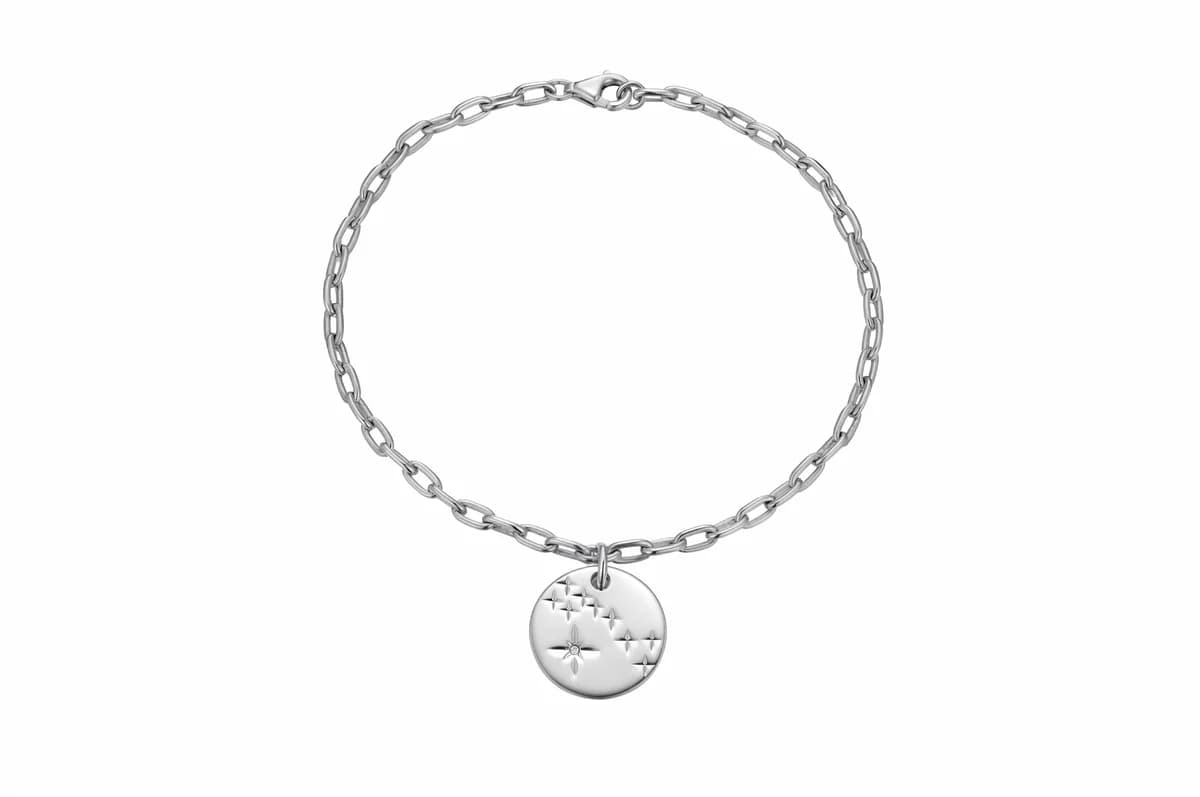
Thick Solid Starburst Embossed Disc Charm Paperclip Chain Clasp Solid Sterling Silver Bracelet
S925 Sterling Silver, Embossed Disc Charm, Paperclip Chain
View product →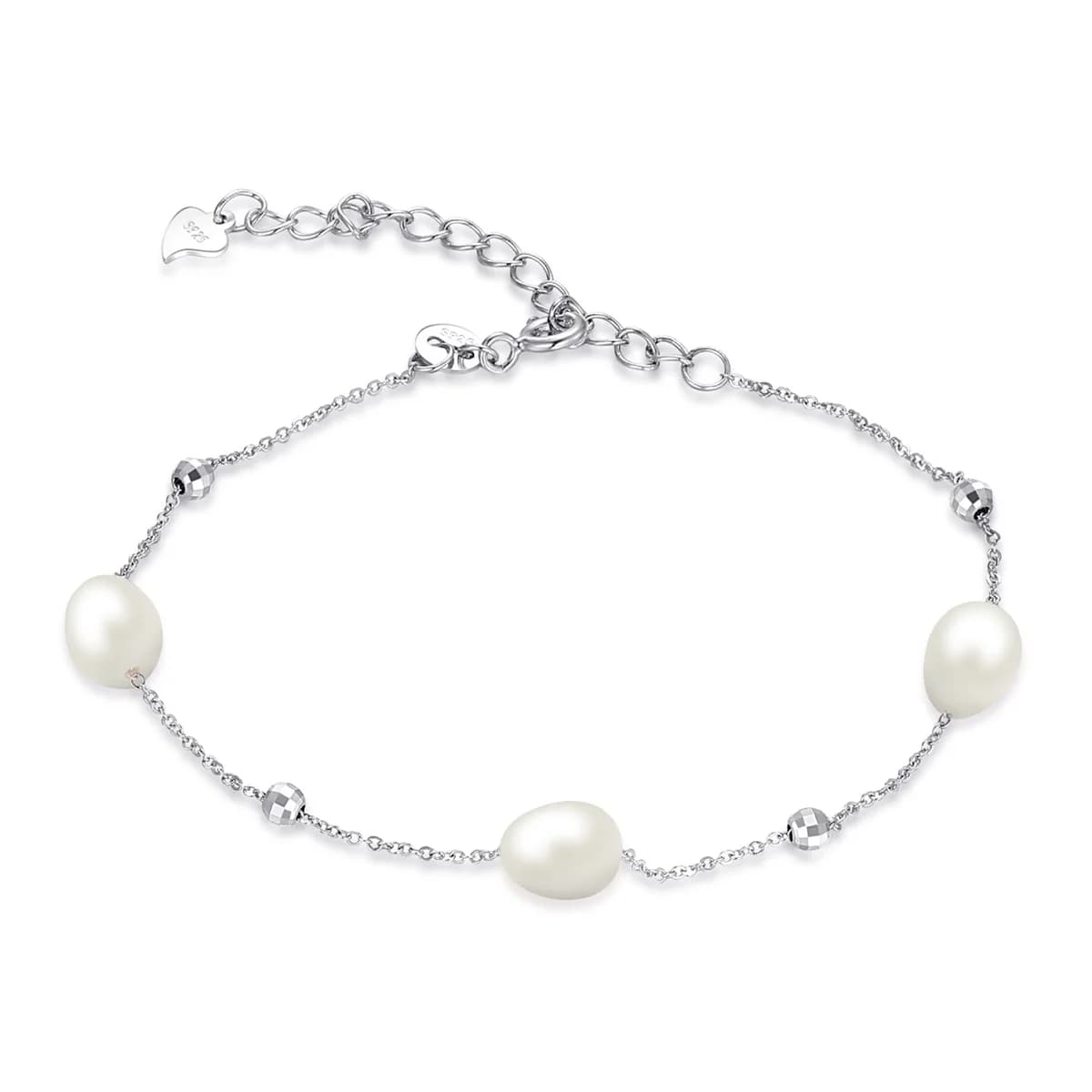
Delicate O-Link Chain Baroque Pearl Heart Tag Bracelet
S925 Sterling Silver, Rhodium Plated, Baroque Pearl
View product →FAQ
Frequently asked questions
Is a design change request the same as production approval?
No. A request asks for assessment. Keep its technical and commercial impact response, authorized decision, document release and implementation verification separate. State exactly which stage and quantities an approval permits.
Can a design change after CAD or sample approval?
A change can be proposed, but feasibility and consequences depend on the actual scope and work already performed. Ask which files, components, samples, checks, quantities, cost and schedule need reassessment. Do not assume a fixed fee or turnaround.
Does a new render or an unanswered email authorize the change?
Not in this workflow. A render is a proposal until its identified scope is accepted by the authorized person. Acknowledgment of receipt and silence are not treated as permission to change production. Keep missing decisions visible.
What should happen to parts already purchased or made?
Identify their quantities and work state, then obtain an explicit disposition for the affected scope. Do not silently substitute, rework or mix versions. Resolve any commercial obligations through the applicable agreement and the responsible parties.
How do buyers know an approved change has been implemented?
Confirm the released files and recipients, then obtain the agreed sample or verification evidence for the affected units and features. Check dependent records and unresolved conditions. A new filename or approval message alone is not evidence of physical implementation.
Expert review
Zalson Jewelry Product Development & Quality Team
Technical editorial team
Editorial review covers buyer-side component specification, sample interfaces and design-change records. This is procurement guidance, not a verified product specification, laboratory result, engineering approval or interpretation of contractual rights.
Zalson Jewelry is operated by Guangzhou Zalson Jewelry Co., Ltd., established in Guangzhou in 2017. Content is reviewed by the team rather than attributed to an individual spokesperson.
Sources and further reading
- 1NASA: Configuration Management — general engineering record-control principles, not jewelry requirements ↗
- 2International Organization for Standardization: ISO 10007:2017 — public configuration-management guidance scope only ↗
- 3925 Pro: Custom Silver Jewelry Sample Revision Policy — manufacturer perspective, not Zalson terms ↗
- 4BJM Jewelry: Jewelry CAD and Sample Review Before Production — further manufacturer perspective ↗
- 5Royi Sal: OEM/ODM FAQs — changes after CAD approval and production start ↗
- 6DinHuey Jewelry: Jewelry Sample Approval Checklist — reference and decision boundaries ↗
- 7Stuller: September 18, 2026: Customization Services Update — current industry context ↗
Reviewing a development change?