Pair Matching Procurement
Jewelry Pair Matching Specifications for Brand Buyers: A Buyer’s Worksheet
Two earrings can each satisfy a drawing and still make the wrong pair. A directional motif may face outward on one side and inward on the other, or two individually acceptable stones may create an unintended contrast when assembled together. For a jewelry brand, the buying question is therefore more specific than whether both pieces passed inspection. The team needs a record of which articles belong together, how they should relate and what happens if one is replaced. This worksheet helps founders, buyers and product developers define that relationship before sampling. It connects the complete pair to its individual parts, physical appearance references, quantity matrix and packing instructions without inventing a universal matching tolerance.
TL;DRThe short answer
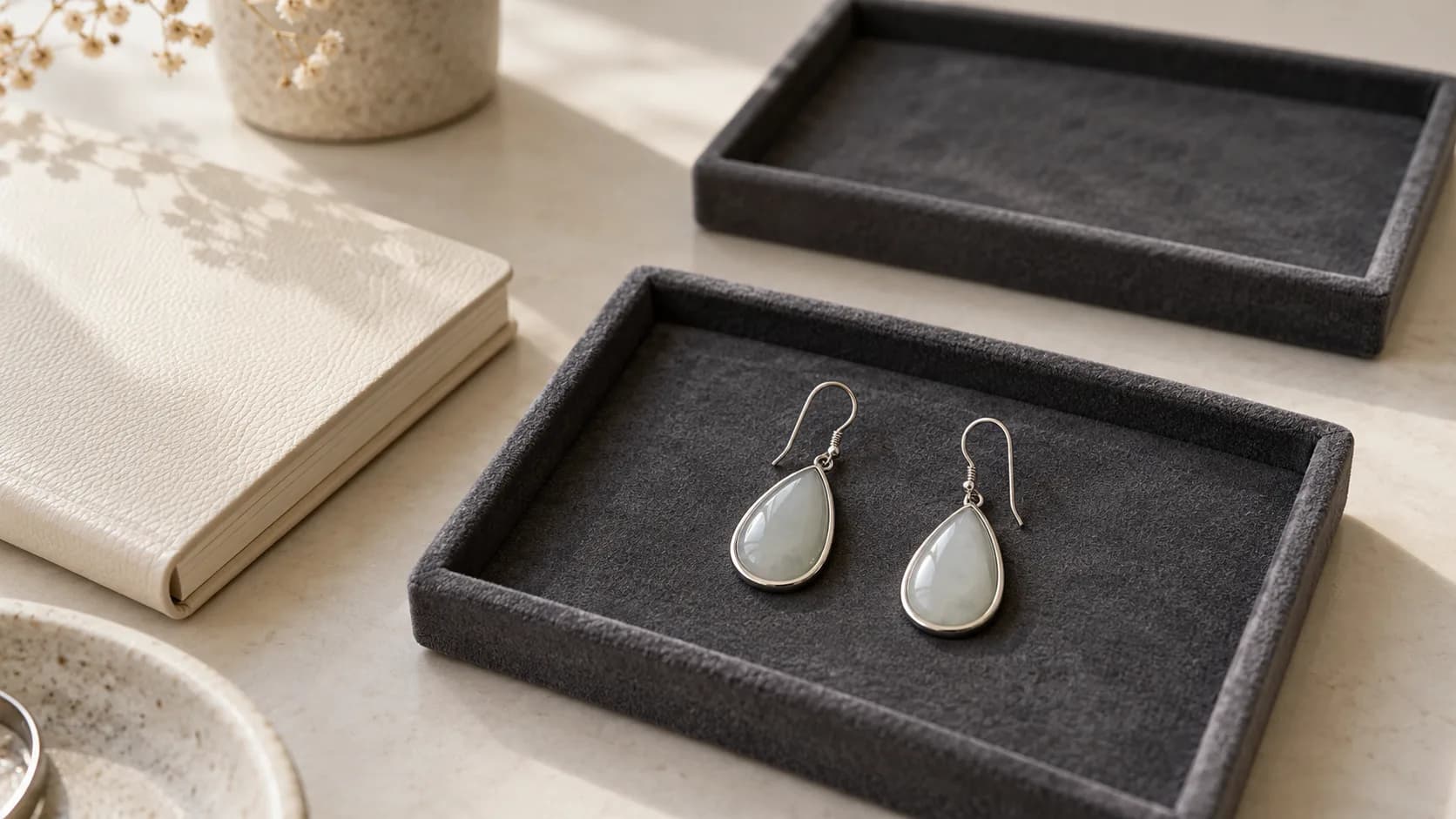
Identify the selling pair and each component. Choose identical, mirrored or intentionally asymmetric relationships, then approve orientation, appearance and assembly against a named physical reference. Record project-specific differences, pair quantities, replacement rules and packing so individual acceptance cannot silently authorize a different pair.
Direct answer
What should jewelry pair matching specifications include?
Record the pair SKU, individual component identities, revision and selling unit. Define identical, mirrored or intentional differences with front, back and wearing-direction views. Link dimensions, confirmed weight records, stone appearance and finish to agreed observation conditions and physical samples. Approve the complete pair separately from its pieces, then specify exceptions, single-item replacement, quantities and packing controls for production and reorders.
Decision summary
Key takeaways
- A pair needs an identity beyond two individual pass results.
- Identical and mirrored are different drawing instructions.
- Natural variation needs agreed references and boundaries.
- A replacement changes the relationship being approved.
- Use the same selling unit in the PO, packing and receiving records.
Identify the selling pair and its two component records
Begin with one pair SKU and two component references. The references can be left and right where the design is directional, or another unambiguous identifier where the items are interchangeable. State whether backs, detachable drops and spare findings belong to the supplied unit. The pair count should mean the same thing on the quote, purchase order and packing instruction. A request for additional singles needs its own quantity line; it should not be hidden in the number of pairs.
Connect each component to the released drawing, material schedule and sample revision. If a factory sorts loose pieces into pairs after finishing, state who maintains the relationship between the sorting result and the final pack. A tray containing individually acceptable earrings is only an intermediate state. BJM and Jinnuo both identify pair-specific checks in their manufacturing guidance; this worksheet turns that general need into a buyer-owned identity and approval record, without adopting either supplier’s capabilities or acceptance policies.
Evidence: BJM Jewelry; Jinnuo Jewelry
Choose identical, mirrored or intentionally asymmetric construction
Mark the intended relationship on a front view before approving CAD. An identical pair repeats the same design; a mirrored pair reverses selected directional features. Intentional asymmetry permits specific differences, such as different decorative arrangements, while retaining agreed relationships elsewhere. List what changes and what repeats. The catalog’s Asymmetrical Starburst Baguette Round Diamond Studs can start a discussion of this choice; its name does not define a left/right drawing, dimensions or a matching result for your project.
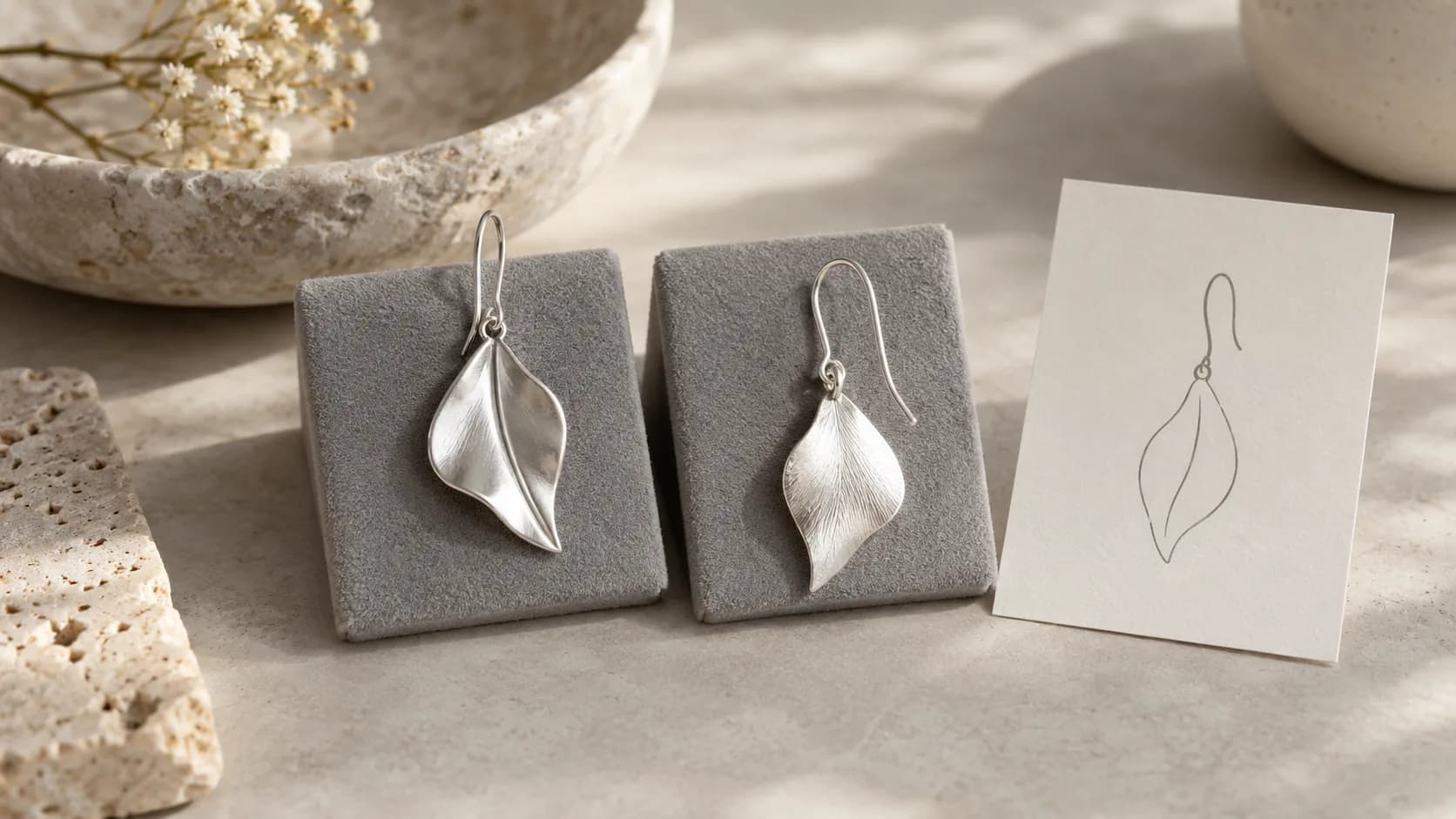
Add back and side views with an arrow for the wearing direction. Explain whether left and right mean the wearer’s perspective or the viewer’s perspective. Show any inward-facing tips, outward curves, stone orientation and connector positions on both pieces. Tonglin’s October 2026 earring guide distinguishes mirrored designs from duplicate copies. Keep its observation as a reason to make the drawing explicit, rather than copying another manufacturer’s geometry or assuming that every asymmetric item should be mirrored.
Evidence: Tonglin Jewelry
Link dimensions, components and confirmed weight without merging them
Carry the existing dimension references into the pair record. Name the overall outline, drop length, focal positions and connections that need relational review, then point to the drawing that defines their measurement. Record actual findings and assembly versions separately. The earring post and back guide remains the owner of that interface specification. A correct visual pair does not establish closure compatibility, just as a correct closure does not establish that the two decorative fronts belong together.
If weight is relevant, link the confirmed weighed-object record and its single or pair unit. Do not calculate an allowable difference from a product photograph, impose an unagreed percentage, or use equal mass as a substitute for visual review. Two forms can weigh the same while presenting different outlines. Conversely, an intentionally asymmetric design may use different individual values. Identify which attributes must agree, which may differ and who resolves a conflict before the pair becomes an approved reference.
Approve natural-stone coordination against the intended relationship
Define the appearance relationship using the actual stone route and mounted sample. A closely coordinated face-up appearance and an intentionally contrasting two-color pair are different buying requirements. State the viewing direction, background, light source and sample condition, and identify the physical reference being compared. Gandhara’s pair listings illustrate that sellers offer selected stones together, sometimes with a combined weight; the listing descriptions are supplier-specific and do not establish an independent matching grade or a finished Zalson pair.
Agree representative and boundary examples when natural variation matters. Record which visible differences are accepted, held for review or excluded, rather than treating every natural difference as either a defect or automatically acceptable. GIA describes controlled comparison for D-to-Z diamond color grading; that is a diamond-specific scope, not a colored-stone pair tolerance. A change in lighting can change appearance. Photographs taken under different conditions should help identify the question for physical review rather than decide a disputed color match by themselves.
Evidence: Gandhara Gems; GIA
Compare the whole pair under repeatable observation conditions
Place both pieces together in the intended orientation, then inspect each separately from the agreed views. Distinguish surface color from texture, grain direction and the reflections created by geometry. A mirrored polished curve can reflect a different part of the room even if the finish is consistent. Rotate or reposition the samples as agreed before deciding whether the difference belongs to the surface or the observation setup. Preserve that setup in the review record so another person can repeat it.
Use the surface finish guide for region boundaries, texture direction and finish masters. In the pair worksheet, record the relationship between those approved regions across both pieces. Note whether the samples are clean, unpacked, newly finished or taken from retained stock; an altered reference should not quietly replace the approved one. If a dispute remains, identify the affected pair and retain the competing observations. Hold the decision for the named reviewer instead of changing the master description to fit whichever photograph arrived last.
Complete a blank pair identity and approval worksheet
Use one worksheet for the pair relationship and link the individual specifications underneath it. Leave an unknown result open with an owner and due date; a blank field should not be interpreted as permission to select any available part. The table deliberately supplies no numerical limit. A proposed acceptance range or visual boundary becomes usable only after the buyer and supplier agree its reference, method and scope for the actual design and variants.
Record individual approval and pair approval as separate statuses. Both individual pieces may pass their own checks while their combination remains on hold. For example, the reviewer may accept each stone individually but ask to re-sort the combination. Identify the new pairing and review it again without erasing the previous result. Retain the physical pair, its photographs and the final disposition together; the sample approval checklist handles the wider production-release decision and responsibility.
| Field | Buyer definition | Supplier / approval record |
|---|---|---|
| Identity | Pair SKU ___ / revision ___ | Individual IDs ___ / selling unit ___ |
| Relationship | Identical / mirrored / asymmetric ___ | Drawing views ___ / wearing direction ___ |
| Attributes | Dimension / component / weight links ___ | Stone and finish references ___ |
| Observation | Light / background / orientation ___ | Sample condition ___ / actual date ___ |
| Decision | Individual status ___ / pair status ___ | Boundary examples ___ / reviewer ___ |
| Replacement | Single-item route ___ | Partner or pair recheck ___ |
| Pack-out | Pairs ___ / extra singles ___ | Pair segregation ___ / box revision ___ |
Control mixed pairs, replacement singles and repeat orders
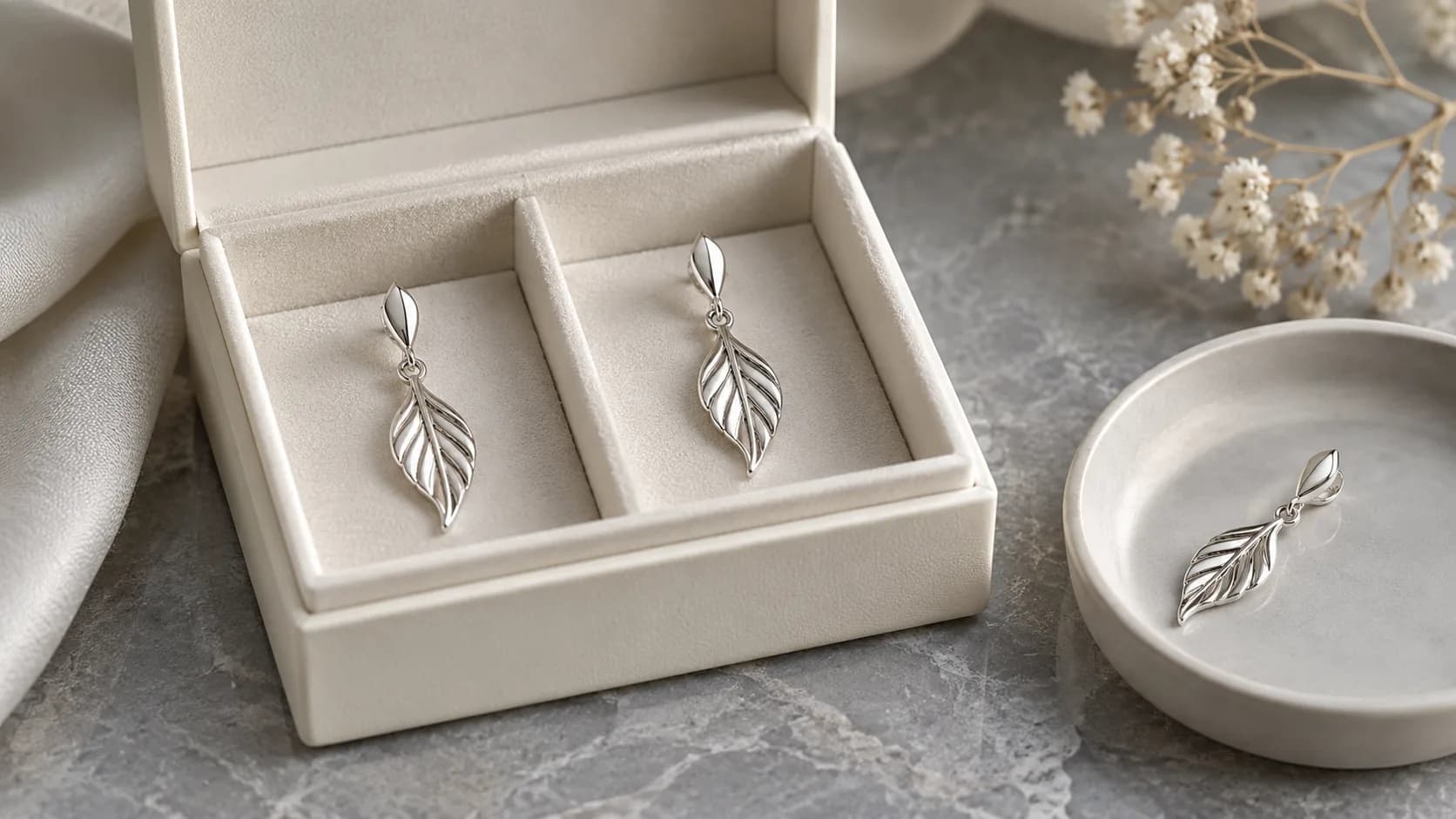
Keep approved pairs separated during storage and pack-out, using a practical identifier that follows the pair through the agreed process. If pieces from different finishing or stone lots are proposed together, compare the assembled pair again. Do not let shared SKU text silently authorize arbitrary mixing. The identifier is a traceability aid, not a claim that the items have undergone a particular laboratory test or that every future production lot will match without review.
For a lost or damaged single, define whether the surviving partner must be returned or supplied as an identified physical reference. Ask whether a satisfactory replacement is feasible before promising the customer an exact match. If the partner is unavailable, record the limits of the comparison and the proposed resolution. Replacement of both pieces is a different commercial action from supplying one single; quantity, price, timing and approval responsibility need explicit acknowledgment before work starts.
Release the pair matrix and resolve changes before packing
Prepare a matrix connecting style, finish, size or drop variant, pair SKU, component references and pair quantity. List extra singles separately and reconcile the total pieces needed for production with the pairs expected at receiving. Include the relevant boundary variants in the agreed sample coverage. A small identical stud and a long directional drop may need different relationship checks, even when both appear in the same collection and share the same commercial supplier.
Release the pair record with its sample and packaging versions. A changed stone, connector, finish or component drawing may require another pair review even if the commercial SKU remains unchanged. Use the design change request to identify affected stock, open orders and replacement commitments. Confirm the packing orientation and production schedule after the revision is accepted. Send the actual reference and open questions through request a quote, keeping the decision tied to the supplied evidence rather than an assumed standard match.
- Name pair and individual references.
- Mark identical, mirrored or intentional differences.
- Link dimensions, components and confirmed weight.
- Agree stone and surface observation conditions.
- Record boundaries, holds and dispute ownership.
- Control singles, replacements, quantities and pack-out.
1. Identify
Name the pair, parts and selling unit.
2. Define
Draw the intended relationship and orientation.
3. Compare
Review physical samples under agreed conditions.
4. Decide
Record individual and pair approval separately.
5. Pack
Retain pairing through the quantity and packing matrix.
6. Recheck
Review replacements and changed versions.
| Scenario | Risk to clarify | Decision record |
|---|---|---|
| Identical studs | Individually acceptable but visually different | Complete pair beside named reference |
| Mirrored drops | Two copies supplied instead of left/right | Both orientation views and component IDs |
| Natural-stone pair | Accepted variation confused with arbitrary mixing | Physical boundaries and pair-level decision |
| Replacement single | New piece judged without surviving partner | Partner reference, feasibility and new approval |
Catalog references
Related products
These real catalog products are visual and construction references for specification discussions. Their published product data is unchanged; they are not presented as the exact product used in this guide.
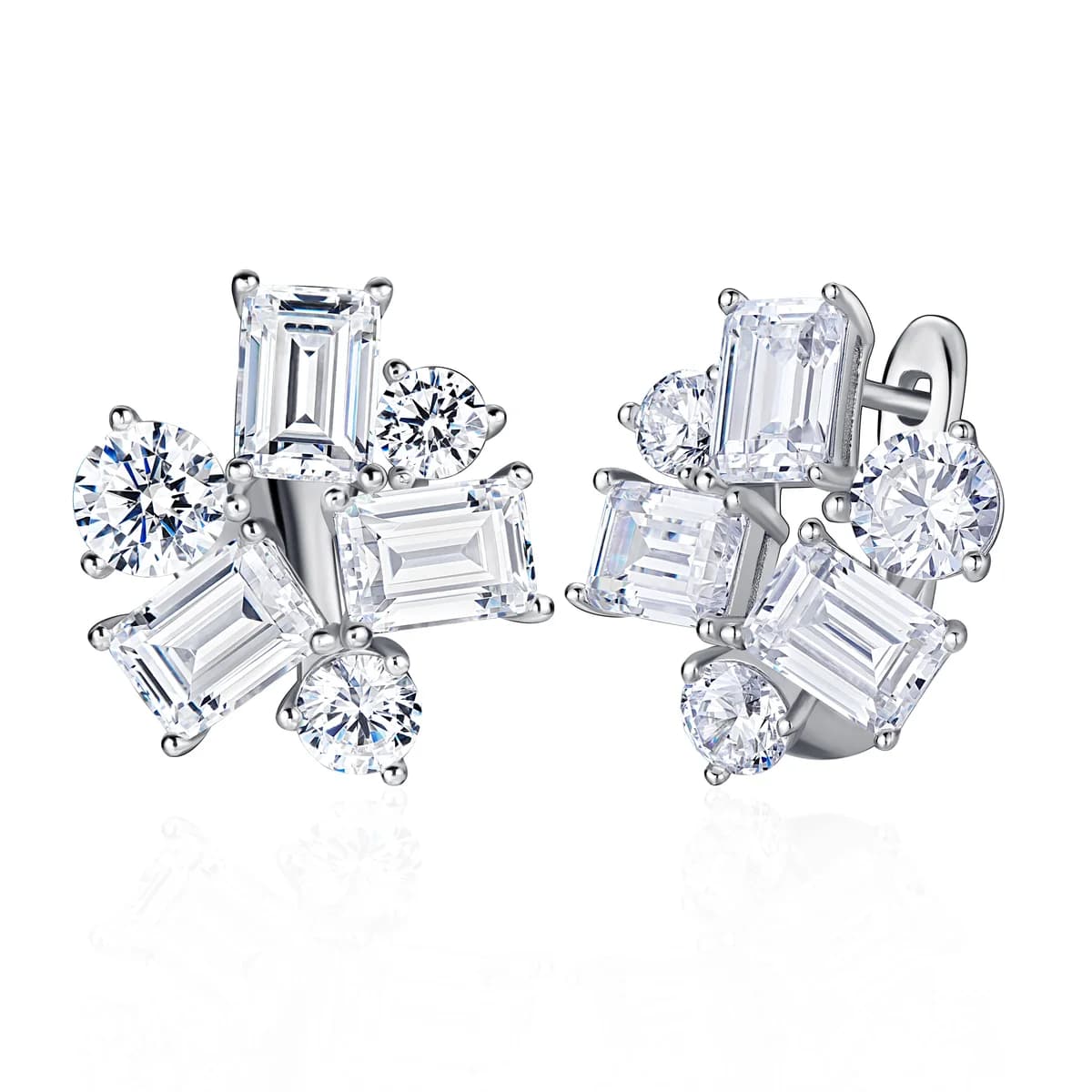
Asymmetrical Starburst Baguette Round Diamond Studs
S925 Sterling Silver, Rhodium Plated, Emerald Cut Baguette CZ, Round Brilliant CZ
View product →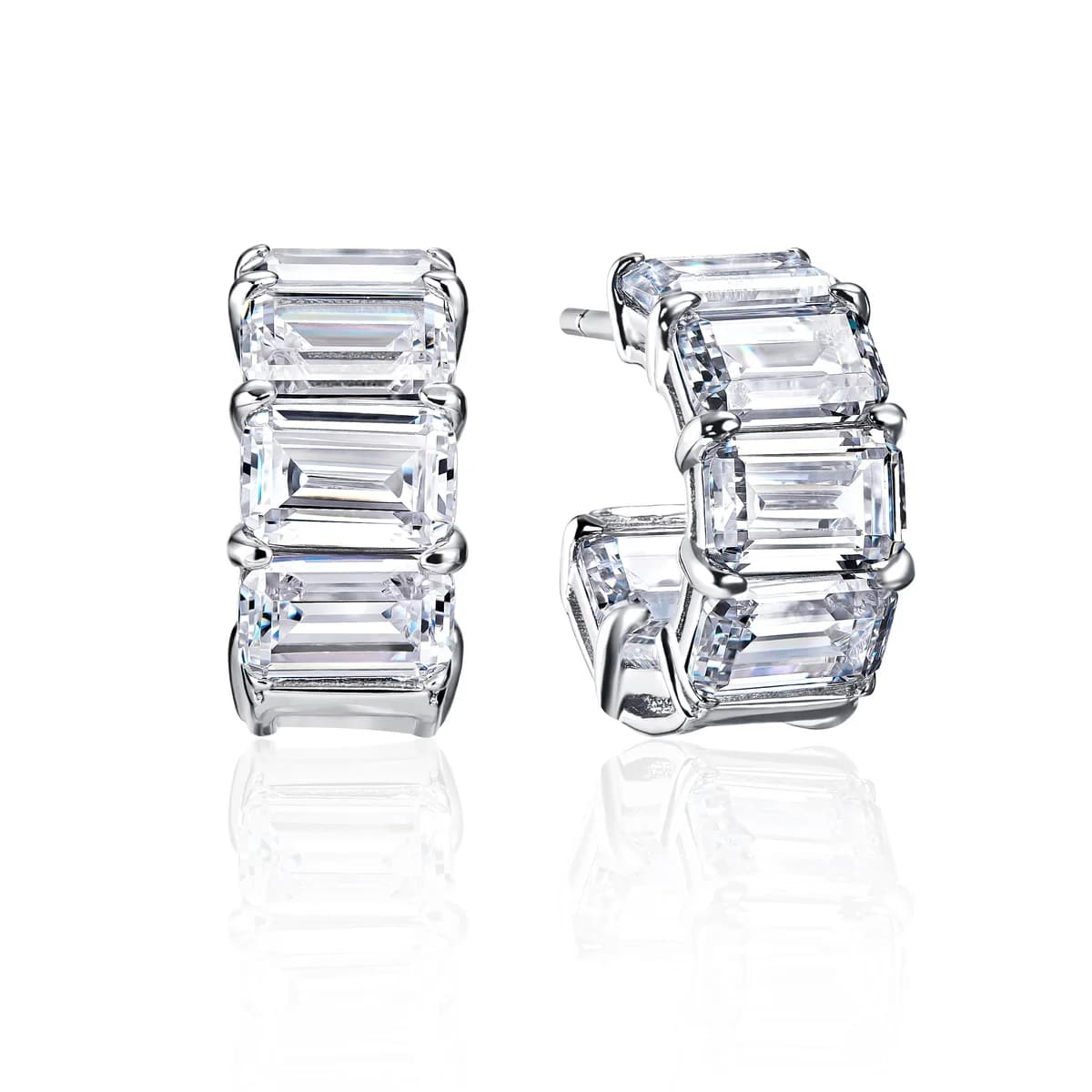
Half-C Open Wide Hoop 3 Baguette Emerald Cut Earrings
S925 Sterling Silver, Rhodium Plated, Baguette Emerald Cut CZ, 6-Prong Setting
View product →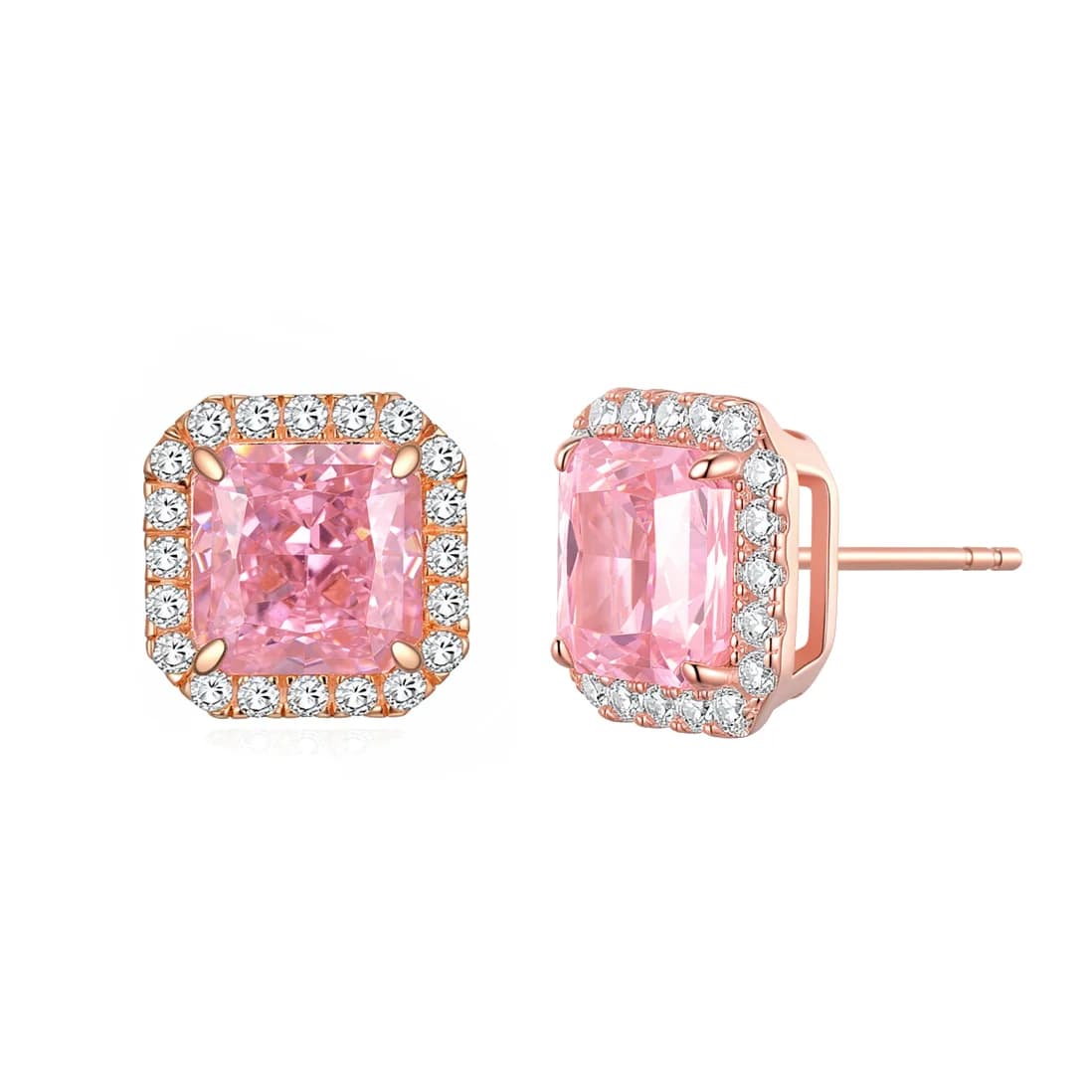
Cushion Sakura Pink Halo Rose Gold 4-Prong Studs
S925 Sterling Silver, Full Thick 18K Rose Gold Plating, Sakura Pink CZ, Round Pave CZ Halo
View product →FAQ
Frequently asked questions
Must paired earrings always be identical?
No. Define whether the design repeats, mirrors selected features or uses intentional differences. Show both pieces and name the features that must remain coordinated.
Does individual acceptance approve the pair?
No. Record the individual checks and a separate complete-pair decision. Two acceptable singles can still form an unintended combination.
What color or weight difference is acceptable?
Agree project-specific criteria, references and methods for the actual materials and design. This worksheet supplies no universal color, weight or symmetry tolerance.
Can one earring be replaced from a photograph?
A photograph can support an enquiry, but the surviving physical partner provides a more direct comparison. Record the available evidence, feasibility and approved replacement route before committing to a match.
What belongs on the pair quantity matrix?
Include style, pair SKU, component IDs, revision, finish or size variants, pair quantities, extra singles and packing references. Use the same selling unit on the quote and purchase order.
Expert review
Zalson Jewelry Product Development & Quality Team
Technical editorial team
Buyer-side specification and reference-control editorial scope. No actual paired-item inspection, care trial, professional translation certification or legal assessment is reported.
Zalson Jewelry is operated by Guangzhou Zalson Jewelry Co., Ltd., established in Guangzhou in 2017. Content is reviewed by the team rather than attributed to an individual spokesperson.
Sources and further reading
- 1BJM Jewelry: Quality control — product-specific pair checks ↗
- 2Jinnuo Jewelry: Custom earrings — pair balance, orientation and packing ↗
- 3Tonglin Jewelry: Earring manufacturing specifications — pair matching and left/right views ↗
- 4Gandhara Gems: Gem pair listings — selected pairs and combined-weight examples ↗
- 5GIA: D-to-Z diamond color — controlled comparison scope ↗
Approve the relationship