Weight & Quote Procurement
Jewelry Weight Specifications for Brand Buyers: A Buyer’s Worksheet
A weight on a jewelry quotation can describe an early design target, a metal estimate from CAD or the measured finished piece with its stones and findings. Those values answer different buying questions. A brand comparing them without their definitions may challenge a correct sample or approve a quote based on a different article altogether. This guide helps founders, buyers and product developers write a weight requirement that survives quotation, sampling and receiving inspection. It separates the object being weighed from the commercial basis of the price, then connects both to the actual SKU and sample version. The blank worksheet leaves values for the project team to confirm, so an attractive product photograph never becomes an invented weight or a hidden acceptance rule.

TL;DRThe short answer
Name the exact article, unit and assembly state before writing a weight. Separate targets and CAD estimates from measured results, and distinguish total finished mass from metal-only information. Agree the balance, zero/tare method, conditions and project-specific range; connect the result to a SKU, sample and quotation revision. Reconcile a disagreement before changing the acceptance or price basis.
Direct answer
What should jewelry weight specifications include?
Identify the SKU, revision and selling unit; define whether the value is a target, estimate or measurement and which stones, findings and detachable parts are included. Record the unit, balance, zero/tare procedure, conditions, sample coverage and agreed range. Keep metal-only information separate from total finished weight, and state how the approved weight definition relates to the quotation and any later adjustment.
Decision summary
Key takeaways
- A target, CAD estimate and measured result need different labels.
- Taring a dish removes the dish, not the stones or findings in the article.
- Specify single, pair or set and list every included component.
- Balance digits are not a project acceptance range.
- Keep dimensional acceptance and commercial adjustment rules explicit.
Define the weight before discussing a number
Start each weight field with three labels: what object it describes, what stage it represents and what unit is used. A target expresses the buyer’s desired direction. An estimate expresses a proposal and its assumptions. A measurement describes an identified physical article in a recorded state. Give each its own column so a sample result cannot silently replace a design target, or a preliminary estimate become a receiving criterion without agreement. 925 Pro’s artwork guide specifically distinguishes indicative and fixed targets; its commercial terms remain supplier-specific.
Use a named drawing and sample revision whenever a value is carried forward. If CAD software supplies a metal estimate, record the selected material or density assumption and which modeled components it covers. A render does not weigh a finished assembly. Ask the supplier to reconcile the estimate with the actual sample after casting, assembly and finishing, without importing a standard percentage reduction. The CAD approval guide handles model review; this article controls the identity and meaning of the resulting weight fields.
Evidence: 925 Pro
Separate metal-only information from total assembled weight
A stone-set pendant placed on a balance produces a value for everything on the pan after any container tare. That can include the mounting, stones, bail and other attached parts. It does not isolate the metal. Keep any metal-only declaration or estimate in a separate field, identifying how it was obtained and which alloy and components it covers. Do not subtract guessed gemstone weights, derive precious-metal content from appearance, or treat an item’s total mass as a purity determination.
The word ‘net’ needs a nearby definition. Instrument net weight after taring a dish can still be the total assembled jewelry weight. A packing document may use net and gross for another boundary, such as goods versus outer packaging. The shipping documents guide retains that logistics scope. For this worksheet, name the excluded container, tags and packing explicitly and retain the article’s included parts. If a seller supplies metal and stone information separately, preserve its provenance rather than manufacturing a missing component breakdown from a photograph.
Choose single, pair or set and freeze the assembly state
State whether a reading describes one earring, both earrings with their backs, a pendant without a chain, a complete necklace or an entire coordinated set. List removable components individually. A buyer can request both individual earring readings and a complete-pair reading when balance matters, but must not compare one against a pair requirement. Keep the commercial selling unit visible on the same row so the sample, quote and quantity count refer to the same goods.
For an adjustable necklace, identify the supplied extender and charms even when the fastening position changes only its shape. For a ring, state its size and included stones. For a set, identify the component count and whether spare backs or other extras are inside the weight boundary. Use the earring component guide for the matched findings and the necklace length worksheet for dimensions. Weight is another controlled attribute of that assembly; a heavier result alone establishes neither better construction nor a promised wearing outcome.

Agree the balance, zero and tare procedure
Identify the balance and the suitability review behind its use, including capacity, displayed increment and relevant service or calibration status. More displayed digits do not by themselves establish accuracy or the ability to decide a very narrow range. Have a competent measurement provider confirm the setup if the requested acceptance boundary is close to the instrument’s capability. Product tolerance, instrument performance and commercial weighing requirements are separate questions; do not copy one instrument specification into a jewelry acceptance rule.
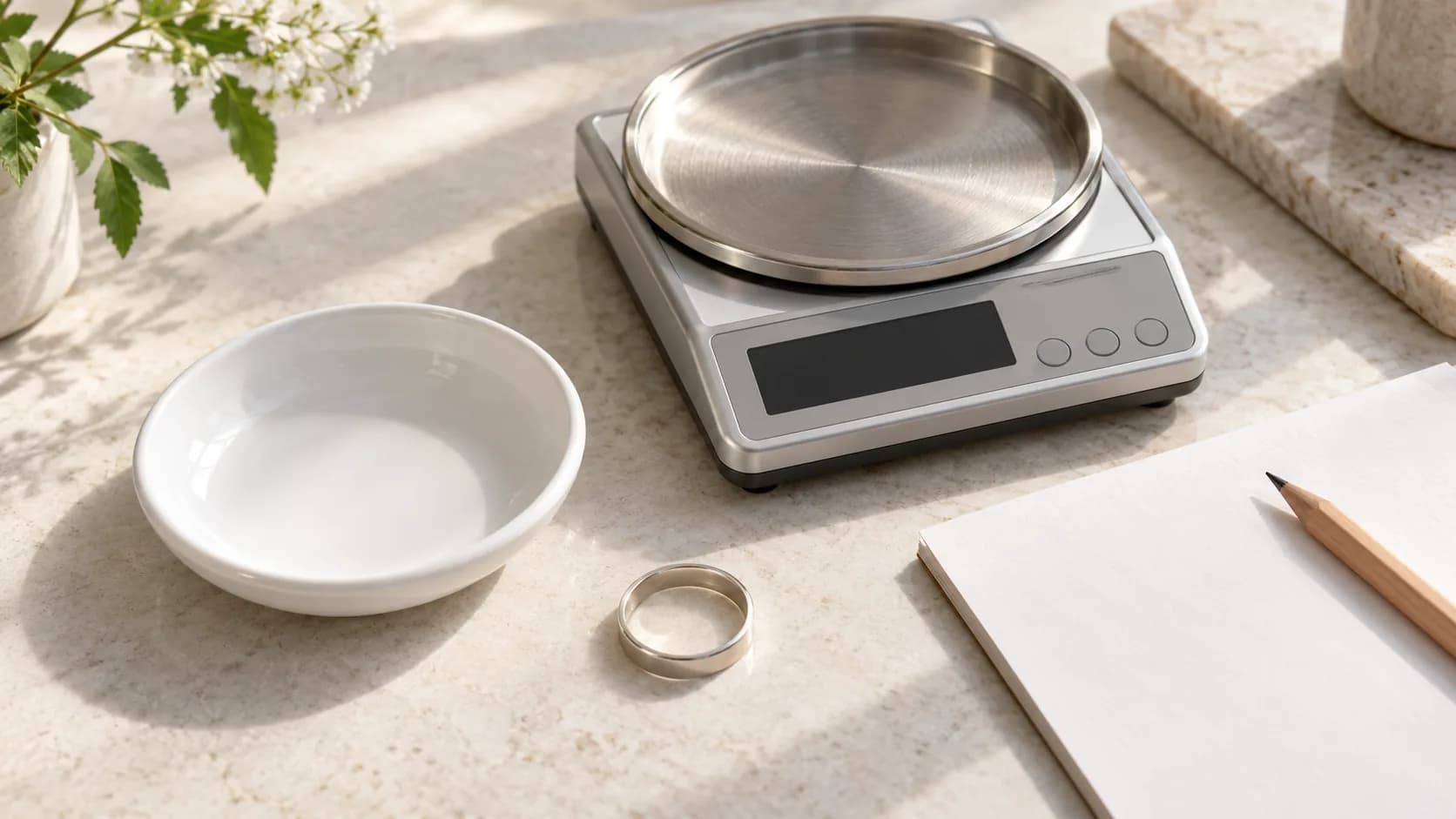
Mettler Toledo’s accessible JET user manual distinguishes zeroing an unloaded balance from taring a container. For the actual instrument, follow its instructions on location, leveling, preparation and stable readings; record the unit and container used. The public 2026 NIST Handbook 44 introduction and Scales section concern weighing devices and their applicable jurisdictional use. They do not provide a universal manufacturing-weight tolerance for jewelry or establish that a Zalson balance meets commercial rules. Confirm the applicable device requirements separately where weight determines a transaction.
Evidence: Mettler Toledo; NIST
Record conditions and keep individual readings traceable
Use the agreed finished condition: clean and suitably dry, with loose packing removed and the listed components present. Document any protective film or temporary attachment that stays on the article. Place the item so all its parts are supported by the pan or the tared container, without touching surrounding surfaces. Control drafts and vibration according to the instrument instructions, allow the reading to settle, and retain the actual displayed result with unit, date, operator and sample ID.
Where repeated readings form part of the agreed method, retain them as individual observations and record the reason for a repeat. Do not select only the most favorable value. Distinguish a repeated reading of one article from measurements of several articles; they answer different questions. The sample approval checklist records the decision, while the quality control plan establishes inspection coverage and failure actions. A batch average should not conceal an individual item outside an agreed individual range, and a single sample cannot demonstrate the distribution of a whole production lot.
Evidence: Mettler Toledo
Connect weight requirements to the SKU matrix and boundary samples
Build a separate row where size, chain length, stone schedule or supplied components change the weighed article. State planned quantity and the selling unit beside the target or proposed range. Review the smallest and largest relevant variants and any intermediate configuration that changes construction. A ring size run may change the metal volume; a longer chain can change component count. The supplier should propose and confirm values for those actual variants rather than assigning one sample’s weight to the entire assortment.
Keep targets, measured sample values and accepted production ranges separate in the matrix. If the buyer has only a desired feel or budget, flag the weight as a development question instead of inventing a narrow limit. The ring size and MOQ guides handle their own decisions. SSJew’s manufacturing brief links weight to the rest of the approved specification, but its examples supply no default for this project. Reconcile every accepted row with the final sample version, including any changed finish, setting or detachable part.
| Style / SKU / revision | Weighed article and unit | Target / sample / accepted range | Quantity and review |
|---|---|---|---|
| Smallest variant ___ | Size ___ / included parts ___ / unit ___ | Target ___ / measured ___ / range ___ | Pieces or sets ___ / boundary sample ___ |
| Intermediate variant ___ | Construction difference ___ / unit ___ | Target ___ / measured ___ / range ___ | Quantity ___ / review reason ___ |
| Largest variant ___ | Size or length ___ / included parts ___ | Target ___ / measured ___ / range ___ | Quantity ___ / boundary sample ___ |
| Paired or set SKU ___ | Component count ___ / backs and extras ___ | Individual or complete-unit criteria ___ | Pairs or sets ___ / reconciliation ___ |
Evidence: SSJew
State how the weight relates to the quoted price
Ask whether the offer is a fixed price for the specified finished piece, a price linked to an agreed weight basis, or an indicative estimate awaiting sample confirmation. Identify which mass definition is used, the material-price reference and date where applicable, the included labor and stones, and how a changed result would be reviewed. A price divided by total assembled weight is not automatically a metal price per gram. Neither a lower sample weight nor a higher one creates an automatic credit or surcharge without an agreed commercial rule.
Hong Kong VITA’s quotation page separates metal, labor, stones, finish and other lines; Quality Jewelry & Apparel similarly distinguishes metal value from making. Their published rates and policies are not Zalson terms. Use these examples to request transparent assumptions, then preserve the acknowledged quotation revision. The RFQ checklist handles comparable commercial scope in detail. If a revised weight follows a design change, check whether the price, range and sampling decision are all still valid before accepting a revised purchase order.
Evidence: Hong Kong VITA; Quality Jewelry & Apparel
Use a blank weighing and acceptance worksheet
Attach this record to the specific sample and quotation. Complete a missing definition before debating its value. An empty field can remain supplier-proposed, but it needs an owner and a decision date. Keep the balance’s operating record and any metal-only declaration linked rather than blending them into one undocumented ‘net weight’ statement. The receiving team should be able to reproduce the setup and identify the same version without reconstructing the original chat.
When two measurements disagree, compare unit, selling unit, included parts, container tare, instrument status and article condition first. Repeat the agreed setup on the identified samples and retain both readings. Escalate unresolved results with a hold and next action. The scenario table shows which boundary changes the question; it supplies no standard values. Use the design change request when a correction to the object or specification affects other sizes, stock, components or commercial commitments.
| Field | Buyer definition | Supplier / approved record |
|---|---|---|
| Identity | Style ___ / SKU ___ / revision ___ | Sample ___ / actual date ___ / owner ___ |
| Meaning | Target / estimate / measurement ___ | Method or estimate assumptions ___ |
| Object | Single / pair / set ___ / included parts ___ | Stones, backs, chain, removable parts ___ |
| Weight boundary | Total assembled / metal-only information ___ | Container and packing excluded ___ / evidence ___ |
| Measurement | Unit ___ / balance ___ / conditions ___ | Zero ___ / tare ___ / stable readings ___ |
| Acceptance | Project range ___ / coverage ___ | Results ___ / recheck ___ / disposition ___ |
| Commercial | Fixed or weight-linked basis ___ | Quote revision ___ / adjustment agreement ___ |
Compare scenarios and release one controlled weight version
A stone-set pendant, an earring pair and a multi-size ring order ask different weight questions even when each quote uses grams. Resolve the object boundary and commercial interpretation together. For example, a buyer comparing earrings with and without backs should first request the same assembled unit, then evaluate any remaining difference. That correction can change the purchase decision without inventing a mass, metal-content claim or universal allowance.
Release the worksheet, SKU matrix, sample and quotation versions together. A later change in chain length, stone schedule, wall section, finish or findings can reopen weight, packaging and schedule decisions. Use the packaging checklist and production lead-time plan for those dependencies. Send the team your real catalog reference, proposed weight definition and open questions through request a quote. Keep the unconfirmed numbers open until the actual proposal and sample provide a reviewable basis.
- Label target, estimate and actual measurement separately.
- List included parts and the single/pair/set unit.
- Record balance, unit, zero, tare and conditions.
- Agree range, sample coverage and dispute rechecks.
- Link SKU quantities to sample and quotation revisions.
- Assess downstream effects before authorizing a weight-related change.
1. Define
Name the object, unit and type of weight field.
2. Propose
Resolve estimate assumptions and instrument method.
3. Measure
Record the actual sample in the agreed state.
4. Reconcile
Check variants, range and commercial interpretation.
5. Release
Approve one linked worksheet, matrix and quote.
6. Recheck
Trace discrepancies or changes before accepting a new version.
| Scenario | Clarify | Useful next decision |
|---|---|---|
| Stone-set pendant | Total article versus metal-only information | Obtain a separately identified component basis if needed |
| Earring pair | One or two pieces; backs and extras | Compare the same supplied unit and any individual criteria |
| Ring size run | Size-specific target and sample | Review relevant boundary variants |
| Weight-linked offer | Weight definition, price reference and adjustment rule | Approve the acknowledged commercial basis before release |
Catalog references
Related products
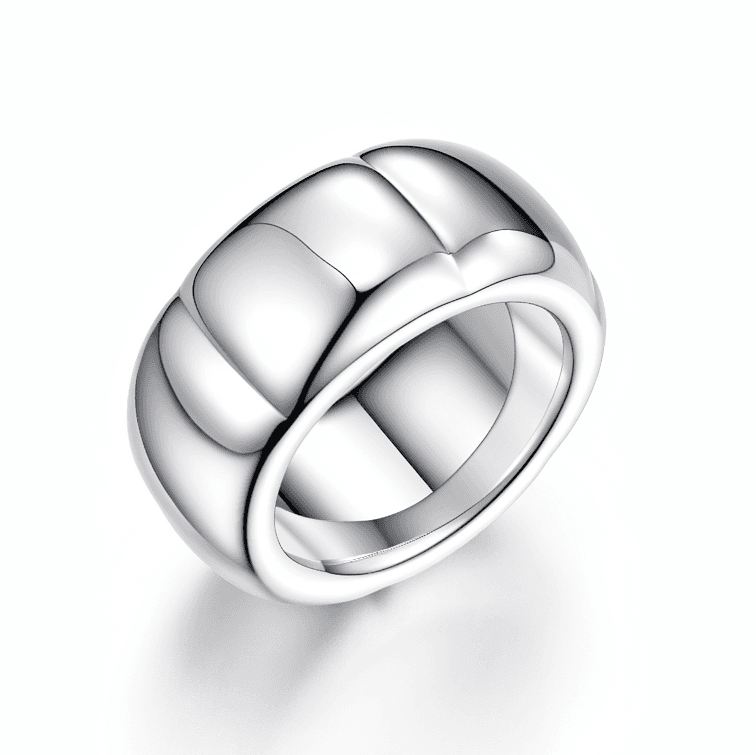
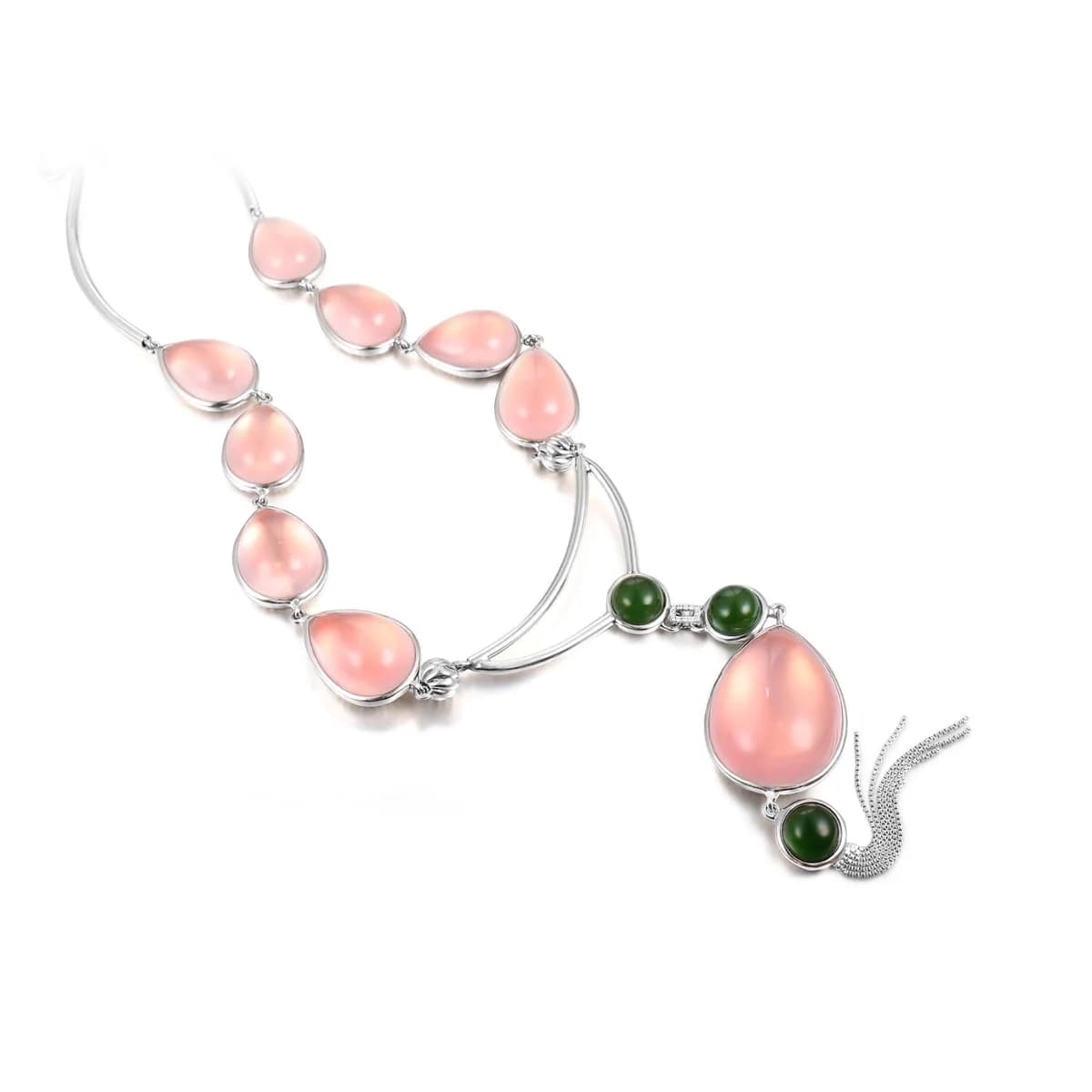
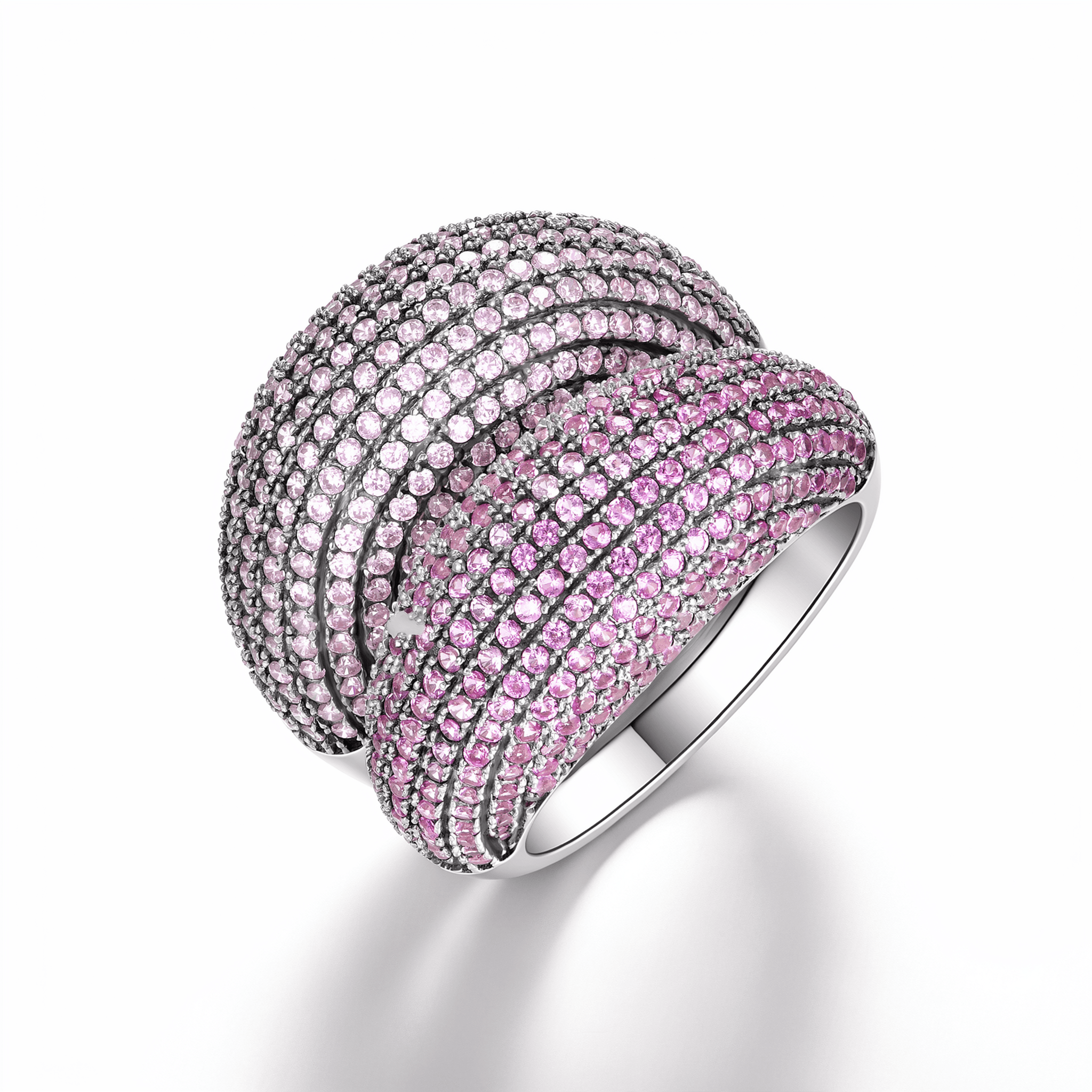
These real catalog products are visual and construction references for specification discussions. Their published product data is unchanged; they are not presented as the exact product used in this guide.
FAQ
Frequently asked questions
Does finished jewelry weight include gemstones?
It includes whatever is in the defined weighed article. A total assembled measurement can include stones, settings, findings and detachable parts. List them explicitly and keep metal-only information separate; taring the container does not remove the stones from the reading.
Is CAD weight the same as measured sample weight?
No. CAD provides an estimate based on modeled geometry and material assumptions. The actual finished sample reflects its physical construction and included components. Label both values and approve any acceptance range for the actual version instead of applying a universal reduction factor.
What does net jewelry weight mean?
Define the boundary beside the word. A balance may show a net result after container tare while still including the complete stone-set article. Logistics records can use net and gross differently. Name the excluded container and packing and the included jewelry components.
What tolerance should a brand use for jewelry weight?
Agree a project-specific range with the supplier, supported by the design, relevant variants, sample results and suitable measuring capability. Record the method and coverage. This worksheet supplies no universal tolerance or instrument specification that can substitute for that agreement.
Does a lower weight automatically change the invoice?
No. Check whether the quotation is fixed per specified piece, weight-linked or indicative, and review its agreed adjustment rule. Reconcile the article definition and measurement first, then address any confirmed specification or commercial discrepancy through the acknowledged order record.
Expert review
Zalson Jewelry Product Development & Quality Team
Technical editorial team
Buyer-side specification, sample-reference and release-record editorial review. The article reports no actual weighing, engraving trial, laboratory result, legal assessment or approved production sample.
Zalson Jewelry is operated by Guangzhou Zalson Jewelry Co., Ltd., established in Guangzhou in 2017. Content is reviewed by the team rather than attributed to an individual spokesperson.
Sources and further reading
- 1Mettler Toledo: JET Jewelry Balances User Manual — zeroing, taring and weighing conditions ↗
- 2NIST: Handbook 44, 2026 — Scales; device requirements, not jewelry tolerances ↗
- 3925 Pro: CAD and Artwork File Requirements — indicative versus fixed weight targets ↗
- 4SSJew: Communicating Jewelry Design Requirements — linked production inputs ↗
- 5Hong Kong VITA: How We Quote — supplier-specific commercial line items ↗
- 6Quality Jewelry & Apparel: Custom Jewelry — metal and making as distinct quote inputs ↗
Define the weighed article